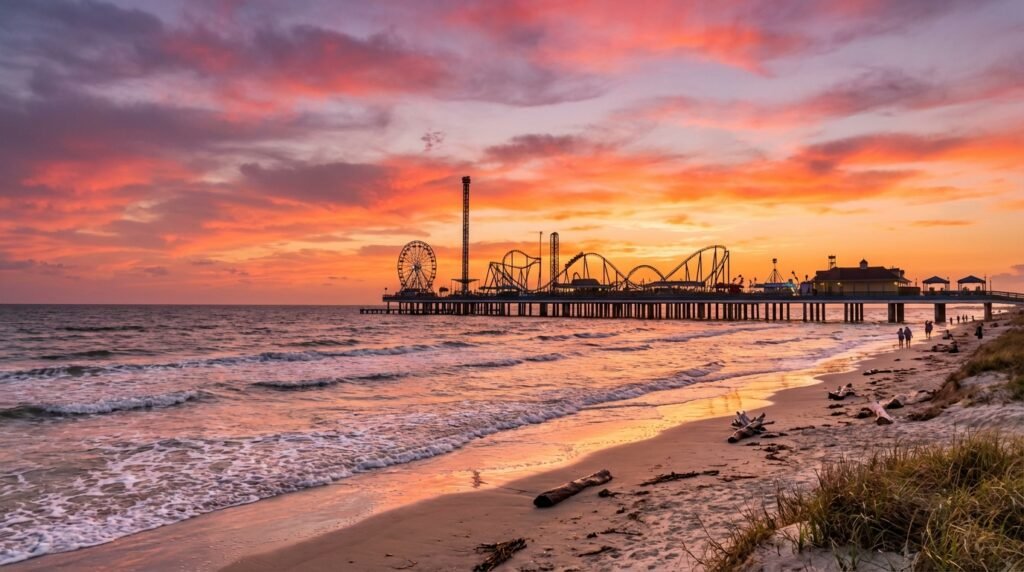
TEXAS TRAVEL GUIDE
Overview
Texas stands as America’s boldest destination, where vast desert landscapes meet Gulf Coast beaches, vibrant cities pulse with live music and world-class dining, and wide-open spaces stretch as far as the eye can see. From the rugged canyons of Big Bend National Park to the lively streets of Austin, the historic missions of San Antonio, and the cosmopolitan energy of Houston and Dallas, Texas delivers experiences as big and diverse as the state itself.
We absolutely love traveling to Texas. The combination of incredible food, friendly locals, rich history, and stunning natural landscapes makes exploring the Lone Star State an unforgettable adventure. Whether you’re planning your first Texas vacation or returning for another road trip, this comprehensive Texas travel guide covers everything you need to know for an amazing trip in 2026.
Austin serves as the perfect launching point for Hill Country exploration—it’s ideal for experiencing live music, outdoor activities, and vibrant food scenes before venturing into the surrounding countryside. San Antonio offers deep historical roots with the Alamo and River Walk, while Houston provides world-class museums and NASA’s Space Center. Dallas-Fort Worth combines cosmopolitan arts with authentic Western heritage at the Fort Worth Stockyards.
From the barbecue trails of Central Texas to the white sand beaches of South Padre Island, the stunning sunsets over Palo Duro Canyon, and the quirky art scene of Marfa, Texas is a year-round destination that promises unforgettable road trips, mouthwatering cuisine, and landscapes that will leave you speechless. Whether you’re seeking thrilling outdoor adventures, planning a family vacation, exploring historic towns, or simply want to experience authentic Texan hospitality, the Lone Star State delivers beyond imagination.
Bookmark this Texas travel guide and keep checking back for more of our best Texas travel tips and hidden gems!
State Snapshot
Safety
Texas is generally very safe for travelers, with welcoming communities and vibrant tourist areas across the state. Major cities like Austin, San Antonio, Houston, and Dallas have well-established tourist zones with low crime rates. Use standard urban precautions: stay aware of your surroundings, avoid walking alone late at night in unfamiliar neighborhoods, and keep valuables out of sight.
Heat is the primary safety concern in Texas. Summer temperatures regularly exceed 100°F (38°C), especially in West Texas and the desert regions. Always carry plenty of water when hiking or exploring outdoor attractions, wear sunscreen and a hat, and avoid strenuous activity during peak afternoon heat. If you’re visiting Big Bend National Park or Palo Duro Canyon, start hikes early in the morning.
Border areas near Mexico are generally safe in tourist zones, though you should check current travel advisories before visiting border cities. Most Texas travel destinations sit hundreds of miles from the border. Texans are famously friendly and hospitable, and you’ll find locals eager to share restaurant recommendations, directions, and stories about their beloved state.
Accommodation
Accommodation options in Texas range from luxury resorts to budget-friendly motels, with excellent choices in every major city and many smaller towns. Austin, San Antonio, Houston, and Dallas offer the widest selection of hotels, boutique properties, and vacation rentals. For unique Texas experiences, consider staying at a Hill Country ranch, a historic hotel on the San Antonio River Walk, a beachfront property on South Padre Island, or a desert lodge near Big Bend.
Spring break (March) and summer are peak tourist seasons, so book accommodations in advance if you’re visiting popular destinations like Austin during festival season or the Gulf Coast during summer months. Texas has no state income tax, which helps keep prices competitive. You can search for the best accommodation deals in Texas on Booking.com or Hotels.com.
Budget
Texas offers excellent value for travelers at every budget level. Understanding your Texas travel budget before departure helps you enjoy the experiences that matter most without financial stress.
Accommodation: Budget motels start around $50–70 USD per night, while mid-range hotels run $100–150 USD. Luxury properties and boutique hotels start at $200+ per night, with premium options in Austin, Dallas, and Houston climbing higher.
Meals: Texas is a food lover’s paradise with affordable options everywhere. Tacos and barbecue plates cost $8–15 USD, casual restaurants charge $15–25 USD per meal, and fine dining starts around $40 per person. Food trucks across Austin, Houston, and San Antonio offer incredible value and authentic local flavors.
Activities: Many Texas attractions are free or affordable. State park day passes cost just $7 USD. Museums charge $10–25 USD for entry. Theme parks like Six Flags run $60+ per ticket. Guided tours in cities range from $20–60 USD. Big Bend and Guadalupe Mountains national parks charge $30 per vehicle.
Affordable Texas travel tips: Visit during shoulder seasons (October–November or March–May) for comfortable weather and lower prices, take advantage of free attractions like the Alamo and Zilker Park, eat at local taquerias and BBQ joints for incredible meals under $15, and rent a car for maximum flexibility—rental cars cost $30–60 daily with gas around $3–4 per gallon.
Transport
How to Get to Texas
Texas has several major international airports that make getting here easy from anywhere in the world. Dallas-Fort Worth International Airport (DFW) and Houston George Bush Intercontinental Airport (IAH) are the largest hubs, with direct flights from Europe, Asia, and Latin America. Austin-Bergstrom International Airport has grown rapidly with more direct routes added each season. San Antonio International Airport serves the south-central region of the state.
Driving into Texas is straightforward if you’re coming from neighboring states. Interstate 35 runs north-south through the center, while I-10 crosses from Louisiana to El Paso. I-20 and I-40 provide east-west routes through the northern regions. Train travel is available through Amtrak—the Texas Eagle connects Chicago to San Antonio, while the Sunset Limited runs from New Orleans to Los Angeles through Houston and San Antonio.
Getting Around Texas
A rental car is essential for exploring Texas. The state stretches more than 800 miles across, and public transit outside major cities is limited. All major airports have rental car companies ready to serve you.
Driving distances: Plan your driving times carefully. Dallas to Houston takes about four hours. Austin to Big Bend National Park requires seven hours or more. Houston to El Paso is a full 12-hour drive. These distances add up quickly, so plan your itinerary accordingly.
City transit: Dallas has DART, Houston runs Metro, Austin operates CapMetro, and San Antonio provides VIA. Uber and Lyft work well in all urban areas. But once you leave the cities, you need your own wheels.
Road trip tips: Gas stations are plentiful across most of Texas, except in West Texas where towns sit far apart—fill up whenever you see a station. Texas weather can change fast, especially during spring storm season, so check road conditions before heading out on long drives.
For navigation in cities, Google Maps works well. In remote areas of West Texas and Big Bend, download offline maps before departing urban areas as cellular coverage can be limited.
Best Activities
The Best Activities & Tours That I Recommend
Blog Posts
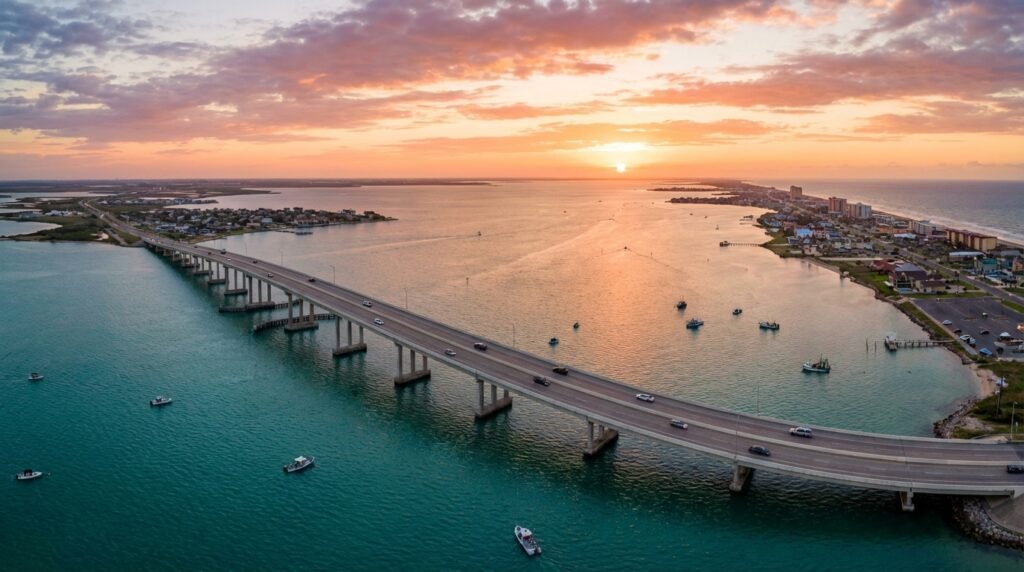
Queen Isabella Causeway: Complete Guide to Texas’ Historic Bridge
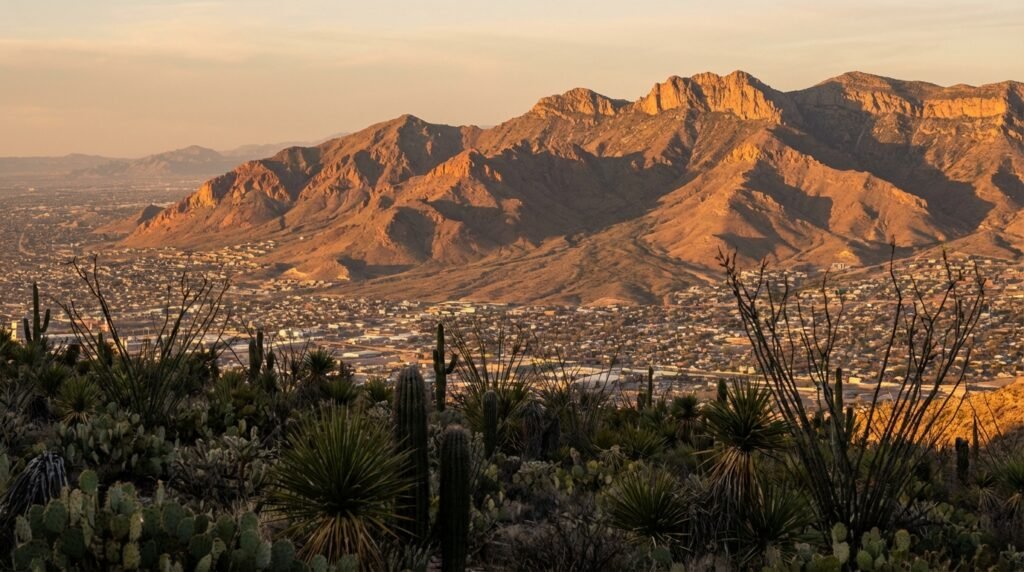
Franklin Mountains State Park: Complete Guide to El Paso’s Urban Wilderness

Waco Travel Guide: Things to Do, Where to Eat & Day Trips
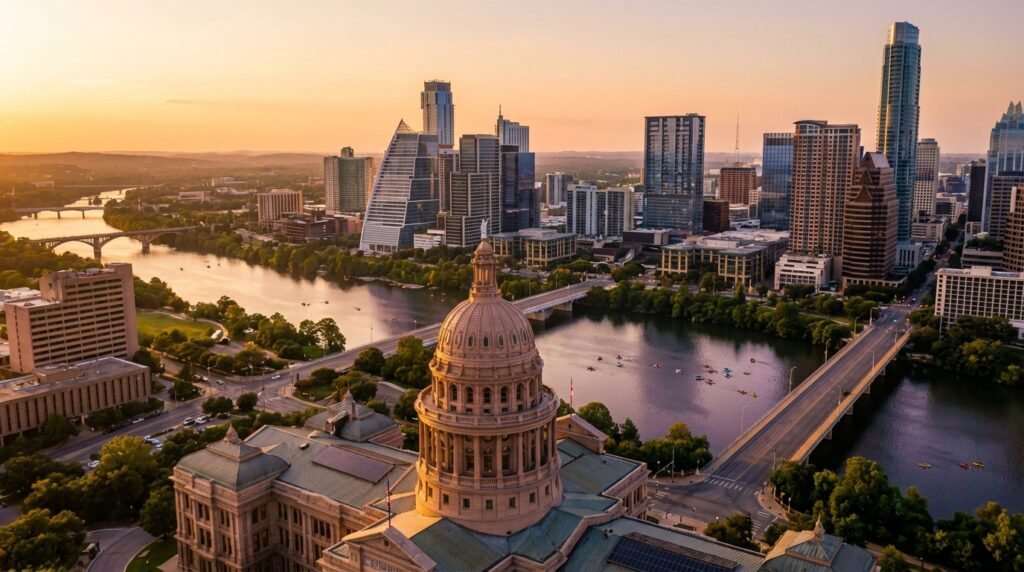
Austin, Texas Travel Guide: Things to Do, Where to Stay & Day Trips
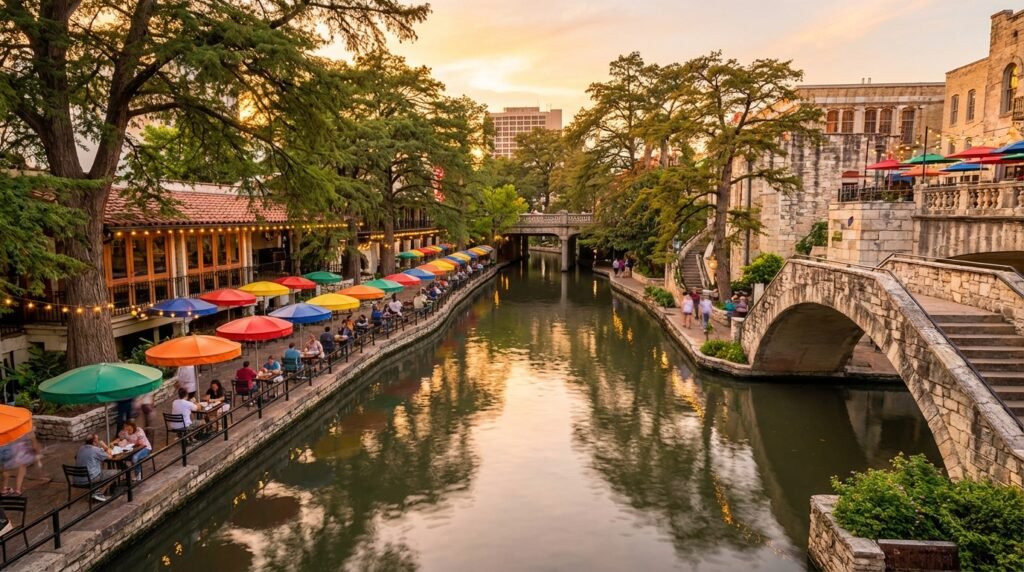
San Antonio Travel Guide: Riverwalk, Attractions & Texas Charm

Corpus Christi Travel Guide: Beaches, Attractions & Texas Coast Adventures
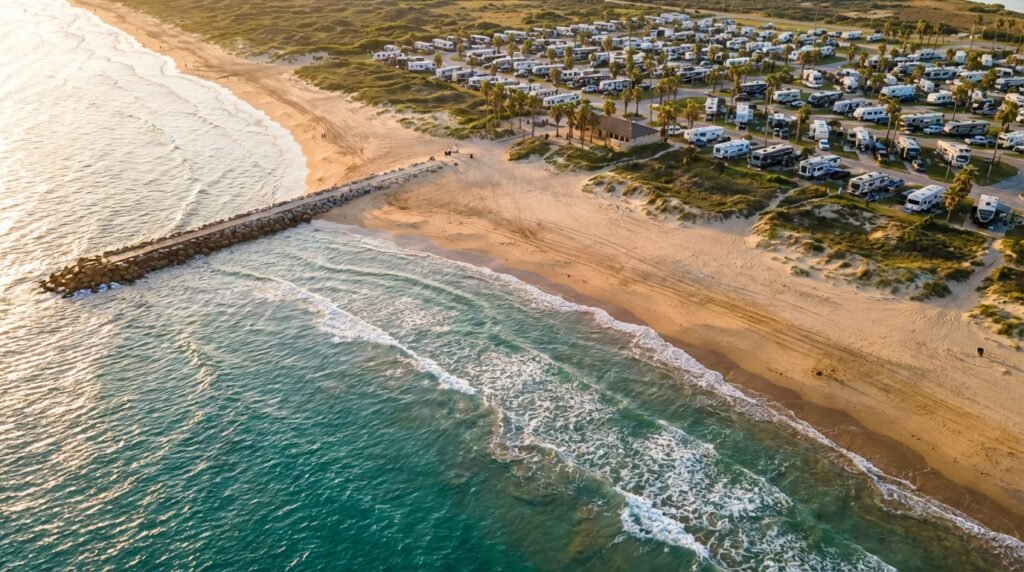
Isla Blanca Park: Complete Guide to South Padre Island’s Crown Jewel
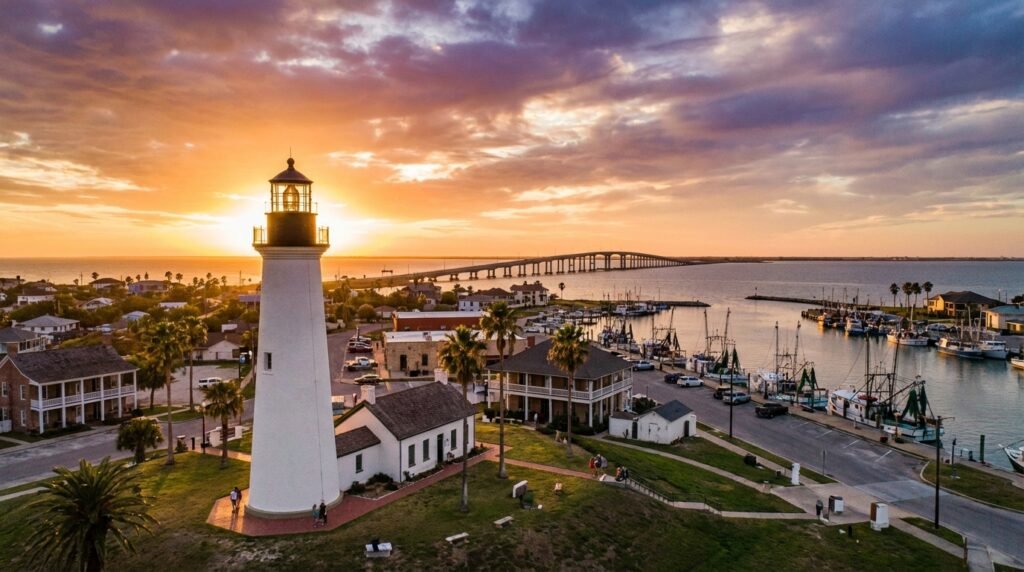
Port Isabel Travel Guide: Gateway to South Padre Island
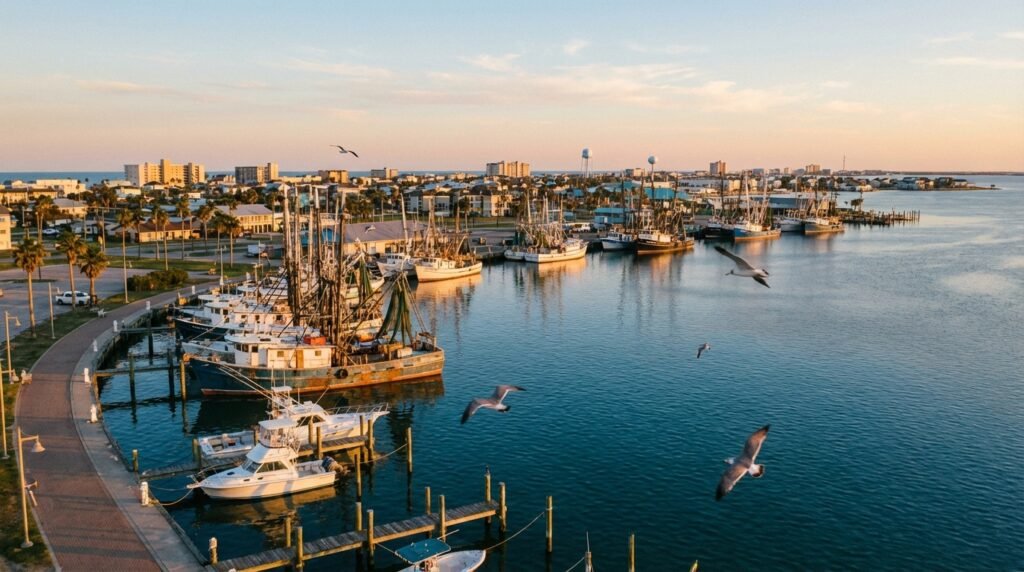
Aransas Pass Travel Guide: Gateway to the Texas Coast