Estimated reading time: 13 minutes
Last updated: February 2026
Discovering Palo Duro Canyon: Texas’ Hidden Natural Wonder
How This Guide Was Researched
The information in this guide was gathered from official destination websites, national park services, and experienced traveler reports. Costs, schedules, and conditions were verified at publication. We recommend confirming details directly before your visit.
Want to see the canyon’s dramatic landscapes for yourself? Watch our complete Palo Duro Canyon travel documentary in 4K.
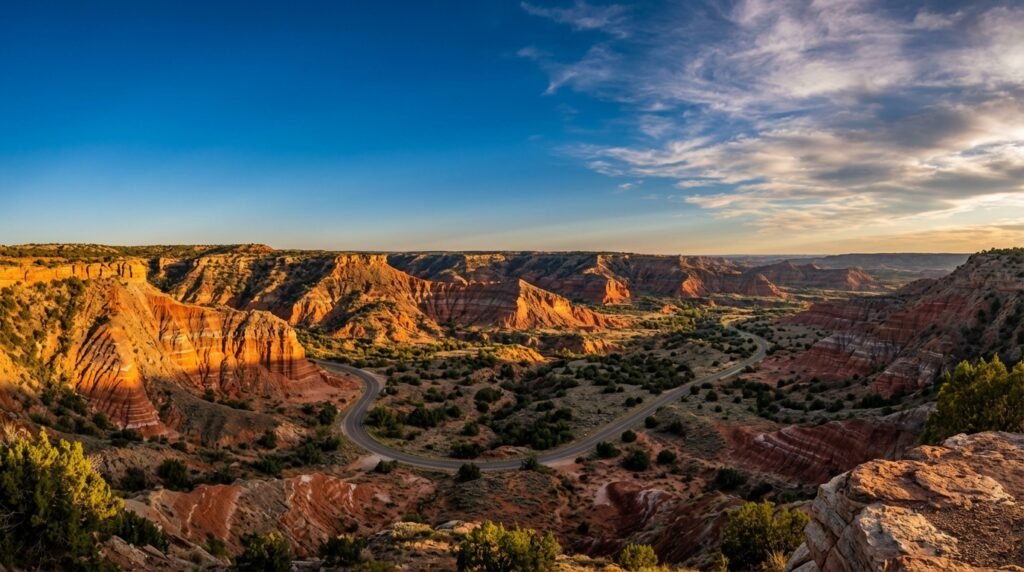
Most people think of Arizona when they picture dramatic canyons, but Palo Duro Canyon tells a different story. This is the second-largest canyon system in the United States, often called the Grand Canyon of Texas. The comparison isn’t an exaggeration. Stretching 120 miles long, up to 20 miles wide, and plunging 800 feet below the flat Texas Panhandle plains, this natural wonder surprises first-time visitors who expect nothing but endless grassland.
Palo Duro Canyon State Park sits just 25 miles south of Amarillo and 14 miles from the small town of Canyon. The park entrance drops you into a world of red, orange, and rust-colored rock layers that tell 250 million years of geological history. These colorful formations make every turn in the road feel like a postcard.
History runs deep here. On September 28, 1874, Colonel Ranald S. Mackenzie led the 4th U.S. Cavalry in a surprise dawn attack on a camp of Comanches, Kiowas, and Cheyennes in the canyon. This battle, known as the The Battle of Palo Duro Canyon – Texas Historical Commission, became a turning point in the Red River War and changed the region forever.
Today, Palo Duro Canyon State Park Texas welcomes visitors who want to hike, camp, and explore one of the most accessible natural wonders in the Southwest. The Palo Duro Canyon State Park – Texas Parks & Wildlife Department manages this protected area, making it easy for families, solo travelers, and outdoor lovers to experience the canyon’s beauty without the crowds you find at more famous parks.
Top Attractions and Things to Do in Palo Duro Canyon
Start your visit with the scenic drive that winds 16 miles through the canyon. This paved loop road drops 800 feet with the rim and the canyon floor. Drive slowly at 10 to 15 miles per hour to take in the views safely. The full loop takes 30 to 45 minutes without stops, but you’ll want to pull over at the many overlooks for photos. The canyon floor runs about 10 degrees hotter than the rim, so bring extra water before you head down.
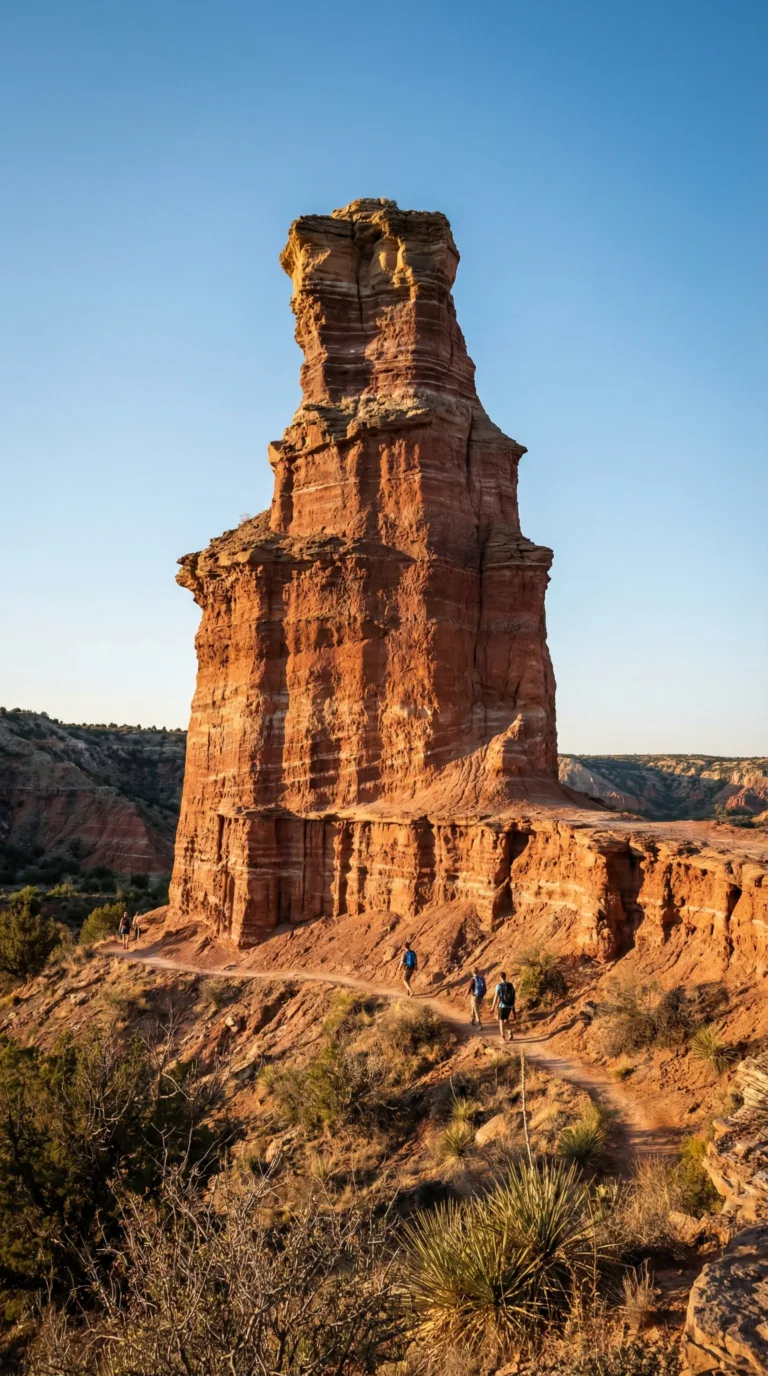
The Lighthouse Trail is the park’s most popular hike for good reason. This 5.75-mile round trip leads to the Lighthouse rock formation, a 310-foot sandstone pillar that’s the canyon’s signature landmark. The trail is rated moderate, with some steep sections and loose rock. Start early in the morning or late in the afternoon to avoid the midday heat. The views from the base of the Lighthouse make every step worth it.
Beyond the Lighthouse, the park offers more than 30 miles of palo duro canyon hiking trails for all skill levels. Easy nature walks let you explore without breaking a sweat. Challenging backcountry routes take you deeper into the canyon’s remote corners. Pick up a trail map at the visitor center or check the Texas Parks and Wildlife Palo Duro Canyon Trail Maps before you set out.
The Big Cave sits along one of the hiking trails and offers a look at the canyon’s geological history. This natural shelter was used by Native Americans for thousands of years. The cave stays cool even on hot days, making it a welcome rest stop. Another dramatic feature is Fortress Cliff, a towering rock wall visible from the scenic drive and accessible by trail.
For a different perspective, try horseback riding in palo duro canyon. The park concessionaire offers guided trail rides that let you explore the canyon the way early settlers and Native Americans did. Rides range from one hour to half-day adventures.
On summer evenings, the canyon comes alive with the TEXAS outdoor musical. This show has run in the Pioneer Amphitheater since 1966, telling the story of Texas Panhandle settlers through music, dance, and drama. Check the TEXAS Outdoor Musical Tickets page for the current schedule.
Photographers should plan visits around sunrise and sunset. The golden hour light brings out the red, orange, and rust colors in the rock layers. The striations glow in ways you’ll not see at midday.
Where to Stay: Camping, Cabins, and Nearby Lodging
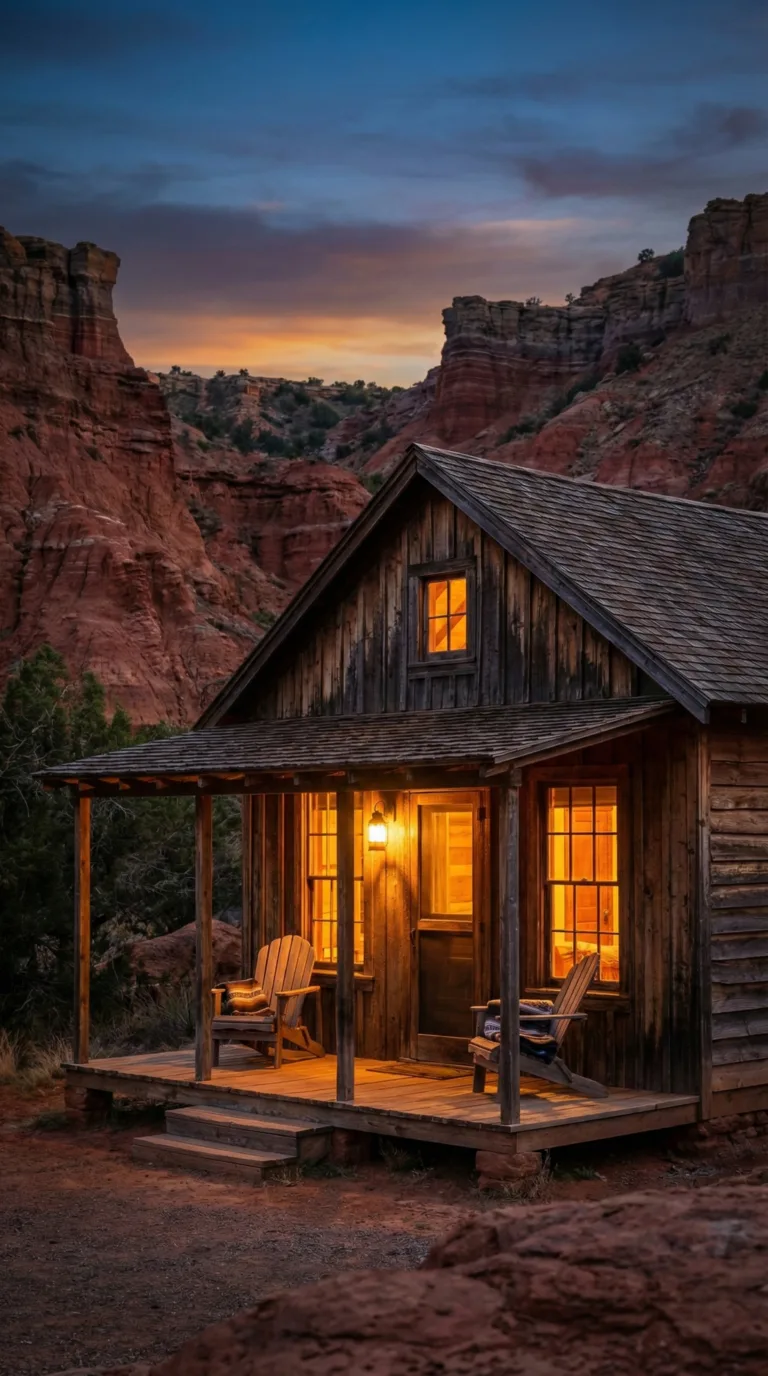
Palo Duro Canyon offers several ways to spend the night, from tent camping under the stars to cozy cabins with modern comforts. The park has over 100 campsites spread across different areas. You can choose from primitive tent sites, RV sites with water and electric hookups, or equestrian campsites if you bring horses. Sagebrush Campground is one of the main camping areas inside the park.
If you prefer more shelter, the park offers several cabin options. These range with basic structures and rustic luxury cabins. Some cabins feature hot tubs, and pet-friendly options are available if you travel with dogs. RV camping is popular here, with full hookup sites inside the park. Several RV parks outside the state park boundaries provide additional choices.
If you like hotels, the Best Western Palo Duro Canyon Inn sits in Canyon, Texas, about 14 miles from the park entrance. Amarillo, 25 miles away, has many more hotel options. You can also find Airbnb cabin rentals in the area if you want more privacy or extra amenities.
Reservations are strongly recommended, especially for weekends and peak season in spring and fall. Book through the Texas Parks and Wildlife Palo Duro Canyon Reservations system. Reserve three to six months ahead for peak times. Weekdays sometimes have last-minute availability.
Getting to Palo Duro Canyon State Park
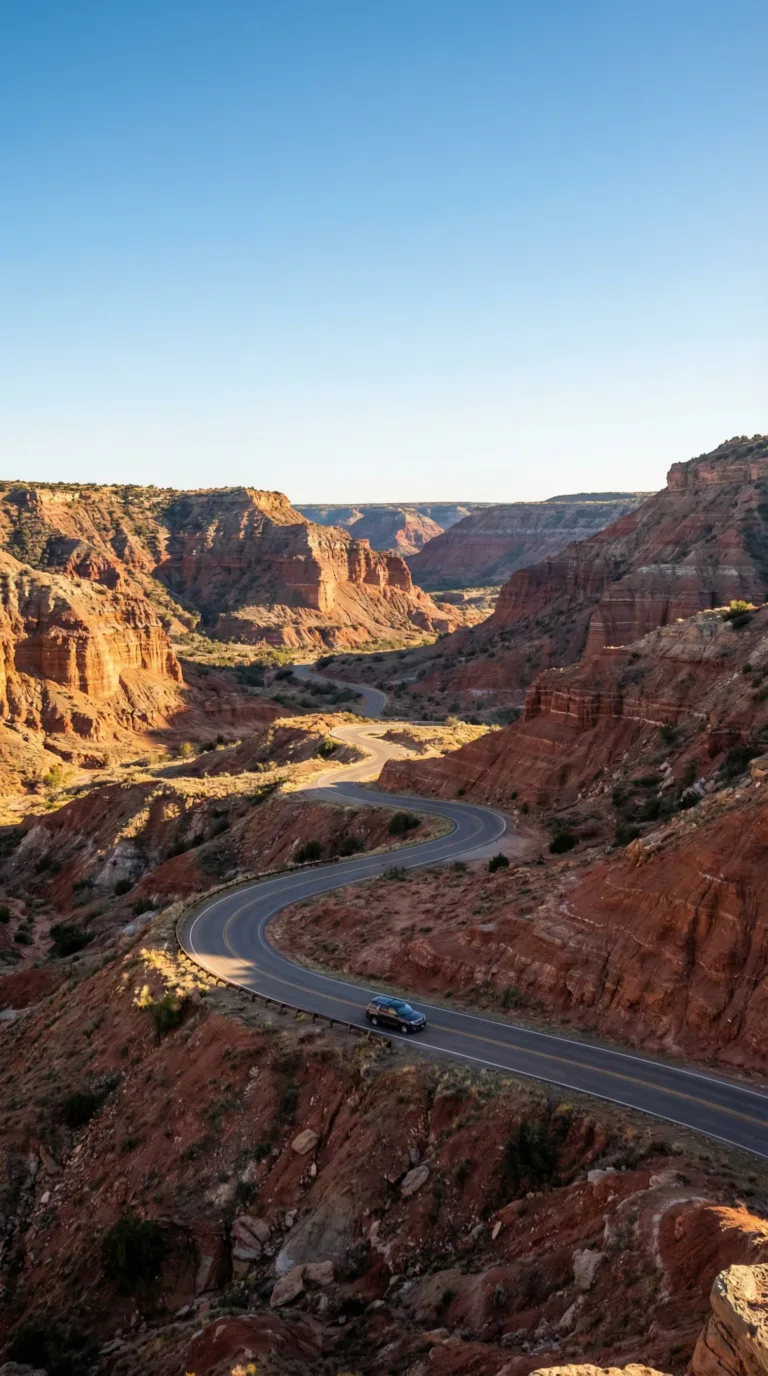
The park sits 25 miles south of Amarillo, the closest major city. From Amarillo, take I-27 south to the town of Canyon, then follow State Highway 217 east for 12 miles to reach the entrance. The drive from Amarillo takes about 30 minutes.
If you’re traveling from other parts of Texas, Lubbock is about 120 miles away, Dallas is 360 miles northeast, Fort Worth is 370 miles, Austin is 530 miles south, San Antonio is 540 miles, and Houston is 630 miles southeast. All routes require a personal vehicle, as no public transportation serves the park.
Rental cars are available in Amarillo if you fly in. The park is open daily year-round, typically from 7am to 10pm, but check the Palo Duro Canyon State Park website for current hours before you visit. All main roads inside the park are paved and suitable for standard cars. Parking is plentiful at trailheads and overlooks, and it’s included with your entrance fee. Some backcountry roads require high-clearance vehicles.
Palo Duro Canyon Costs and Budget Tips
Planning Tip
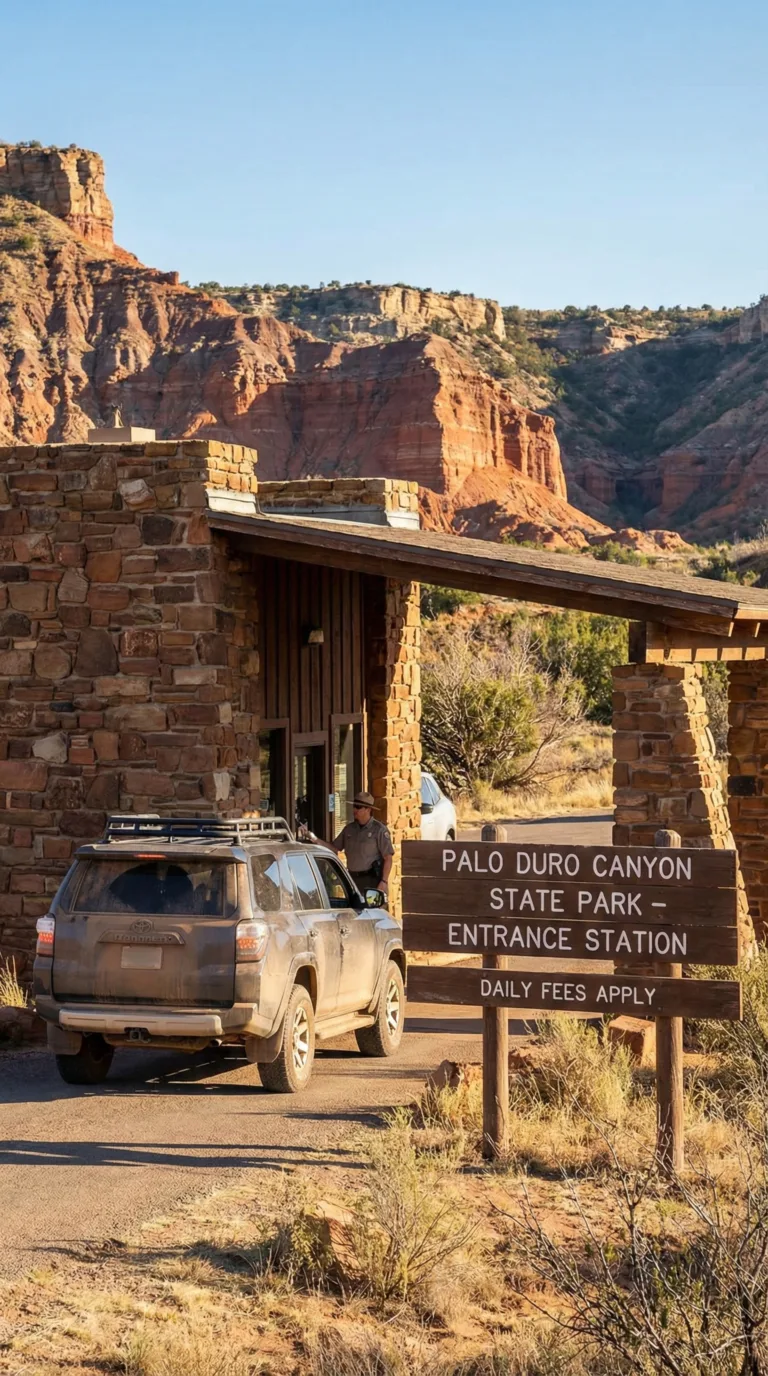
Palo Duro Canyon is one of the most affordable outdoor adventures in Texas. The standard day pass costs $8 per person for ages 13 and up. Children 12 and under enter free. If you plan to visit multiple Texas state parks, the annual Texas State Parks Pass offers unlimited entry for one year and pays for itself after just a few trips.
Planning Tip
Camping starts at $15 to $20 per night for primitive tent sites. RV sites with hookups run $25 to $35 per night. Cabins range from $75 to $150 per night depending on size and amenities. Cabins with hot tubs sit at the premium end. Book cabins well in advance for the best rates.
Horseback riding tours typically cost $50 to $75 per person. Tickets for the TEXAS musical run $20 to $30 for adults. Seniors 65 and older, military members, and disabled veterans may qualify for reduced rates. Check the Texas Parks and Wildlife fees and facilities page for current discounts.
Save money by bringing your own food and water. There are no restaurants inside the park. Visit on weekdays for better campsite availability. Hiking, the scenic drive and wildlife viewing are all included with your entrance fee.
Day Trips and Nearby Attractions
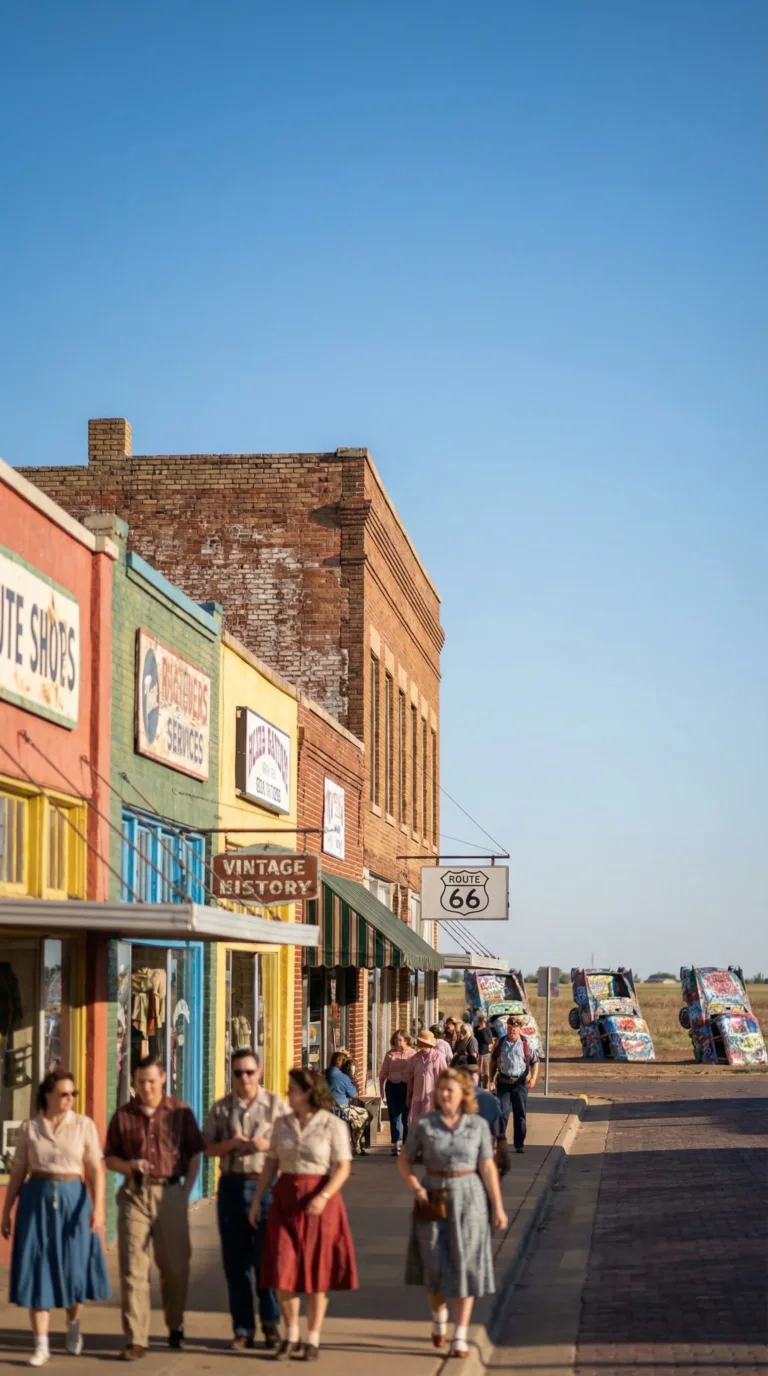
Palo Duro Canyon sits in the heart of the Texas Panhandle, surrounded by attractions that make it easy to build a multi-day adventure. The city of Amarillo, just 25 miles north, offers classic roadside stops like the Cadillac Ranch art installation, where ten spray-painted Cadillacs stand nose-down in a wheat field. Drive historic Route 66 through downtown, then challenge yourself to the famous 72-ounce steak at the Big Texan Steak Ranch. The American Quarter Horse Hall of Fame celebrates the region’s ranching heritage. For more information on area attractions, visit Visit Amarillo.
The town of Canyon, 14 miles from the park entrance, houses the Panhandle-Plains Historical Museum, the largest history museum in Texas. Its exhibits cover everything from dinosaurs to oil booms. Caprock Canyons State Park, 100 miles southeast, offers another impressive canyon system with far fewer visitors and the official Texas State Bison Herd.
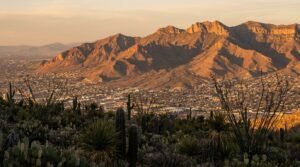
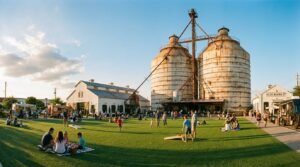
Planning a longer West Texas road trip? Big Bend National Park, 500 miles south, showcases dramatic desert canyons along the Rio Grande. Guadalupe Mountains National Park, 300 miles southwest, features Texas’ highest peaks and can combine with Palo Duro in a week-long parks tour. Franklin Mountains State Park near El Paso adds more canyon scenery 300 miles west. Travelers driving from Central Texas might stop in Waco to visit Magnolia Market before heading north to the Panhandle.
Weather, Best Time to Visit, and What to Pack
The best time to visit Palo Duro Canyon is during spring (March through May) or fall (September through November). These seasons offer comfortable temperatures between 60 and 80 degrees, perfect for hiking and camping. Summer brings extreme heat, often exceeding 100 degrees, though early morning and evening activities remain enjoyable. Winter temperatures range from 20 to 50 degrees, with occasional snow and ice.
Understanding Palo Duro Canyon weather by month helps you plan better. February averages 30 to 55 degrees with possible snow. November offers pleasant hiking conditions with temperatures between 35 and 65 degrees. Remember that the canyon floor runs about 10 degrees hotter than the rim, so adjust your plans accordingly.
Pack at least one gallon of water per person for day hikes. The Texas Panhandle sun is intense, so bring a wide-brimmed hat, sunscreen, and sunglasses. Sturdy hiking boots protect your feet on rocky trails. Layer your clothing to handle temperature swings between morning and afternoon. Pack snacks and lunch since no food services operate inside the park.
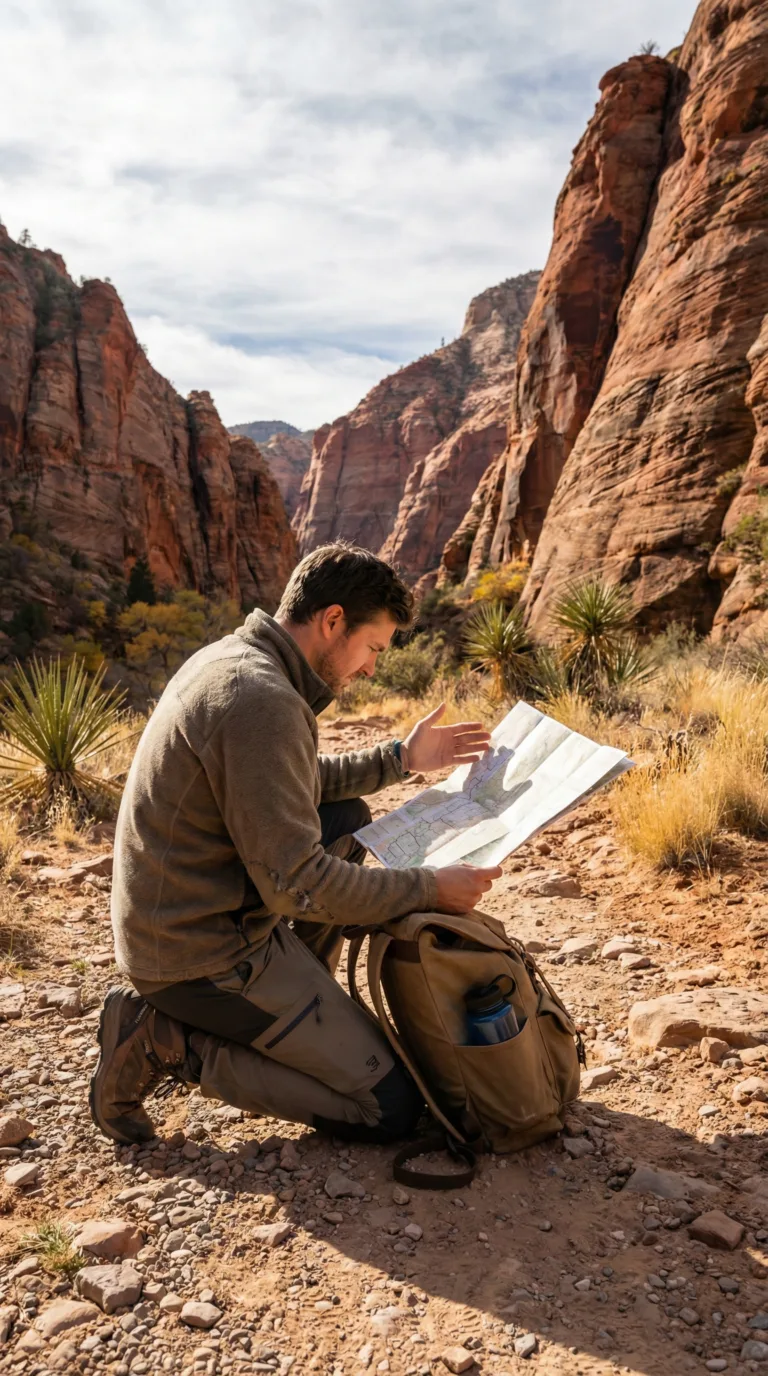
Download the Palo Duro Canyon map PDF from the Texas Parks and Wildlife website before you arrive. Cell service can be spotty in the canyon. Check Palo Duro Canyon State Park alerts to see if the park is closed due to weather, flooding, or wildfire danger. The National Weather Service Palo Duro Canyon forecast provides up-to-date conditions. Watch for rattlesnakes during warmer months and stay on marked trails.
For another remarkable canyon experience in Texas, Big Bend National Park offers even more remote desert landscapes and hiking opportunities.
If you’re drawn to dramatic canyon scenery, the nearby Guadalupe Mountains National Park features Texas’s highest peaks and stunning geological formations.
Many visitors combine their Palo Duro Canyon trip with a stop in Dallas, located about 350 miles southeast of the canyon.
For help planning a comprehensive itinerary that includes Palo Duro Canyon and other iconic destinations, our Texas travel guide covers 16 of the state’s best places to visit.
Frequently Asked Questions
What is special about Palo Duro Canyon?
Palo Duro Canyon is the second-largest canyon system in the United States. It stretches 120 miles long and up to 20 miles wide. The canyon shows 250 million years of geological history through colorful layered rock formations. You’ll see shades of red, orange, rust, and yellow stacked in dramatic bands. People often call it the “Grand Canyon of Texas.” It offers a more accessible and less crowded alternative to Arizona’s Grand Canyon. The canyon also has significant historical importance. It was the site of the 1874 Battle of Palo Duro Canyon, a decisive conflict in the Red River War.
What city is closest to Palo Duro Canyon?
The town of Canyon, Texas is the closest city. It sits just 14 miles from the park entrance. Amarillo is the nearest major city, located 25 miles north of the canyon. Amarillo offers more extensive lodging, dining, and services. Both cities are easily accessible via I-27 and State Highway 217. This makes Palo Duro Canyon a convenient day trip or weekend destination.
What is the best time of year to visit Palo Duro Canyon?
Spring (March through May) and fall (September through November) are the ideal times to visit. These seasons offer moderate temperatures perfect for hiking and camping. They avoid the extreme summer heat, which often exceeds 100°F. They also skip the cold winter temperatures. Spring brings wildflowers and green vegetation. Fall offers comfortable weather and beautiful golden light for photography. Summer visits are still possible, but you’ll need to plan activities for early morning or evening to avoid midday heat.
How long does it take to drive the loop at Palo Duro Canyon?
The scenic loop drive takes about 30 to 45 minutes at the recommended speed of 10 to 15 mph. This timing allows for safe navigation of the winding road and basic sightseeing. It doesn’t include stops. Plan for 1.5 to 2 hours if you want to stop at multiple overlooks for photos and short walks. Remember that temperatures are typically 10 degrees hotter at the canyon floor than at the rim. Bring plenty of water.
What happened at Palo Duro Canyon?
The Battle of Palo Duro Canyon occurred on September 28, 1874, during the Red River War. Colonel Ranald S. Mackenzie led the 4th U.S. Cavalry in a surprise dawn attack on a camp of Comanches, Kiowas, and Cheyennes. This decisive battle effectively ended Native American resistance in the Texas Panhandle. It destroyed their winter supplies and captured their horse herd. The canyon had been used as a shelter and campsite by Native Americans for thousands of years before this conflict.
For more detailed answers to common questions, visit the Palo Duro Canyon State Park FAQs page.