Estimated reading time: 14 minutes
Last updated: February 2026
- Houston is Texas’s largest city with top-quality space, cultural, and culinary attractions
- The city is surprisingly affordable compared to other major US metropolitan areas
- George Bush Intercontinental Airport (IAH) is the main gateway to the city
- Houston’s diverse neighborhoods each offer distinct experiences and dining scenes
- Day trips to Austin, San Antonio, and Galveston Island are easily accessible
- The Houston Rodeo is one of the world’s largest livestock shows and rodeos
Welcome to Houston: Space City and Beyond
How This Guide Was Researched
This guide was compiled from travel documentaries, verified tourism sources, and community traveler feedback. Prices and operational details were confirmed at the time of writing. We recommend checking official sources for the latest information before your trip.
You can experience Houston’s energy for yourself. Watch our complete Houston travel guide in 4K.
Houston offers an incredible diversity of things to do, from space exploration to top-quality dining. As the largest city in Texas and the fourth-largest in the United States, Houston in Texas packs more variety than most travelers expect. The city earned its nickname “Space City” thanks to NASA’s Johnson Space Center, where mission control has guided every American spaceflight since 1965.
What surprises many visitors is how affordable Houston Texas remains compared to other major US cities. Hotel rates run lower than in New York or San Francisco, and you can eat exceptionally well without draining your budget. The city’s cultural diversity shapes everything from its restaurant scene to its festivals. More than 145 languages are spoken here, making downtown Houston and its surrounding neighborhoods a true crossroads of cultures.
This guide covers everything you need to plan your trip: the best attractions, distinct neighborhoods worth exploring, where to find authentic food, practical tips for getting around, and easy day trips. you’ll find plenty to fill your itinerary. Check Visit Houston Texas for current event listings and seasonal updates.
Top Things to Do in Houston
Start your Houston visit at Space Center Houston, the official visitor center for NASA’s Johnson Space Center. This is where astronauts train for missions. You can take tram tours through the actual training facilities, see Mission Control from the Apollo era, and meet retired astronauts during daily talks. The center houses over 400 space artifacts, including moon rocks you can touch and the original shuttle carrier aircraft with a shuttle mounted on top.
If you visit in March, the Houston Livestock Show and Rodeo takes over NRG Park for three weeks. This is one of the world’s largest livestock exhibitions, drawing over 2.5 million visitors. You will see bull riding, barrel racing, and calf roping competitions. Each night ends with concerts from major country and pop artists. The carnival midway runs alongside the rodeo grounds with over 70 rides.
Planning Tip
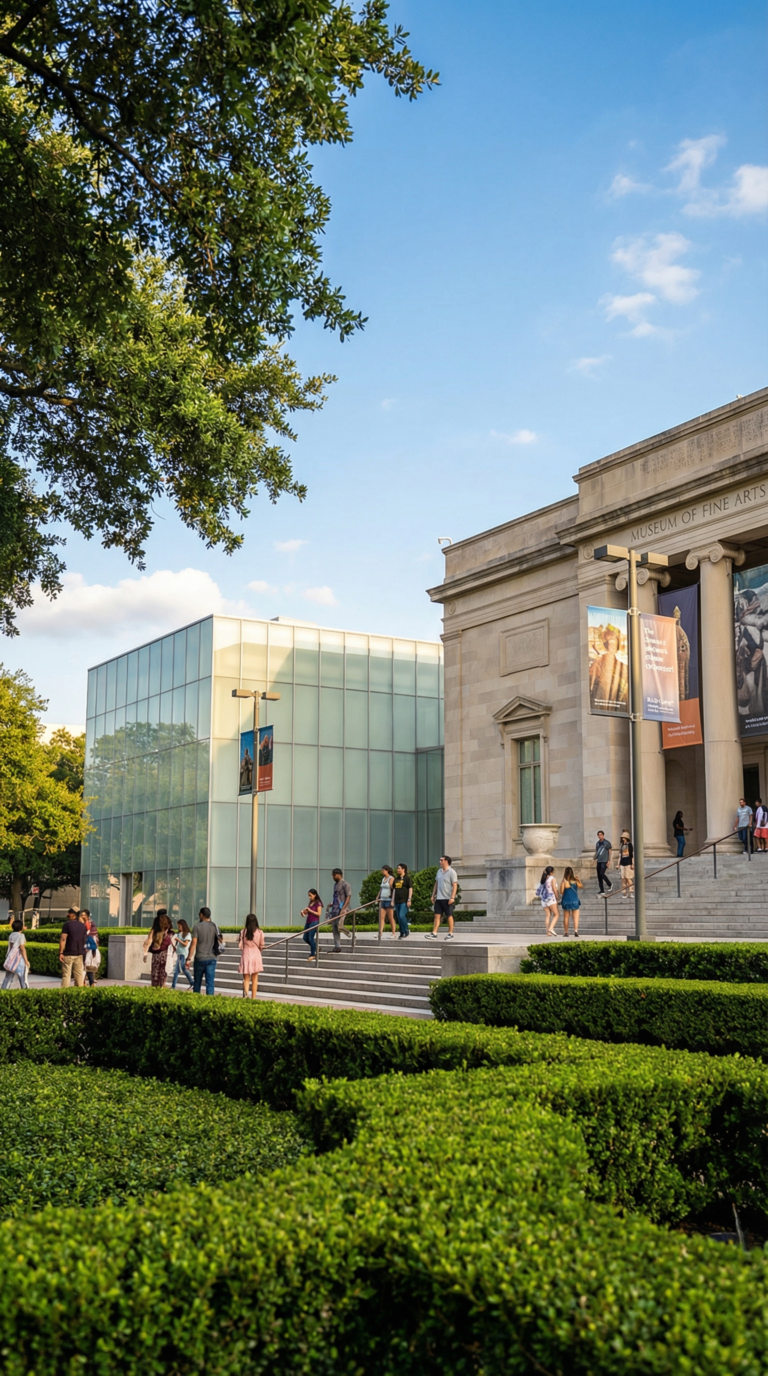
The Museum District packs 19 museums into 1.5 walkable miles. The Museum of Fine Arts Houston holds 70,000 works spanning 6,000 years, from ancient Egyptian pieces to contemporary installations. Entry costs $19 for adults, but Thursdays are free all day. Nearby, the Houston Museum of Natural Science displays a 60-foot dinosaur skeleton and a two-story butterfly center with 1,500 live butterflies.
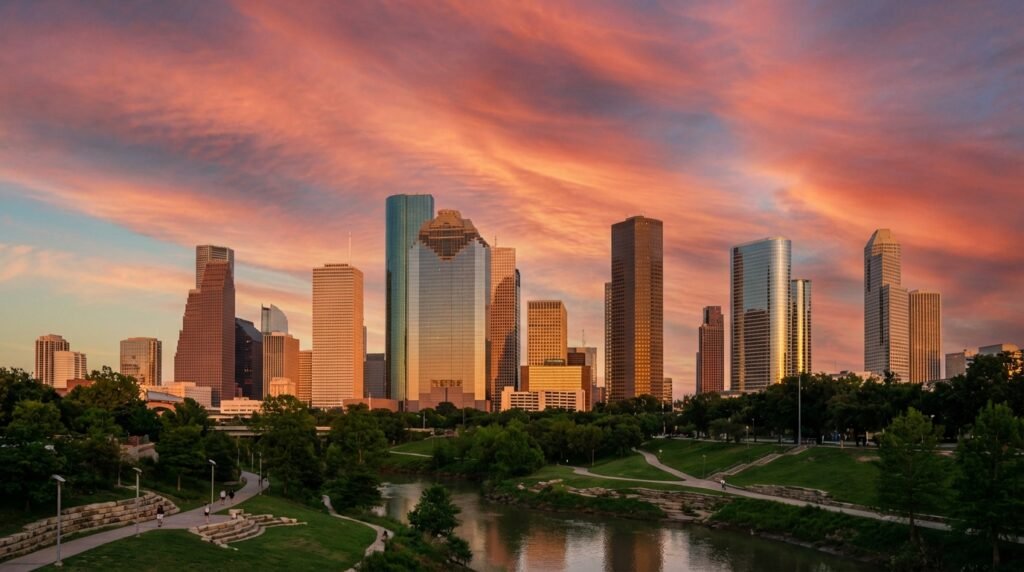
Downtown Houston centers around Discovery Green, a 12-acre park with free concerts, food trucks, and a dog park. The Theater District hosts touring Broadway shows and resident companies across 17 blocks. Walk east to find street murals covering entire warehouse walls in the East End, particularly along Harrisburg Boulevard.
For adults and couples, the craft brewery scene clusters in the Heights neighborhood, where eight breweries sit within two miles of each other. Buffalo Bayou Park offers kayak rentals for paddling past downtown’s skyline. The Beer Can House in Memorial Park covers an entire bungalow with flattened beer cans, creating a folk art landmark.
Weekends bring the Urban Harvest Farmers Market on Saturdays, with over 90 vendors selling Gulf seafood, Texas peaches, and prepared foods. The Houston Zoo houses 6,000 animals across 55 acres, including a new Galapagos tortoise habitat. Summer heat makes indoor attractions like the Children’s Museum more comfortable from June through August.
Houston’s Best Neighborhoods to Explore
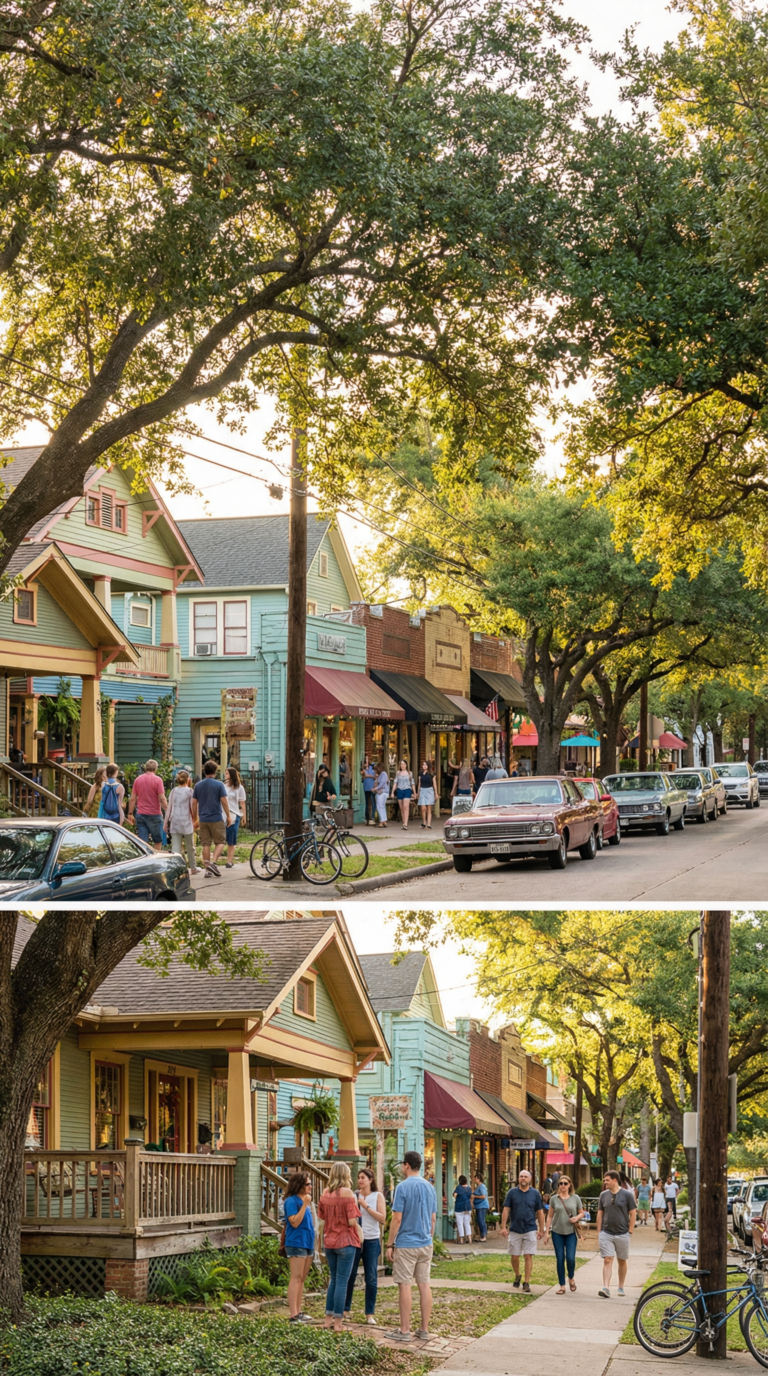
Houston covers 670 square miles, making it larger than New York City. The city has no single downtown core that defines it. Instead, Houston spreads across dozens of distinct neighborhoods, each with its own character.
Downtown Houston anchors the city’s business district. You’ll find the Theater District here, along with Minute Maid Park and Toyota Center. The area has added apartment towers in recent years, bringing more residents after business hours.
Montrose sits just west of downtown. This neighborhood draws artists, vintage shoppers, and anyone looking for independent galleries. The tree-lined streets hold colorful bungalows from the 1920s. You can walk to coffee shops, record stores, and restaurants serving everything from Vietnamese pho to farm-to-table American fare. Montrose has been Houston’s LGBTQ hub for decades.
The Museum District clusters 19 museums within walking distance of Rice University. The area feels upscale and pedestrian-friendly, a rarity in car-dependent Houston.
Midtown caters to young professionals. The neighborhood sits between downtown and the Museum District, packed with bars, restaurants, and newer apartment buildings.
The Heights offers historic homes and family-friendly parks. 19th Avenue runs through the center, lined with local shops and cafes.
For upscale shopping, head to Rice Village near the university or the Galleria area, where international restaurants surround Texas’s largest mall.
Houston’s Food Scene: A Culinary Capital
Houston is one of America’s most diverse food cities. More than 70 languages are spoken here, and that diversity shows up on every block. You can eat Nigerian stew for lunch, Vietnamese pho for dinner, and Pakistani biryani for a midnight snack, all without leaving the city limits.
Every August, Houston Restaurant Weeks turns the entire city into a dining fundraiser. Top restaurants offer prix-fixe menus at reduced prices, and proceeds support the Houston Food Bank. It is one of the best times to try places you might not splurge on otherwise.
Downtown Houston restaurants cater to the business lunch crowd and theater-goers. You will find upscale steakhouses, seafood spots, and quick pre-show dining near the Theater District. For a reliable choice, Hillstone serves American classics in a polished setting.
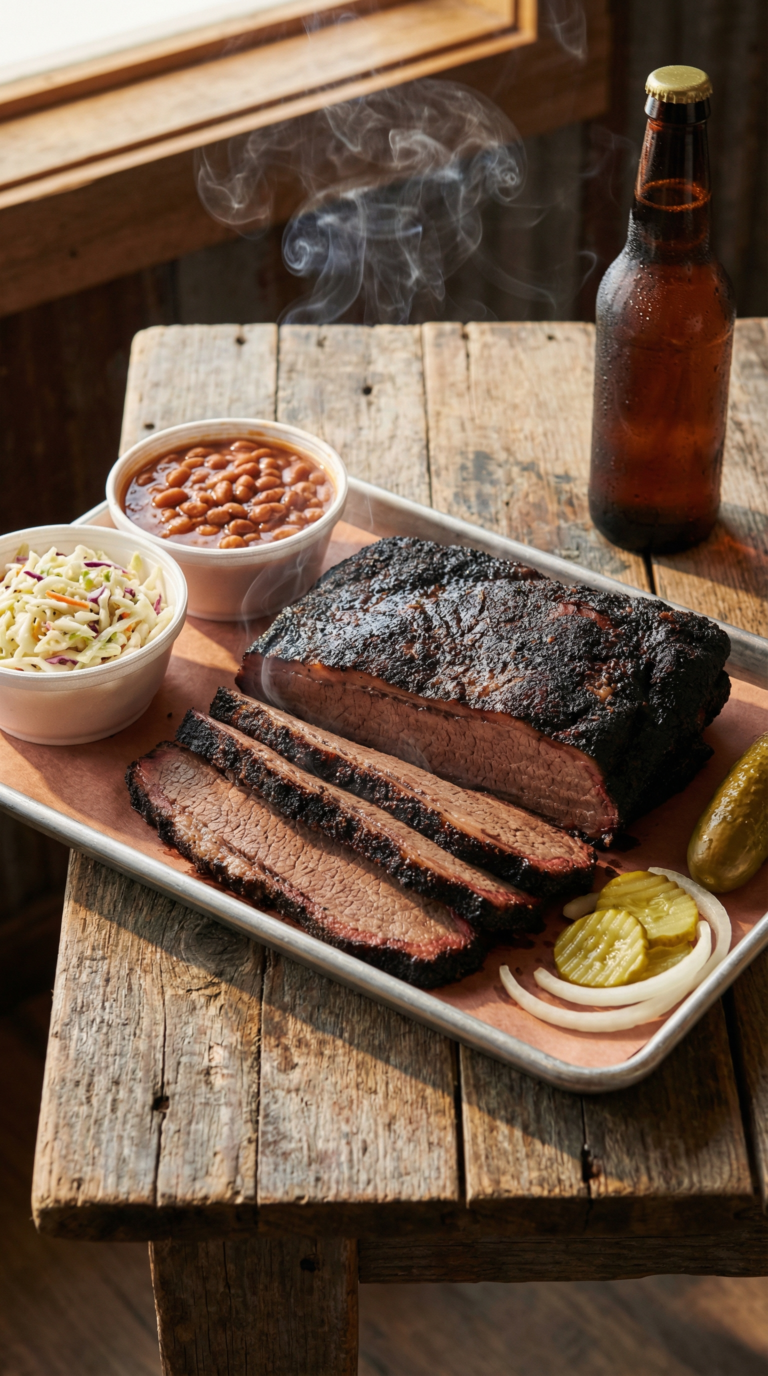
Texas specialties dominate many menus. Smoked brisket with a charred bark, Tex-Mex platters piled with cheese and beans, Gulf shrimp straight off the boat, and chicken-fried steak the size of a dinner plate are all easy to find.
Houston’s international food scene runs deep. Midtown has blocks of Vietnamese restaurants. Chinatown stretches along Bellaire Boulevard with dim sum houses and noodle shops. You will also find Ethiopian injera, Nigerian jollof rice, and Pakistani karahi in strip malls across the city.
Phoenicia Specialty Foods is a Mediterranean market and café with fresh pita, imported cheeses, and prepared meals. It is a good stop for lunch or picnic supplies.
Food halls like Understory downtown and Bravery Chef Hall in Montrose gather multiple vendors under one roof. Farmers markets run on weekends across the city.
Planning Tip
Top-rated restaurants fill up fast. Make reservations a week ahead for weekend dinners. Expect to pay $15 to $30 per person at casual spots, $50 and up at fine dining establishments.
Where to Stay in Houston
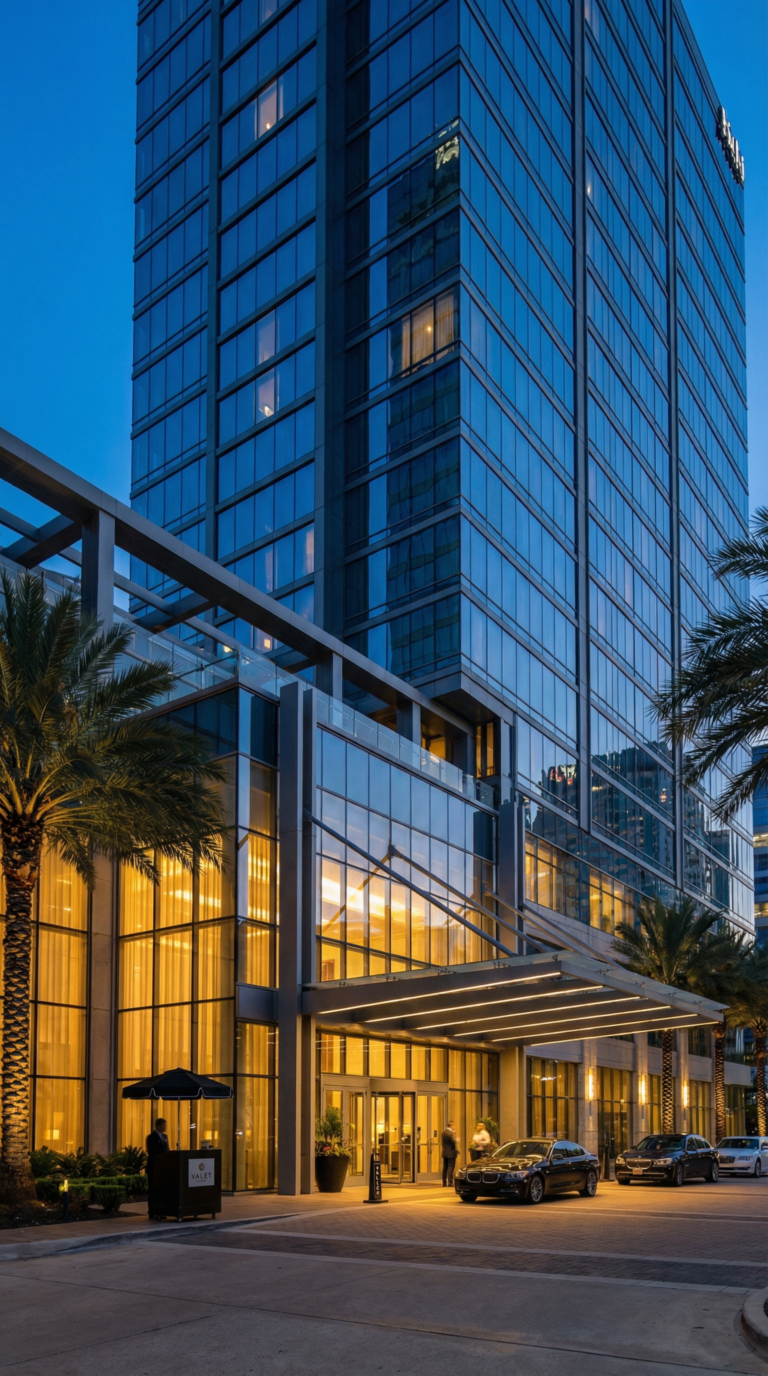
Houston spreads across 670 square miles, so choosing where to stay depends on your plans. Pick a base near the attractions you want to visit most.
Downtown hotels work well for business travelers and anyone attending events at Minute Maid Park or the Theater District. You can walk to Discovery Green and several museums from here. Most downtown properties charge $25 to $40 per night for parking.
The Galleria area draws visitors who want luxury shopping and upscale dining within walking distance. Hotels like the Intercontinental Houston offer high-end amenities in this district. International chains cluster around the mall, making this area familiar for first-time visitors.
The Museum District and Medical Center area puts you near 19 museums, Hermann Park, and Rice University. These hotels cost less than downtown options while keeping you close to cultural attractions.
Budget travelers find chain hotels along major highways, particularly near I-10 and I-45. Midtown has a few hostels for young travelers looking to save money.
Houston doesn’t have traditional beach resorts, but several luxury hotels offer resort-style pools, spas, and full-service amenities. Think of houston resorts as upscale hotels with extra features rather than destination properties.
Airbnb rentals in Montrose and The Heights let you stay in residential neighborhoods with local restaurants and coffee shops nearby. If you have an early flight from George Bush Intercontinental Airport, consider hotels near IAH in north Houston.
Getting to and Around Houston
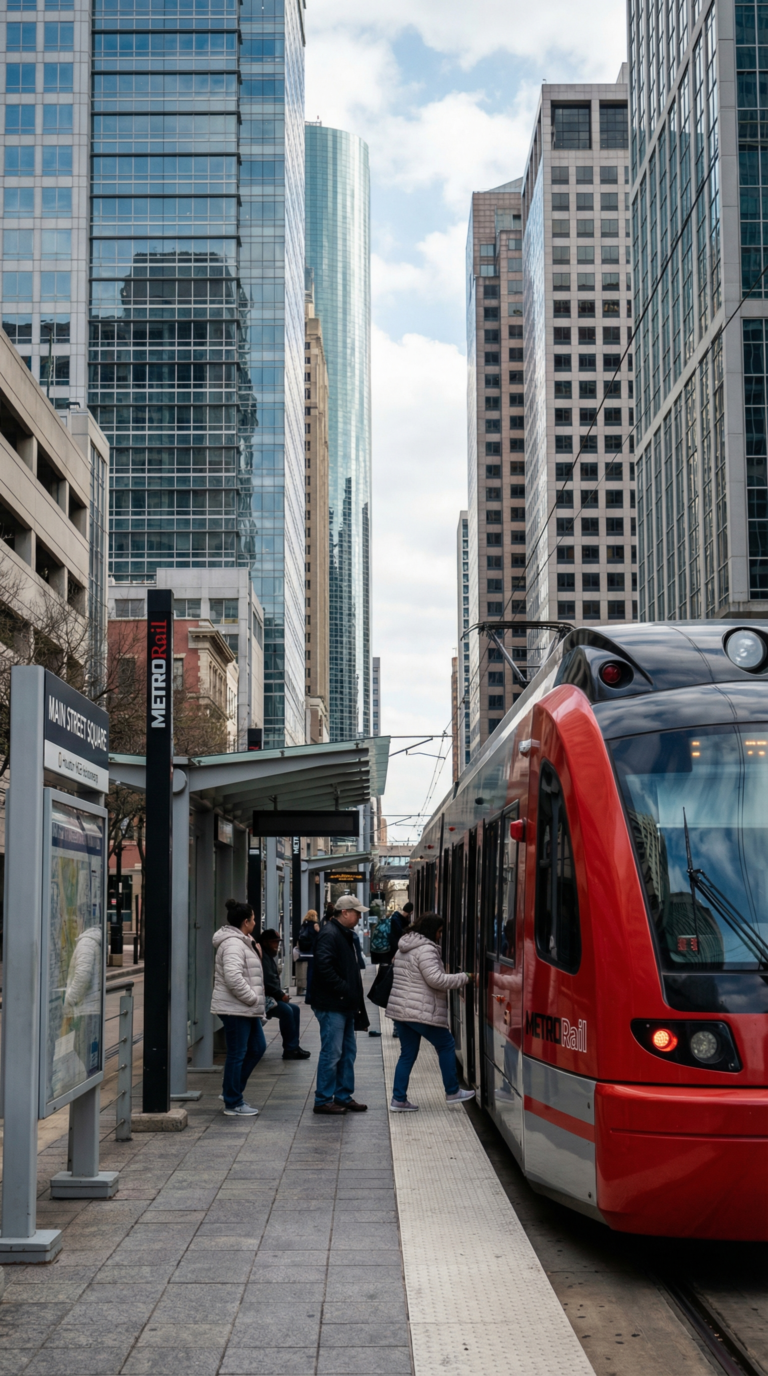
Most visitors fly into George Bush Intercontinental Airport (IAH), located 23 miles north of downtown. It serves as Houston’s main international hub. For domestic flights, Hobby Airport (HOU) sits closer to the city center and handles most Southwest Airlines traffic. From either airport, you can rent a car, grab a ride-share, or take a taxi. Public transit from the airports exists but involves multiple transfers and takes much longer.
Houston was built for cars. Outside of downtown, Midtown, and the Museum District, walking between attractions is not practical. Most visitors rent a car to explore the city comfortably. Check the George Bush Intercontinental Airport official website for terminal maps and ground transportation details.
The city operates three METRORail light rail lines connecting downtown with the Museum District, Texas Medical Center, and NRG Stadium. The Houston METRO official route maps and schedules show all routes. Downtown and Midtown also offer bike share programs and electric scooters for short trips.
Houston traffic is heavy. Plan extra time during morning rush (7 to 9 AM) and evening rush (4 to 7 PM). Major highways include I-10 running east-west, I-45 heading north-south, and I-69 connecting southwest neighborhoods. Allow buffer time when driving to the airport or scheduled activities.
Houston on a Budget
Houston stands out among major American cities for its low cost of living. Visitors benefit from this too. You can explore Space City without emptying your wallet.
Daily budget estimates help you plan. Budget travelers spend $80-100 per day. Mid-range visitors typically budget $150-200. Luxury travelers might spend $300 or more. These figures include lodging, meals, and activities.
Free attractions fill your itinerary. Buffalo Bayou Park offers trails and skyline views at no cost. Many museums provide free admission on Thursdays. Discovery Green hosts free concerts and movie nights throughout the year.
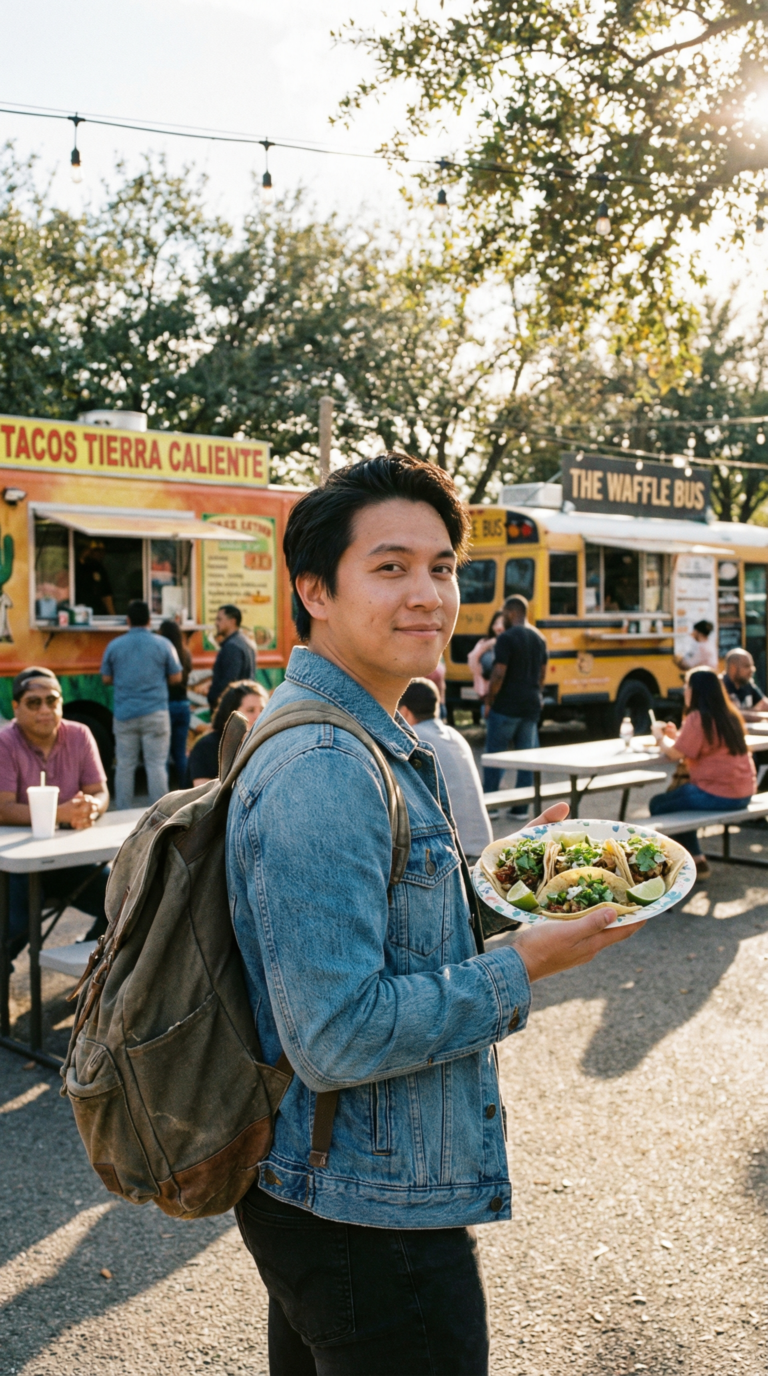
Dining affordably is easy in Houston. Food trucks serve tacos, barbecue, and international dishes for $8-12 per meal. Ethnic restaurants in neighborhoods like Chinatown and Mahatma Gandhi District offer authentic meals under $15. Lunch specials and happy hours cut costs at nicer restaurants.
Accommodation savings add up. Book hotels outside downtown for lower rates. Midtown offers good value with easy access to attractions. Reserve rooms weeks ahead for better prices.
Transportation stays manageable. Rental cars split among travelers cost less than rideshares for groups. METRORail day passes run $3 for unlimited rides. Houston Restaurant Week brings prix-fixe menus at upscale restaurants for $25-55. CityPASS bundles five attractions for $64 (adult) versus $130 bought separately.
Best Day Trips from Houston
Houston sits in the middle of Texas, which makes it a perfect starting point for exploring the state. You can reach beaches, mountains, and historic cities within a few hours by car.
The closest escape is Galveston Island, just 50 miles south. The drive takes about an hour. The historic Strand District has shops and restaurants in 19th-century buildings. Moody Gardens features a rainforest pyramid and aquarium. The Official Galveston Island tourism website lists current beach conditions and events.
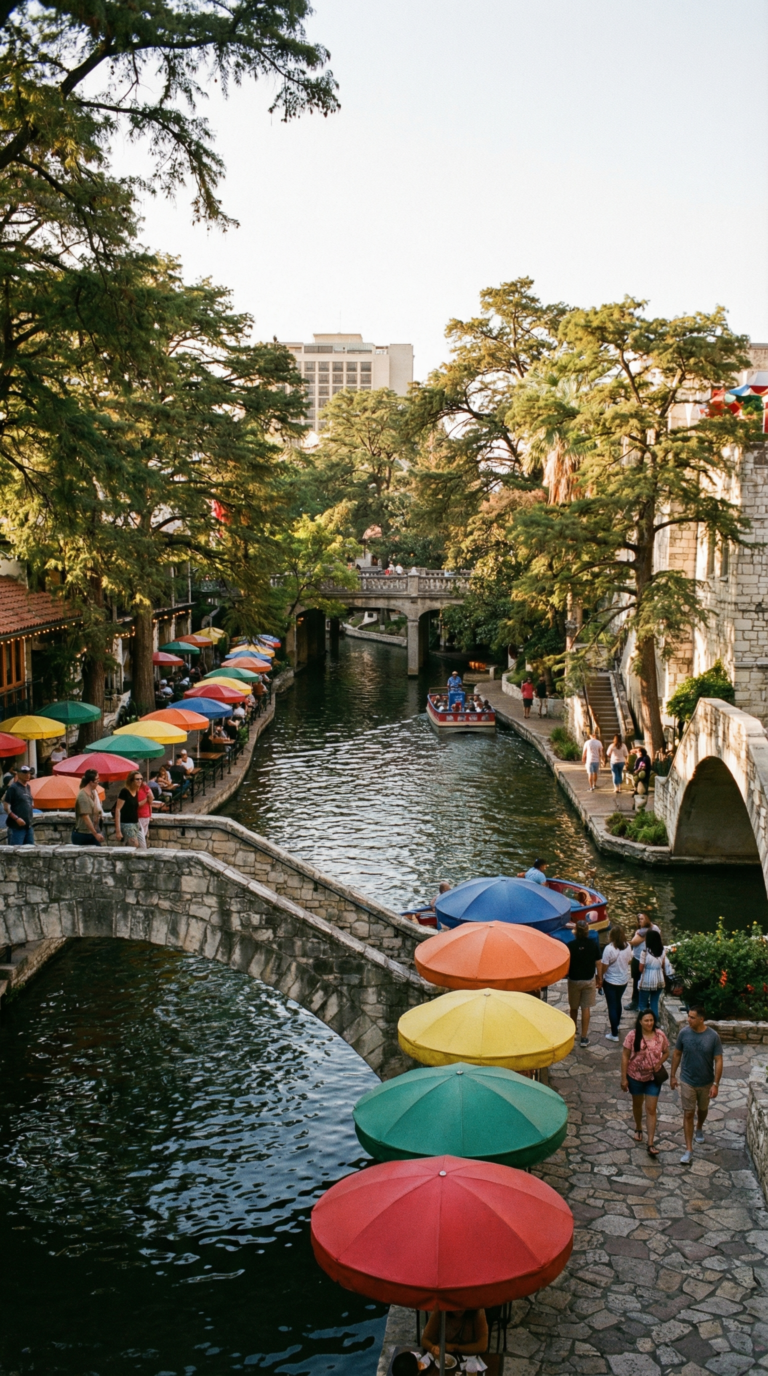
San Antonio sits three hours west on I-10. The River Walk winds through downtown, lined with restaurants under shade trees. The Alamo stands in the city center. Four Spanish missions form a UNESCO World Heritage Site. The San Antonio River Walk official visitor information helps you plan your visit.
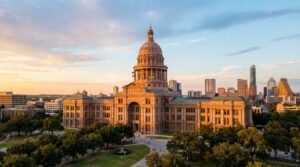
Austin is 2.5 hours northwest. Live music fills bars on Sixth Street every night. Food trucks serve tacos at all hours. Barton Springs Pool stays 68 degrees year-round.
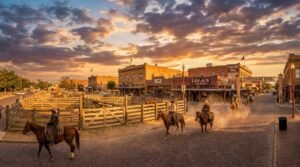
Dallas and Fort Worth make a combined trip four hours north. Dallas has the Sixth Floor Museum at Dealey Plaza. Fort Worth’s Stockyards host twice-daily cattle drives down brick streets.
Beach lovers can drive 3.5 hours south to Corpus Christi. The USS Lexington aircraft carrier sits permanently docked. The Texas State Aquarium houses Gulf marine life. Further south, Port Isabel and Aransas Pass offer quieter coastal towns. Isla Blanca Park sits at the southern tip of South Padre Island, reached by the Queen Isabella Causeway.
Waco lies 2.5 hours north. Magnolia Market draws crowds to Chip and Joanna Gaines’ shopping complex. The Dr Pepper Museum sits downtown.
For serious nature trips, Big Bend National Park requires an eight-hour drive west but rewards you with desert mountains and the Rio Grande. Palo Duro Canyon, five hours northwest, is the second-largest canyon system in America. Guadalupe Mountains National Park and Franklin Mountains State Park offer hiking in West Texas. Possum Kingdom Lake provides water sports three hours northwest.
Practical Information for Visiting Houston
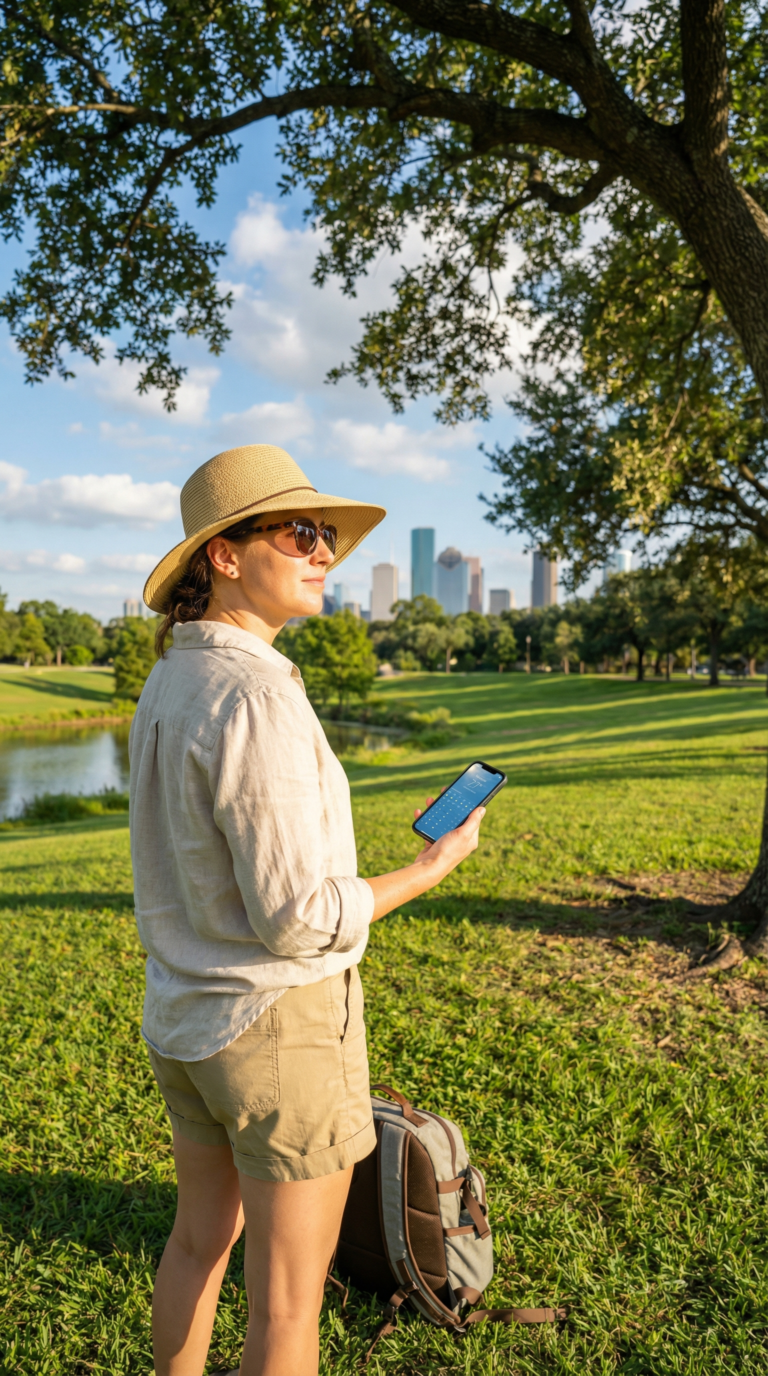
Houston has a subtropical climate with hot, humid summers and mild winters. Summer temperatures regularly hit 95°F with high humidity, making outdoor activities uncomfortable from June through September. The best time to visit runs from October through April, when temperatures stay in the 60s and 70s.
March in Houston offers ideal conditions. The weather stays pleasant, the Houston Rodeo draws crowds to NRG Stadium, and spring festivals fill the calendar. Other major Houston events include Houston Restaurant Week (held twice yearly in January and August), the Art Car Parade in April, and Free Press Summer Fest in June.
Hurricane season runs June through November. Hurricane Beryl struck in 2024, causing widespread damage and power outages. Check the National Weather Service Houston forecast before your trip. Tornadoes occur occasionally in spring, particularly in northwest Harris County.
Pack light, breathable clothing and strong sun protection. Bring an umbrella for sudden afternoon thunderstorms and a light jacket for heavily air-conditioned buildings. Houston dress codes stay casual everywhere except upscale restaurants. Most attractions offer indoor, climate-controlled spaces, making summer visits manageable if you plan around the heat.
Frequently Asked Questions
What is Houston best known for?
Houston earned the nickname “Space City” as home to NASA’s Johnson Space Center and Mission Control. The city also serves as the energy capital of America, with major oil and gas companies headquartered here. The Texas Medical Center is the largest medical complex in the world. Houston’s cultural diversity makes it a food lover’s destination, with restaurants representing over 70 nationalities. Each February, the Houston Livestock Show and Rodeo draws millions of visitors as one of the world’s largest rodeos.
Why is living in Houston so cheap?
Texas has no state income tax, which reduces the overall tax burden for residents. Abundant land around the city keeps housing costs lower than coastal cities like New York or San Francisco. Food, transportation, and services cost less across the board. Keep in mind that property taxes run higher to make up for the missing income tax. Summer air conditioning bills can also add up during the hot months.
Which state is Houston in the USA?
Houston sits in southeastern Texas, about 50 miles inland from the Gulf of Mexico. It’s the largest city in Texas and the fourth-largest in the United States. Most of the city lies within Harris County, though the metro area spreads into several surrounding counties.
Did Houston get hit by Hurricane Beryl?
Yes, Hurricane Beryl struck the Houston area in 2024, killing at least 22 people and causing widespread power outages and flooding. Hurricane season runs from June through November. Check weather forecasts before booking trips during these months.