Estimated reading time: 13 minutes
Last updated: January 2025
find Guadalupe Mountains National Park
Want to see Texas’ highest peak for yourself? Watch our Guadalupe Mountains National Park documentary in 4K Ultra HD.
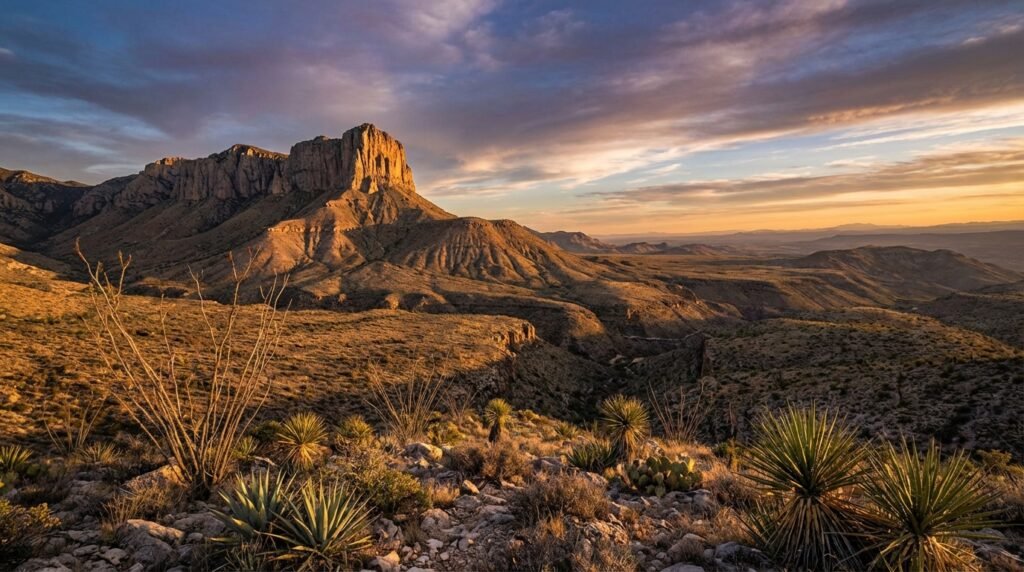
Guadalupe Peak stands at 8,751 feet, making it the highest point in Texas. This challenging summit draws hikers to one of America’s most remote national parks. Guadalupe Mountains National Park sees fewer visitors than almost any other park in the system, yet it protects something extraordinary: an ancient fossil reef that formed 265 million years ago when this desert landscape sat beneath a tropical sea.
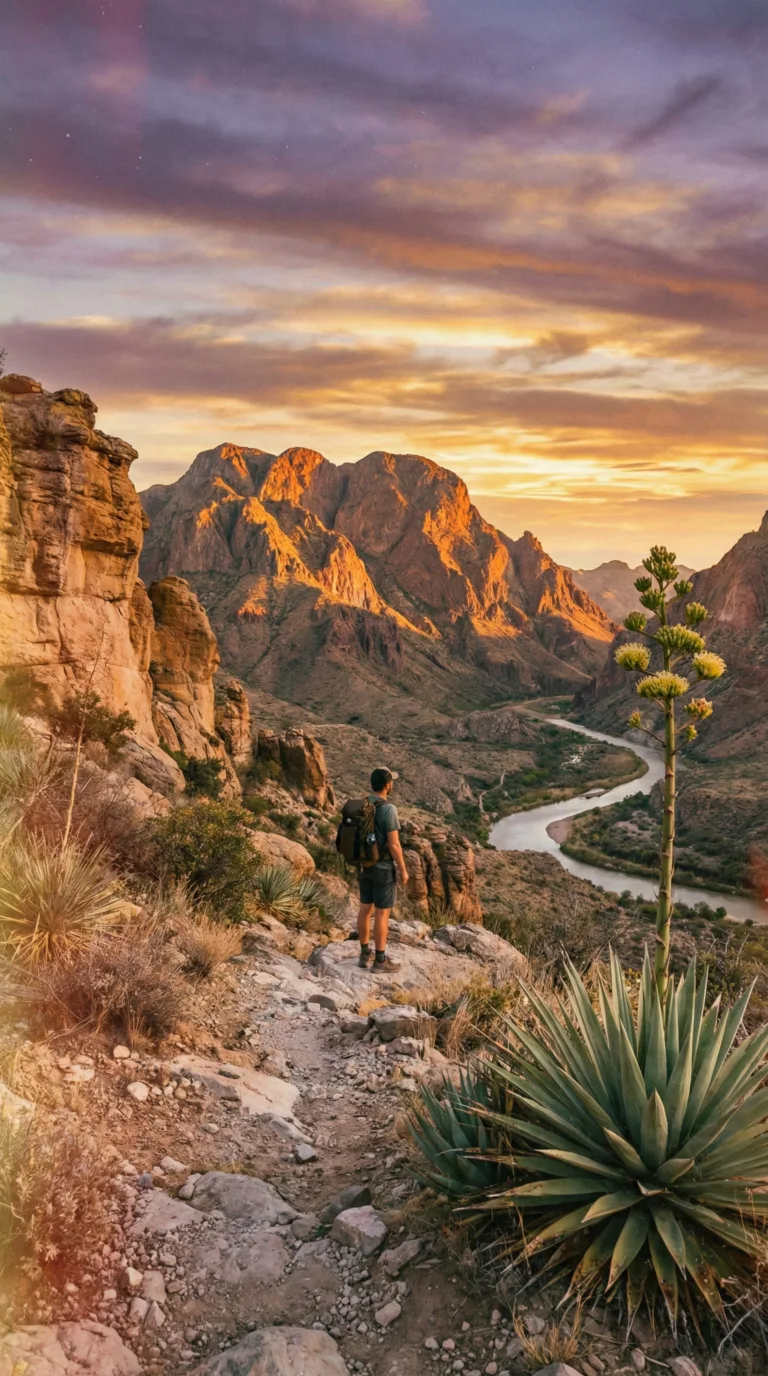
The park sits in far West Texas, right along the New Mexico border. You’ll not find crowds here. You’ll find rugged trails, some of the darkest night skies in the country, and fall foliage that turns the canyons gold each October. The limestone cliffs tell the story of an ancient ocean. The trails test your legs and reward you with views that stretch across two states.
This isn’t a park with visitor centers on every corner or paved paths to scenic overlooks. Guadalupe Mountains National Park Texas offers a backcountry experience. Facilities are minimal. Water is scarce. Cell service doesn’t exist. But if you want to stand on top of Texas and see what wild desert mountains really look like, this is where you come. Check the Official National Park Service Guadalupe Mountains National Park website before you visit for current trail conditions and weather alerts.
Top Trails and Attractions
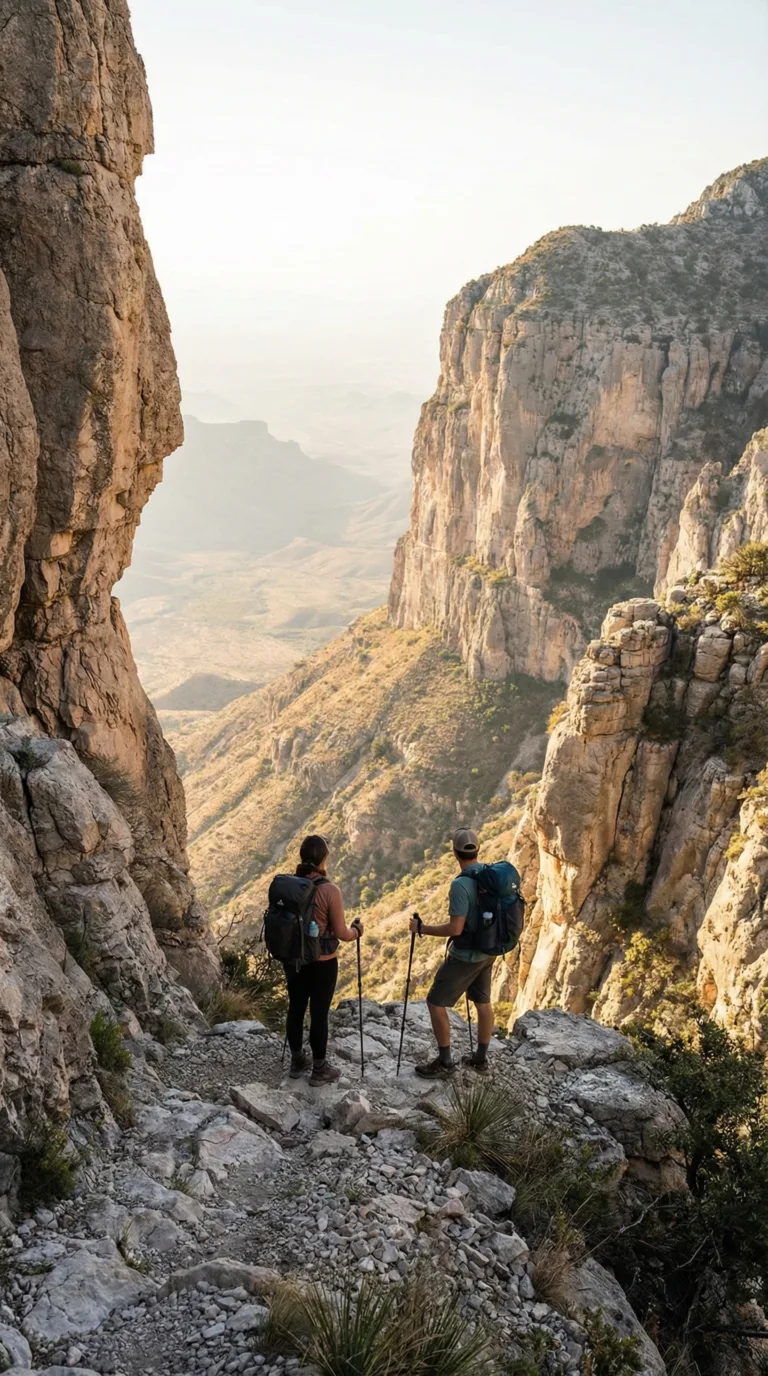
The gem of Guadalupe Mountains National Park is the Guadalupe Peak Trail, an 8.5-mile round trip climb to the highest point in Texas. At 8,751 feet, Guadalupe Peak offers a serious challenge with a 3,000-foot elevation gain over rocky, exposed terrain. This trail demands proper preparation. Bring plenty of water, start early to avoid afternoon heat, and check Alerts & Conditions for weather updates. The search term “guadalupe peak deaths” reflects the trail’s difficulty. Hikers have died from heat exhaustion, falls, and lightning strikes. Respect this mountain. The reward for your effort is a wide view across West Texas and into New Mexico.
For a gentler experience, McKittrick Canyon Trail delivers year-round beauty. In fall, the canyon explodes with rare autumn colors, thanks to bigtooth maples and other deciduous trees. This is unusual for Texas. The trail follows a seasonal stream through limestone walls, offering shade and cooler temperatures. It’s one of the most popular hikes in the park.
Devil’s Hall Trail takes you into a narrow slot canyon with towering rock formations. The 4.2-mile round trip hike is moderate and showcases the park’s unique geology. Speaking of geology, Guadalupe Mountains sits on an ancient Permian fossil reef, formed 265 million years ago when this area was an inland sea. The exposed limestone cliffs you see today were once a living reef.
Start your visit at the Pine Springs Visitor Center, located near the park entrance. Rangers provide trail maps, weather forecasts, and safety tips. The Visitor Centers page has current hours and services.
Wildlife viewing is excellent here. Mule deer graze near trails. Elk roam the high country. Mountain lions live in the park, though sightings are rare. Over 300 bird species pass through, making this a top spot for birdwatchers. At night, the park becomes one of the best places in Texas for stargazing. Minimal light pollution means you can see the Milky Way clearly.
The park’s history runs deep. Apache people lived here for centuries before ranchers arrived in the 1800s. Congress designated it a national park in 1972. For experienced hikers, backcountry permits allow multi-day trips into remote areas. To find more desert hiking, Franklin Mountains State Park near El Paso offers additional trails and desert landscapes.
Where to Stay Near Guadalupe Mountains
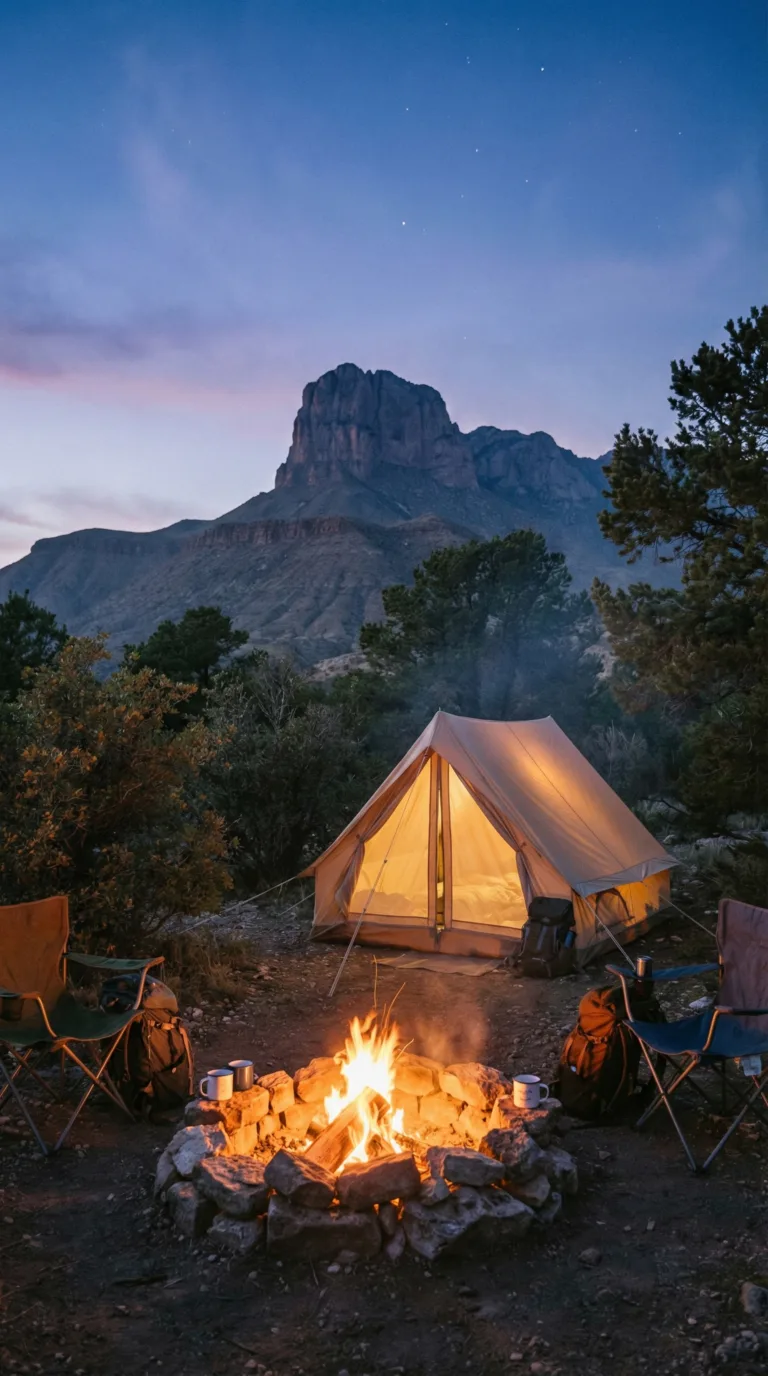
Camping is the best way to experience Guadalupe Mountains National Park. The park offers two developed campgrounds, both operating on a first-come, first-served basis with no reservations needed.
Planning Tip
Pine Springs Campground sits near the main visitor center and serves as the base for most hikers tackling Guadalupe Peak. This campground costs $8 per night and has 20 RV sites plus additional tent sites. RVs up to 40 feet can fit here, though hookups aren’t available. Water and restrooms are provided, but no showers. Sites fill quickly on weekends and holidays, so arrive early.
Dog Canyon Campground offers a more remote experience on the park’s north side. You access it from Highway 137 in New Mexico, about 70 miles from Pine Springs. This small campground has only nine sites and rarely fills up.
For backcountry camping, free permits are available at the visitor center. Check the Official NPS Guadalupe Mountains camping information and regulations before your trip.
The park has no cabins or lodges. The nearest hotels are in Whites City, New Mexico (35 miles) and Carlsbad, New Mexico (55 miles). Dell City, Texas (42 miles west) has basic motels. For more lodging options, El Paso sits 110 miles away. You can check Recreation.gov for campground reservations at nearby sites outside the park.
Getting to Guadalupe Mountains National Park
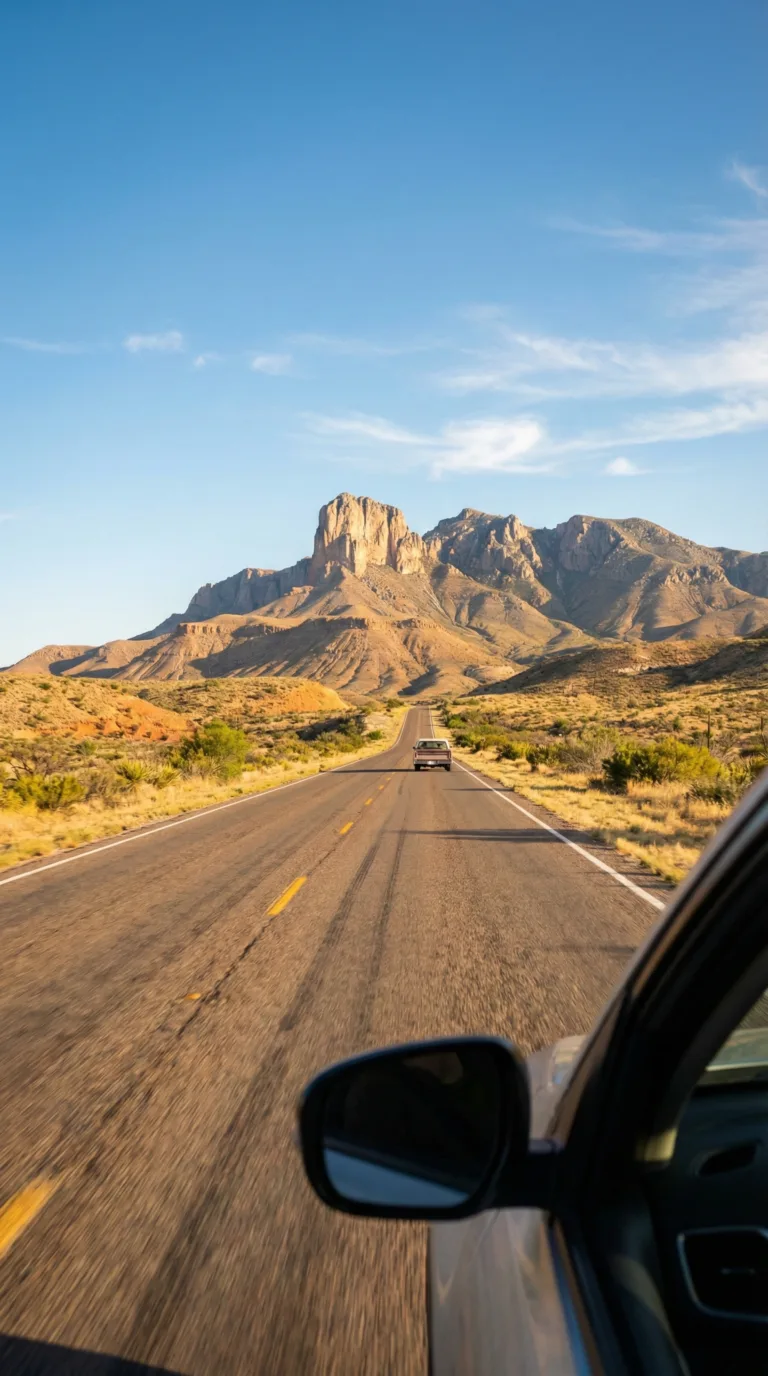
Guadalupe Mountains National Park sits in far West Texas along the Texas-New Mexico border on US Highway 62/180. This is one of the most remote national parks in the lower 48 states. The nearest major airport is in El Paso, about 110 miles west of the park. Plan on a 1.5 to 2-hour drive from El Paso. If you’re flying into a smaller airport, Carlsbad, New Mexico has a regional airport 55 miles west of the park entrance.
There’s no public transportation to Guadalupe Mountains National Park. You need a car. If you’re driving from major Texas cities, expect a long haul. From Dallas or Fort Worth, it’s about 450 miles and 7 hours. From Houston, it’s 570 miles and 9 hours. Austin is 450 miles away. San Antonio sits about 420 miles southeast. This is a true road trip destination.
The park has two main access points. Pine Springs is the main entrance, where you’ll find the visitor center. Dog Canyon sits on the north side of the park and is accessed from New Mexico via Highway 137. Most visitors use the Pine Springs entrance.
Fuel up before you arrive. The nearest gas stations are in Whites City, New Mexico (35 miles north) or Dell City, Texas (35 miles south). Bring a full tank, water, snacks, and any supplies you need. Check the official Directions and Maps page before you go. Cell service is spotty out here.
Budget and Entrance Fees
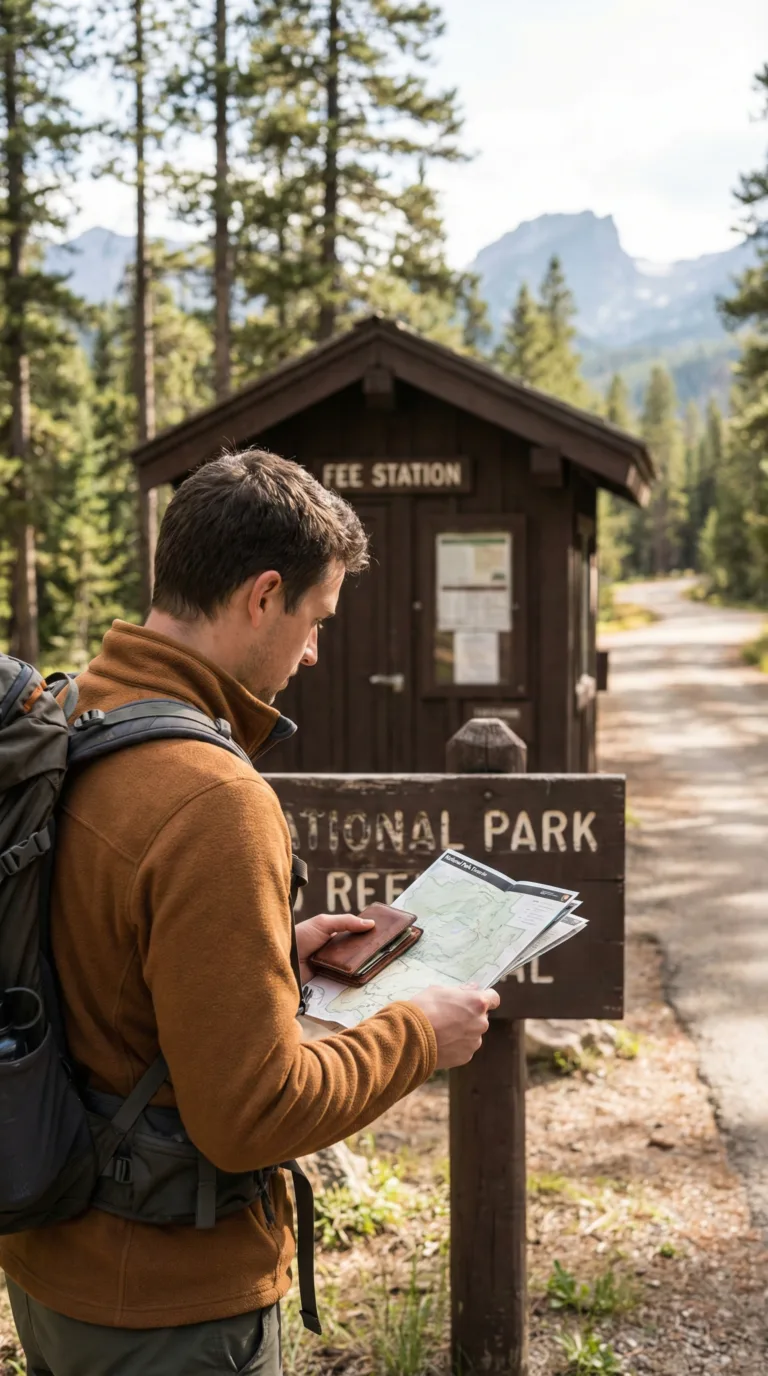
Here’s the best news for budget travelers: Guadalupe Mountains National Park charges no entrance fee. Unlike most national parks, you can drive right in and start exploring without paying a cent. No tickets or reservations are needed to enter the park either.
Planning Tip
Camping costs are equally affordable. Developed campgrounds at Pine Springs and Dog Canyon charge $8 per night. Backcountry camping permits are free, though you’ll need to register at the visitor center. For a full day trip, your only costs are food and supplies, making this one of the most budget-friendly national parks in Texas.
The nearest gas stations and grocery stores are 35 miles away in Carlsbad, New Mexico, or 110 miles west in El Paso. Stock up before you arrive. Bring all your food, water, and camping gear. There are no services inside the park.
An America the Beautiful Pass isn’t necessary here, but it’s worth having if you’re visiting other parks on the same trip. Check the official Fees & Passes page for current rates before you go.
Day Trips from Guadalupe Mountains
The closest major attraction sits just 35 miles northeast in New Mexico. Carlsbad Caverns National Park protects one of America’s greatest underground cave systems. You can drive there in under a hour from Pine Springs. The Official Carlsbad Caverns National Park website has current tour schedules and cave conditions.
Carlsbad Caverns offers a completely different experience from Guadalupe Mountains. Instead of hiking peaks, you descend into massive underground chambers filled with rock formations. The Big Room alone covers eight football fields. Evening bat flights from May through October add drama to any visit. Both parks actually protect the same ancient Capitan Reef, just from different angles. Guadalupe Mountains shows you the reef from above ground, while Carlsbad Caverns reveals what happened below.
Big Bend National Park lies about 200 miles south, making it better suited for a multi-day road trip than a true day trip. Combining both parks creates an epic West Texas adventure through desert mountains and river canyons. The drive takes roughly four hours each way. Check the Official Big Bend National Park website before planning this extension.
Other options include White Sands National Park in New Mexico (about three hours west) or El Paso for city dining and cultural sites. Palo Duro Canyon near Amarillo offers another Texas canyon experience, though it requires a longer drive north.
Best Time to Visit and What to Pack
Guadalupe Mountains National Park weather varies dramatically due to elevation changes from 3,650 to 8,751 feet. Temperatures can swing 30 degrees or more between the trailhead and summit. Wind is common at higher elevations, even on calm days below.
The best time to visit Guadalupe Mountains National Park is April through May and October through November. Spring and fall offer moderate temperatures perfect for hiking. Summer brings scorching heat at lower elevations, often exceeding 100°F. Winter can be harsh, with snow and ice at higher elevations.
Guadalupe Mountains National Park weather by month shows clear patterns. Spring months see mild days but cool nights. Summer is hot and dry. Fall brings cooler temperatures and the park’s famous fall foliage. McKittrick Canyon displays Texas’ best autumn colors from late October to mid-November. Does it snow in Guadalupe Mountains National Park? Yes. Winter storms can blanket higher elevations, making trails icy and dangerous.
Guadalupe Peak weather differs significantly from conditions at the base. The summit can be 20 to 30 degrees cooler than the trailhead. Always check the National Weather Service forecast for Guadalupe Mountains area before hiking. The Official NPS Guadalupe Mountains weather and climate information page provides detailed seasonal information.
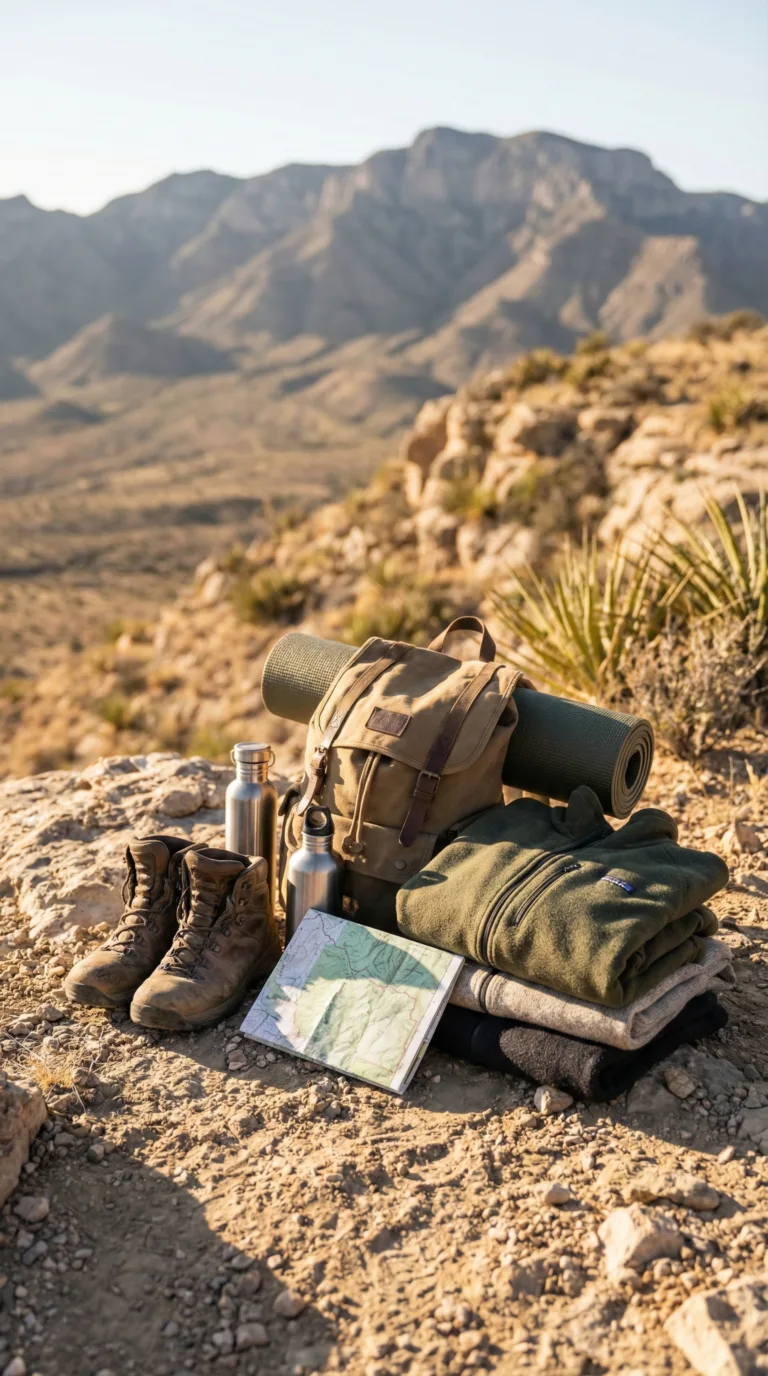
Guadalupe Mountains National Park climate is high desert. Expect extreme temperature swings between day and night. Pack layers you can add or remove. Bring at least one gallon of water per person per day. There are no water sources on trails. Sturdy hiking boots with ankle support are essential. Sun protection is critical, including hat, sunglasses, and sunscreen. Start hikes early to avoid afternoon heat and thunderstorms.
After exploring the Guadalupe Mountains, many visitors continue their Texas adventure at Big Bend National Park, located about 200 miles southeast along the Rio Grande.
The nearest major city to Guadalupe Mountains is El Paso, where outdoor enthusiasts can also explore Franklin Mountains State Park, one of the largest urban wilderness parks in the country.
Planning a longer trip through the Lone Star State? Our comprehensive Texas travel guide covers the best destinations from coast to canyon country.
For another spectacular canyon experience in Texas, consider visiting Palo Duro Canyon in the panhandle, often called the “Grand Canyon of Texas.”
Frequently Asked Questions
Is it worth going to Guadalupe Mountains National Park?
Absolutely, especially if you love hiking and want to escape the crowds. This is one of America’s least-visited national parks, which means you’ll have trails mostly to yourself. You can climb Texas’ highest peak, explore an ancient fossil reef, and enjoy some of the darkest skies in the country. The fall foliage in McKittrick Canyon is unlike anything else in Texas.
Still, this park is best for adventurous travelers who are comfortable with rugged, remote conditions. There are no lodges, restaurants, or easy scenic drives. If you prefer parks with lots of amenities and accessible viewpoints, this might not be your first choice.
What is special about Guadalupe Mountains National Park?
The park protects the world’s most extensive Permian fossil reef, formed 265 million years ago when this area was underwater. Guadalupe Peak stands at 8,751 feet, making it the highest point in Texas. McKittrick Canyon offers the best fall foliage display in the state, with bigtooth maples turning brilliant red and gold.
The park also features exceptional dark sky viewing with almost no light pollution. You’ll find diverse ecosystems ranging from Chihuahuan Desert at lower elevations to coniferous forest at the peaks, all within a few miles of elevation change.
Is Big Bend or Guadalupe better?
Both parks are excellent, but they offer different experiences. Guadalupe Mountains is better for serious hiking, more compact, and less crowded. The temperatures are cooler, and you can explore the entire park in one or two days.
Big Bend has more diverse landscapes, including mountains, desert, and the Rio Grande. It offers more visitor services, better scenic drives, and a wider variety of activities. If you have time, visit both on a West Texas road trip. For a quick hiking-focused weekend, choose Guadalupe. For a longer stay with varied activities, Big Bend is the better option.
What is the closest town to Guadalupe Mountains National Park?
Dell City, Texas (42 miles west) and Carlsbad, New Mexico (55 miles east) are the nearest towns with real services like grocery stores and hotels. Whites City, New Mexico (35 miles northeast) has limited services but is the closest place for gas and basic supplies.
El Paso, Texas is 110 miles west and is the nearest major city with an airport, hotels, and full services. The park is extremely remote. Plan to arrive with a full tank of gas, plenty of water, and all the food you’ll need.
What is the best time of year to visit Guadalupe Mountains National Park?
April through May and October through November offer the most comfortable hiking temperatures. Late October to mid-November is peak season for fall foliage in McKittrick Canyon, when the bigtooth maples turn brilliant colors.
Summer (June through August) is very hot at lower elevations, though higher elevations can be pleasant. Afternoon thunderstorms are common. Winter (December through February) can be harsh with snow and ice at higher elevations. Some trails may be impassable. Spring brings wildflower blooms and moderate temperatures before the summer heat arrives.
For more detailed information, visit the Official NPS Guadalupe Mountains frequently asked questions page.