Estimated reading time: 16 minutes
Last updated: 13 April 2026
Table of Contents
- Welcome to Bellingham: Where Mountains Meet the Sea
- Top Things to Do in Bellingham
- Where to Eat in Bellingham
- Where to Stay in Bellingham
- Getting to and Around Bellingham
- Day Trips from Bellingham
- Practical Information for Visiting Bellingham
- Frequently Asked Questions
Welcome to Bellingham: Where Mountains Meet the Sea
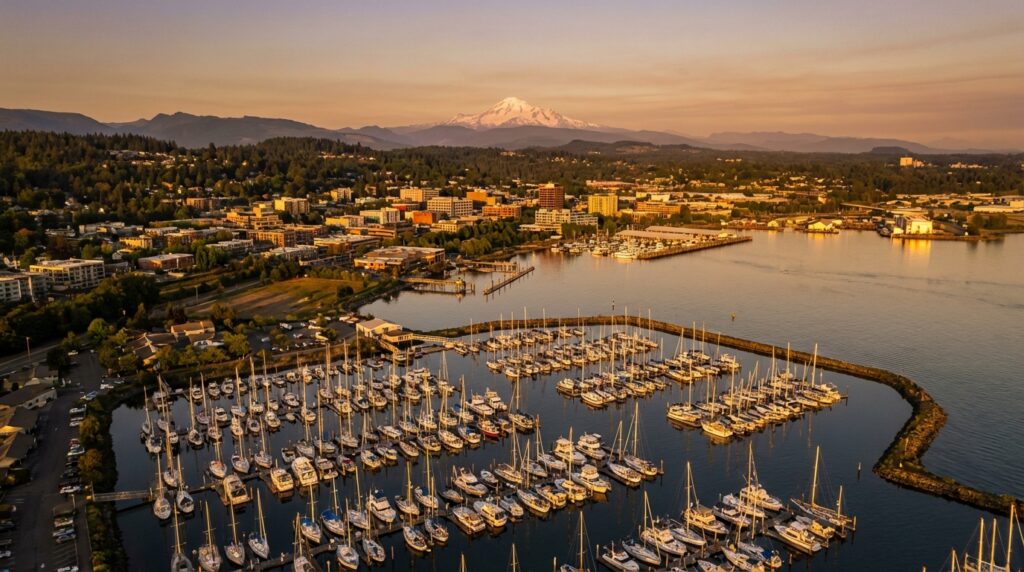
Bellingham sits 90 miles north of Seattle and 52 miles south of Vancouver, with a population of 94,720 and direct access to Bellingham Bay, Mount Baker, and the San Juan Islands.
Sources and Methodology
We built this guide using Bellingham’s official tourism board, Washington state resources, and feedback from travelers who’ve explored the area. All details about attractions, fees, and logistics were current when this was written. Since things change seasonally, check directly with local venues and the visitor center before heading out.
Want to see Bellingham’s natural beauty in action? Watch our complete Bellingham travel guide in 4K.
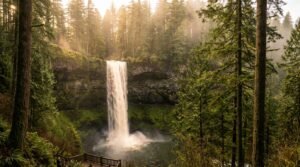
Whatcom Falls Park pulls you in first. Water crashes over basalt shelves. Cedar branches filter the light into green fragments. The wooden footbridge spans the gorge where thousands of visitors stand each year, phones out, trying to capture what their eyes see better anyway. Trails snake through 241 acres of old-growth forest just ten minutes from downtown.
This city occupies the northwest corner of Washington State. Seattle sits 90 miles south according to Washington State Department of Transportation route data. Vancouver BC is 52 miles north, close enough that Canadian license plates fill half the grocery store parking lots on weekends. The U.S. Census Bureau pegged Bellingham’s population at 94,720 in 2023, up 4.2% since the 2020 count.
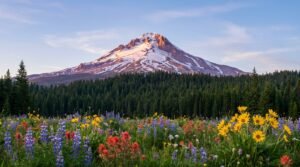
Bellingham Bay curves along the western edge. The Cascade Range rises to the east. Mount Baker’s 10,781-foot peak dominates the skyline when clouds permit. You can kayak saltwater in the morning and hike alpine meadows by afternoon. The San Juan Islands float offshore like scattered puzzle pieces.
People move here for the access. Hikers want trailheads within city limits. Kayakers want launch points that don’t require highway drives. Cyclists want separated bike lanes that actually go places. The Official Bellingham Whatcom County Tourism office tracks this stuff, outdoor recreation drives the local economy harder than any other sector.
The food scene runs deeper than you’d expect for a city this size. Craft breweries occupy old industrial buildings. Farm-to-table restaurants source from Whatcom County fields. Asian fusion spots and taco trucks operate next to espresso stands that take coffee as seriously as Portland does.
This isn’t a weekend getaway city. It’s a base camp. You stay here and radiate outward, to the islands, to the mountains, to two countries’ worth of coastline. Check the City of Bellingham visitor information for current trail conditions and ferry schedules before you pack.
Top Things to Do in Bellingham
Whatcom Falls Park features a 241-acre network of trails, four waterfalls, and a historic stone bridge, while the Interurban Trail spans 6.5 miles connecting Bellingham to Larrabee State Park with Bellingham Bay views.
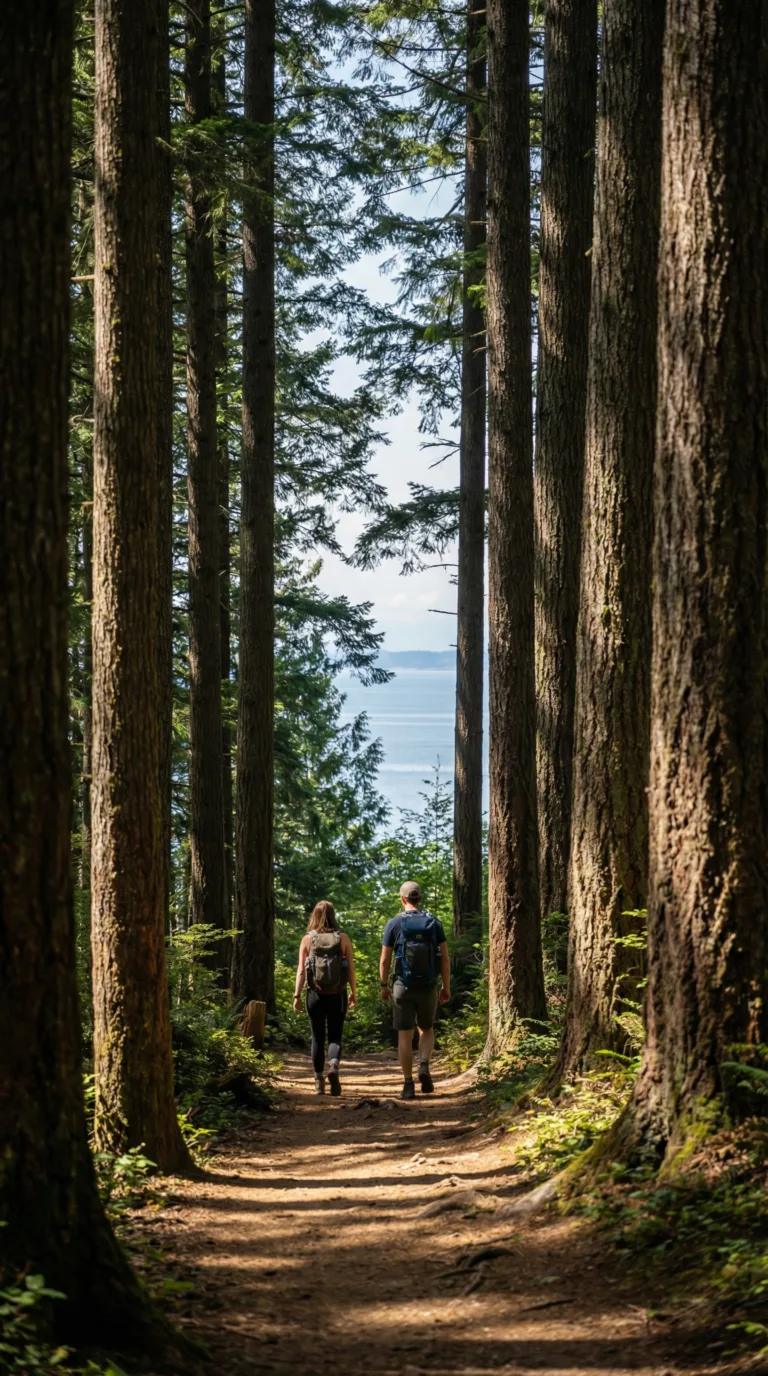
Whatcom Falls Park draws more visitors than any other attraction in Bellingham. The park sprawls across 241 acres of old-growth forest. Four waterfalls cascade through the property, each accessible by maintained trails. The stone bridge near the main falls dates to the 1930s, locals use it as a photo backdrop year-round.
The trail system connects to Whatcom Creek, which runs through the entire park. You can walk from the upper falls to the lower falls in about 45 minutes. Families bring kids to wade in the shallow pools during summer. Dogs are allowed on-leash throughout the park.
The Interurban Trail runs 6.5 miles along an old electric railway corridor. It’s paved the entire way. Cyclists and runners use it daily. The trail starts near Fairhaven and ends at Larrabee State Park, Washington’s first state park. You get views of Bellingham Bay through gaps in the trees. The trail connects to dozens of neighborhood access points, making it easy to jump on for a quick ride or a longer workout.
Planning Tip
Bellingham Bay offers kayaking and paddleboarding from spring through fall. The water stays cold, around 50°F even in August, so most people wear wetsuits. Several outfitters rent equipment near the marina. The bay’s protected waters make it manageable for beginners. On clear days, you can see the San Juan Islands to the west.
Regal Bellingham operates the main movie theater downtown. It’s a standard multiplex with stadium seating and the usual concessions. Not much to say beyond that, it’s a cinema.
Mountain biking trails crisscross Galbraith Mountain just south of town. The network includes over 50 miles of singletrack. Trail difficulty ranges from beginner-friendly flow trails to technical descents with rock gardens and root sections. The mountain is managed by the Whatcom Mountain Bike Coalition, which maintains the trails through volunteer work days.
Mount Baker sits 90 minutes east of Bellingham. The ski area receives an average of 663 inches of snow per year, more than any other ski resort in North America, according to Mount Baker Ski Area records. The season often runs from November through April. Day passes cost around $89 for adults during the 2025-26 season.
Bellingham hosts a year-round farmers market downtown every Saturday. From April through December, vendors set up at Depot Market Square. The winter market moves indoors to the Cruise Terminal. You’ll find local produce, baked goods, and prepared foods. Attendance peaks during summer months when berry season hits.
Diablo Lake sits about 90 minutes east in North Cascades National Park. The turquoise water comes from glacial flour, fine sediment suspended in the lake. The color is most vivid from July through September. You can drive to several overlooks along Highway 20, or hike down to the shoreline on the Diablo Lake Trail. Ross Lake lies further north along the same highway. It’s a reservoir that stretches 23 miles into Canada. The lake is popular for multi-day kayak camping trips, though most day visitors stick to the southern access points near the dam.
Where to Eat in Bellingham
Bellingham’s dining scene features over 200 restaurants ranging from waterfront seafood establishments to farm-to-table bistros, craft breweries, and international cuisine, with Anthony’s being among the most searched dining destinations.
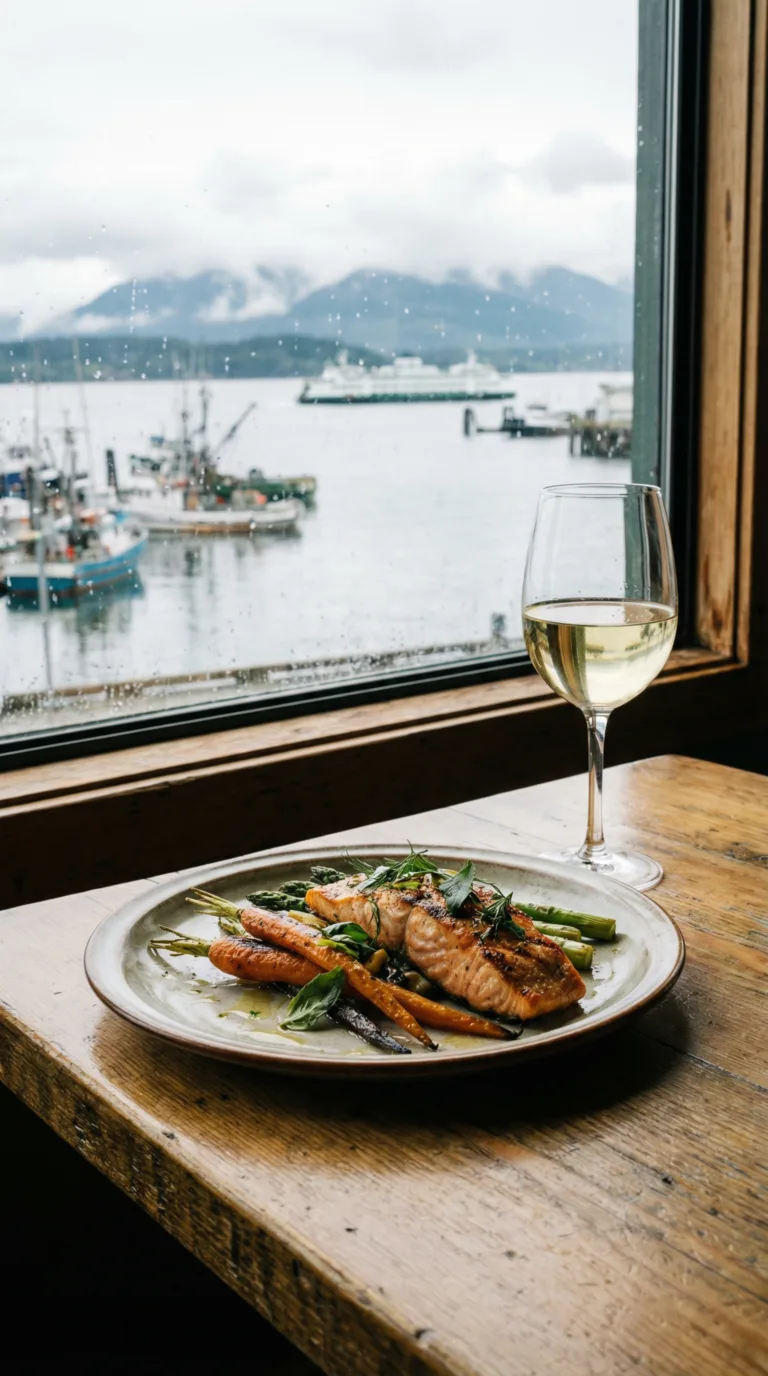
Bellingham’s food scene runs on Pacific Northwest seafood and farm-to-table ingredients. The city sits between fishing waters and agricultural valleys, so restaurants pull from both. According to the Bellingham Whatcom County dining guide, the city supports over 200 restaurants and breweries, a high density for a population of 94,000.
Anthony’s Bellingham anchors the waterfront dining strip. This seafood restaurant serves wild-caught salmon, Dungeness crab, and oysters with direct views of Bellingham Bay. Locals pack the patio in summer. Expect to pay $25, $40 per entrée.
The restaurant variety splits into clear categories. Craft breweries dominate the downtown core, many serve full menus alongside their taps. International options include Thai, Vietnamese, Mexican, and Indian spots. Upscale farm-to-table bistros cluster near Fairhaven. Casual cafes fill the gaps with breakfast sandwiches and espresso.
Western Washington University shapes the dining landscape. Students drive demand for cheap eats, so you’ll find plenty of $8 pho bowls and $12 burrito plates. The university crowd also supports experimental menus and late-night service.
Farmers markets run year-round here. The Saturday market at Depot Market Square pulls 3,000+ visitors weekly during peak season. Restaurants source directly from these vendors, menus change with the harvest calendar.
Where to Stay in Bellingham
Bellingham’s accommodation options include waterfront hotels near Bellingham Bay, downtown properties within walking distance of restaurants and attractions, and budget-friendly motels, with rates typically ranging from $80-250 per night depending on season and location.
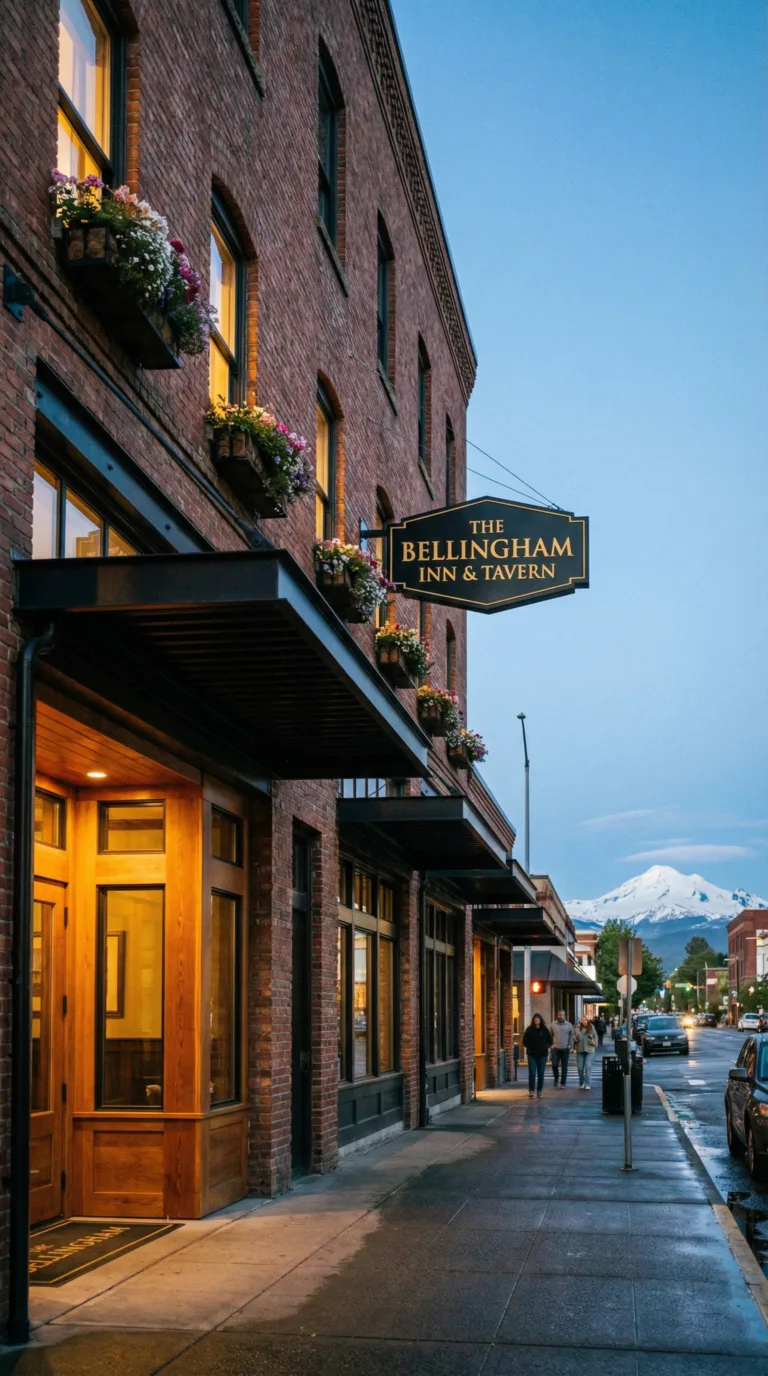
Hotels in Bellingham Washington fall into three main categories. Waterfront properties line the bay with direct views of the San Juan Islands. Downtown hotels put you within three blocks of craft breweries and farm-to-table restaurants. Budget motels cluster near the I-5 corridor and the airport.
Stay downtown if you plan to walk. Most downtown Bellingham hotels sit within a 10-minute walk of Boundary Bay Brewery and the farmers market. You won’t need a car for dinner or weekend entertainment.
Waterfront hotels cost more. Expect to pay $180-250 per night in summer for bay views. The same properties drop to $120-160 in January and February. Downtown boutique hotels run $140-200 in peak season, $90-140 in winter.
Budget travelers find rooms near the airport for $80-110 year-round. These properties sit 15 minutes from downtown by car. You’ll need wheels to reach restaurants and attractions.
Consider proximity to your plans. Hotels in Bellingham Washington State near Whatcom Falls Park work well for hikers. Properties near Western Washington University fill up during graduation and move-in weekends. Book early if you’re visiting in September or June.
Summer rates peak from July through early September, according to the Bellingham Whatcom County Tourism board. Shoulder season (April-June, September-October) offers the best value, lower prices, fewer crowds, decent weather.
Vacation rentals and bed-and-breakfasts provide alternatives to standard hotels. Browse the official Places to Stay listings for current options and availability.
Getting to and Around Bellingham
Bellingham International Airport is located 3 miles northwest of downtown with direct flights from major West Coast cities, while Interstate 5 provides easy driving access 90 miles north of Seattle and 52 miles south of the Canadian border.
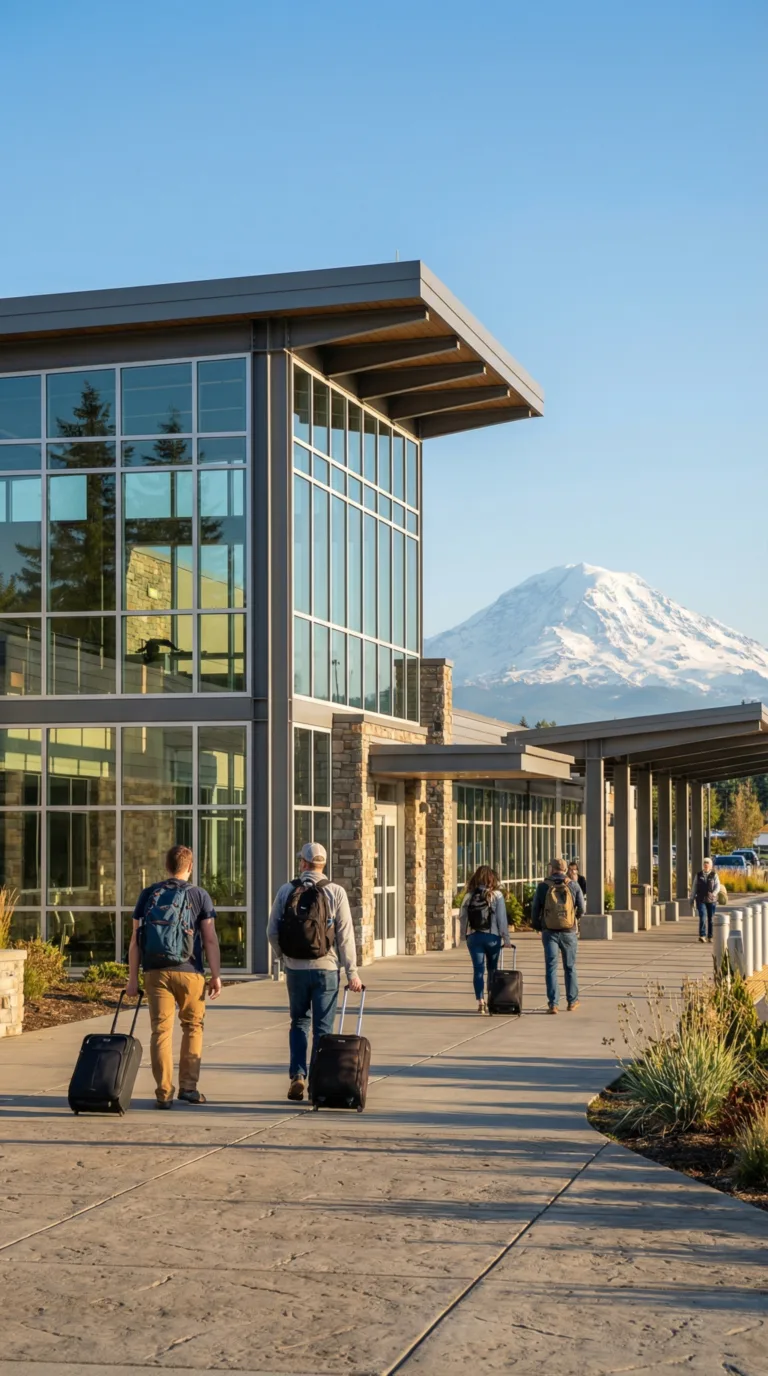
Bellingham International Airport sits just 10 minutes from downtown. According to the Port of Bellingham, the airport serves 4 airlines with direct flights to 11 destinations including San Francisco, Las Vegas, and Anchorage. Alaska Airlines handles most routes. The drive with the terminal and downtown Bellingham takes 8 minutes in light traffic.
Driving from Seattle takes 90 minutes via Interstate 5 north. The route is straightforward. Exit 253 drops you into downtown. The Canadian border crossing at Peace Arch lies 52 miles north, about 50 minutes without border wait times.
Car rentals operate at the airport through Hertz, Budget, and Enterprise. Uber and Lyft both service Bellingham. You’ll need a car to reach the state parks and hiking trailheads. Downtown itself is walkable. Most restaurants and shops cluster within a 10-block radius.
Whatcom Transportation Authority (WTA) runs 31 bus routes throughout the city. Route 4 connects the airport to downtown for $1 per ride. Buses run every 30 minutes on weekdays.
Street parking downtown costs $1.50 per hour at meters. The Parkade garage on Grand Avenue charges $1 per hour with a $10 daily maximum.
Day Trips from Bellingham
Bellingham sits within 90 miles of Seattle, 52 miles from Vancouver BC, 2 hours from Olympic National Park, and 2.5 hours from Mount Rainier National Park, making it an ideal base for exploring the Pacific Northwest’s top destinations.
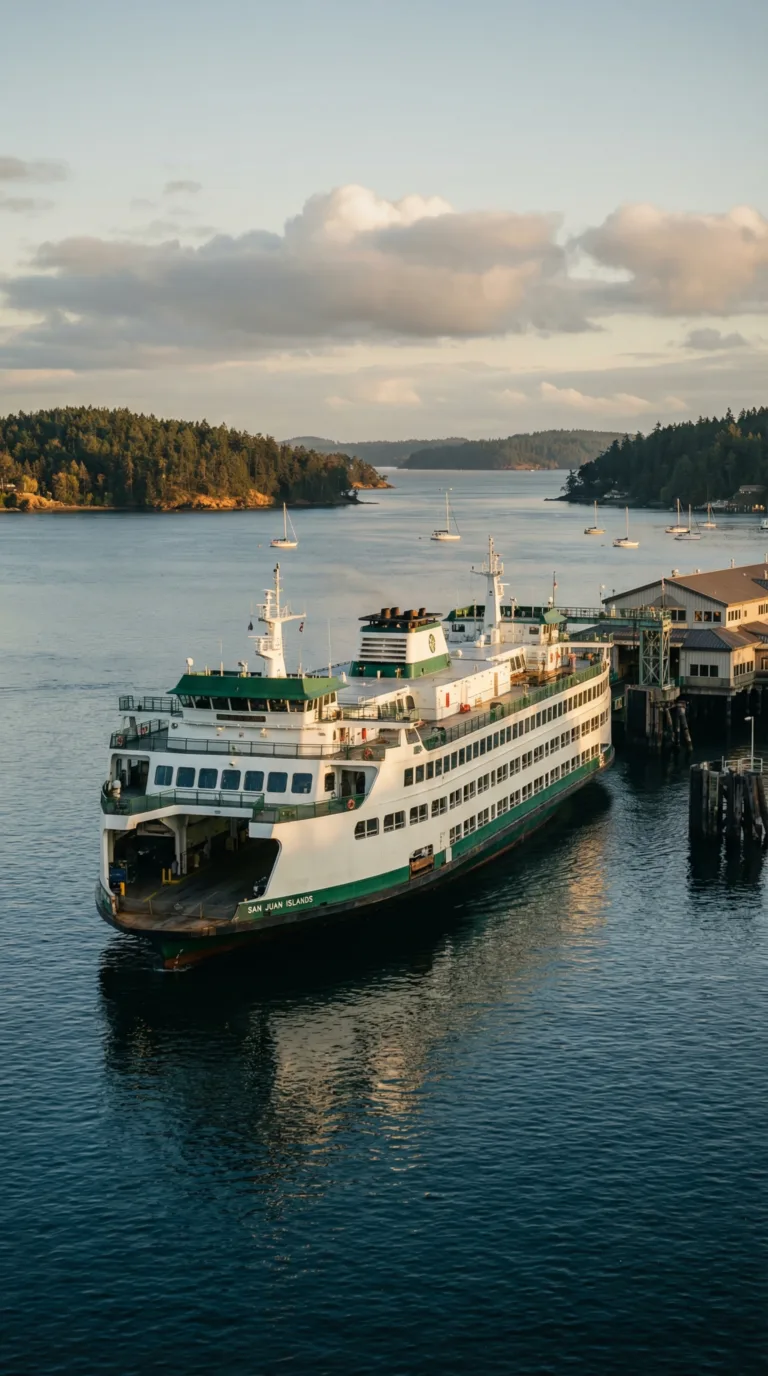
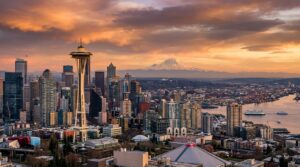
The Bellingham location puts you in range of half a dozen top-quality destinations. Drive 90 miles south and you hit Seattle in under two hours. Pike Place Market opens at 9 a.m. The Space Needle costs $37.50 for adults. Traffic clogs I-5 after 3 p.m. on weekdays, plan around it.
Head north 52 miles and you reach the Canadian border. Vancouver sits just beyond. The Peace Arch crossing averages 30-minute waits on weekends. Bring your passport. Gas is cheaper on the U.S. side, fill up before you cross.
Olympic National Park lies two hours west. The park logged 2.7 million visitors in 2024, according to the National Park Service. You can hike temperate rainforest trails at the Hoh Rain Forest, walk rocky Pacific beaches at Rialto Beach, or climb alpine ridges at Hurricane Ridge. The $30 vehicle pass covers seven days.
Mount Rainier National Park sits 2.5 hours southeast. The volcano rises to 14,411 feet. Wildflower meadows peak in late July. The park recorded 1.67 million visitors in 2024. Paradise and Sunrise are the main visitor areas, both require chains or snow tires from November through May.
Whidbey Island stretches south along the coast. Deception Pass State Park spans the island’s northern tip. Fort Casey has bunkers and a lighthouse. Diablo Lake and Ross Lake glow turquoise from glacial flour, drive Highway 20 through the North Cascades for the best views. Skagit Valley erupts in tulips every April. Tacoma has the Museum of Glass and a revitalized waterfront. Bellevue offers upscale shopping at Bellevue Square if Seattle’s crowds wear you down.
Practical Information for Visiting Bellingham
Bellingham receives 38 inches of annual rainfall with temperatures ranging from 35-45°F in winter to 60-75°F in summer, making July through September the driest and most popular months for visiting.

Pacific Northwest weather runs the show here. Bellingham weather means rain from October through March, sometimes 5 inches in a single month according to NOAA climate data. Winter temps hover between 35°F and 45°F. Snow stays in the mountains. The city gets drizzle.
Summer flips the script. July and August see temps between 60°F and 75°F with minimal rain. The National Weather Service reports these months average under 2 inches of precipitation combined. Daylight stretches past 9 PM in June.
Pack layers regardless of season. A waterproof shell goes in your bag year-round. Hiking boots handle muddy trails. Spring visitors catch tulip fields blooming in nearby Skagit Valley from late March through April, but expect rain gear weather.
Winter trades crowds for solitude. Mount Baker Ski Area gets 600+ inches of snow annually while the city stays wet but snow-free. Daylight shrinks to 8 hours by December. Summer brings festivals and peak trail conditions but also peak hotel rates.
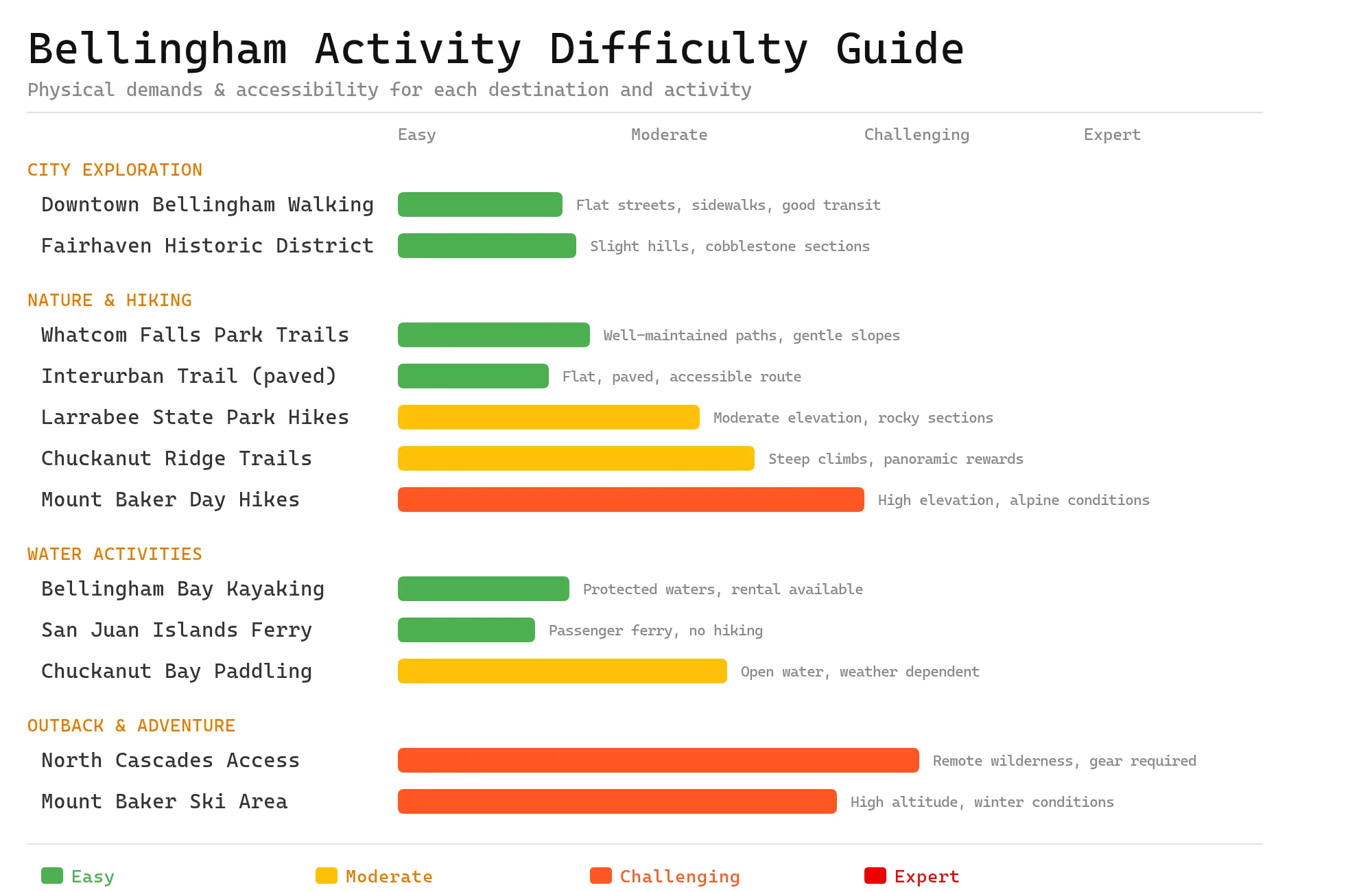
Activity Difficulty Guide
Bellingham offers great activity diversity, from accessible waterfront walks to challenging alpine adventures. The city serves as a gateway to both gentle bay-side trails and demanding Cascade Range expeditions, with most attractions requiring only basic fitness levels.
Frequently Asked Questions
Is Bellingham closer to Seattle or Vancouver?
Bellingham sits 52 miles south of Vancouver, BC and 90 miles north of Seattle. Vancouver wins. The city sits just 21 miles south of the Canada-US border, making cross-border day trips easy. This location makes Bellingham a practical base for exploring both the Pacific Northwest US and British Columbia without committing to either metro area’s higher costs.
What is Bellingham Washington known for?
Bellingham is an outdoor recreation hub with extensive hiking, biking, and kayaking access. Whatcom Falls Park, the Interurban Trail, and proximity to Mount Baker ski area (90 minutes away) define the city’s identity. The food scene and craft brewery culture rival cities twice its size. Western Washington University anchors the local economy and cultural calendar. It’s also the primary gateway city to the San Juan Islands and North Cascades.
Why are so many people moving to Bellingham?
People relocate here for mountain biking, hiking, skiing at Mount Baker, and water sports on Bellingham Bay, all within 30 minutes of downtown. The city delivers a high quality of life with a smaller population but access to Seattle and Vancouver when needed. The job market is strong in education (Western Washington University), healthcare, and the outdoor industry. Housing costs less than Seattle while maintaining the same Pacific Northwest lifestyle and natural beauty access.
What is the best time to visit Bellingham?
July through September delivers the driest weather and warmest temperatures, ranging from 60 to 75 degrees Fahrenheit. Spring (April through May) brings the Skagit Valley tulip festival and wildflowers, though expect rain. Winter (December through February) means rain in the city but excellent skiing at Mount Baker. Summer also offers the longest daylight hours and the most festivals and outdoor events.
How do I get to Bellingham?
Fly into Bellingham International Airport, located 3 miles from downtown, with connections from major West Coast cities. Drive via Interstate 5, 90 miles north of Seattle (1.5 to 2 hours) or 52 miles south of the Canadian border. Amtrak Cascades train service connects Bellingham to Seattle, Portland, and Vancouver, BC. Downtown is walkable once you arrive, but rent a car for exploring parks and day trips.