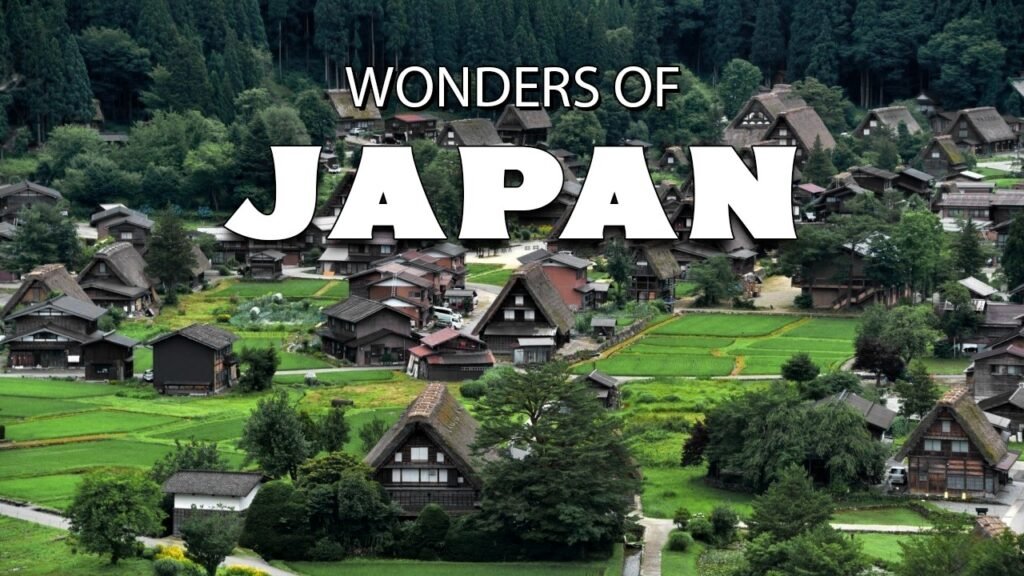
Japan offers a perfect fusion of ancient traditions and cutting-edge technology, making it one of the world’s most fascinating travel destinations. From Tokyo’s neon-lit skyscrapers to Kyoto’s calm temples, this island nation welcomes visitors with great landscapes, rich cultural experiences, and unmatched hospitality.
In my full travel documentary, this guide takes you through the most amazing places in Japan, showcasing the country’s diverse beauty in impressive 4K resolution.
Join me on a great journey through Japan’s lesser-known spots and iconic landmarks:
Tokyo: The Dynamic Heart of Japan
Tokyo is a perfect example of how a city can blend ultramodern innovation with centuries-old traditions. As I wandered through this large metropolis, I was struck by the harmonious contrast between towering skyscrapers and quiet parks. Shinjuku, Known for its impressive skyline, also surprised me with peaceful retreats like Shinjuku Gyoen where locals and tourists alike escape the urban rush.
How This Guide Was Researched
This guide draws on verified tourism data, local transport and accommodation research, and real traveler experiences. Budget figures and seasonal details were current at the time of writing. Always check official sources for the most up-to-date information.
A short train ride away, Asakusa offers a glimpse into Tokyo’s rich history. The famous Sensoji Temple isn’t just a place of worship but a gateway to understanding Japan’s cultural heritage. Walking down Nakamise Street, I sampled traditional snacks and browsed through shops selling authentic souvenirs.
Tokyo also holds the title of culinary capital of the world, boasting more Michelin-starred restaurants than any other city. From master-crafted sushi to steaming bowls of ramen, every meal feels like a celebration of flavor and precision.
Shibuya Crossing: Tokyo’s Iconic Intersection
Located right in front of Hachiko exit at Shibuya Station, this famous crossing has become one of the busiest intersections in the world. During my visit, I was mesmerized by the organized chaos as thousands of people cross in multiple directions when the lights change.
The surrounding buildings with their massive billboards and bright LED screens create a memorable backdrop. At night, the area becomes even more dazzling as the lights reflect off the streets, creating a spectacle that’s frequently featured in movies and travel blogs.
Sensoji Temple: Tokyo’s Oldest Buddhist Temple
Built in 645 AD, Sensoji Temple is Tokyo’s oldest religious landmark. this guide began at the towering Kaminarimon Gate with its massive red lantern and statues of the gods of thunder and wind. Passing through, Turns out myself on Nakamise Street, a lively avenue lined with shops offering traditional crafts and local treats.
The temple’s main hall radiates timeless elegance, while the five-story pagoda serves as a symbol of peace rising gracefully into the sky. Throughout the year, Sensoji hosts festivals filled with music, dance, and lively decorations, making it a living center of Japanese tradition rather than just a historical monument.
Beyond Tokyo: Discovering Japan’s Treasures
Kamakura: Coastal Charm and History
Set Japan’s scenic coastline, Kamakura once served as the political center of the country during the Kamakura period. Often called “The Kyoto of Eastern Japan,” this charming city offers a rich cultural heritage and natural beauty just a short trip from Tokyo.
The Great Buddha (Daibutsu) is Kamakura’s most iconic landmark, a towering bronze statue over 13 meters tall that has weathered centuries of history. Beyond this, This guide explores numerous temples and shrines, each offering unique insights into Japan’s spiritual traditions.
For nature lovers, Kamakura’s hiking trails wind through wooded hills with impressive coastal views, while Yuigahama Beach provides a perfect spot to relax by the sea.
Hakone: Hot Springs and Mountain Views
Found the shadow of Mount Fuji, Hakone is Japan’s most famous hot spring destination. This scenic town combines natural beauty, relaxation, and cultural heritage just a short distance from Tokyo.
During my visit, I soaked in mineral-rich onsen waters while taking in the great landscapes. Lake Ashi offered great views of Mount Fuji on clear days, with the iconic red torii gate of Hakone Shrine adding spiritual quiet to the scene.
The Hakone Ropeway provided spectacular aerial views of steaming volcanic valleys, while the Open Air Museum presented a unique blend of contemporary sculptures and thick gardens.
Mount Fuji: Japan’s towering Icon
Standing toweringally at 3,776 meters, Mount Fuji (Fujisan) is Japan’s most iconic landmark and tallest mountain. Its perfectly symmetrical cone shape has captured hearts and imaginations for centuries, earning it recognition as a UNESCO World Heritage Site in 2013.
The mountain holds deep cultural and spiritual significance for Japanese people. For centuries, pilgrims have climbed its slopes seeking enlightenment and divine connection.
Surrounding Mount Fuji are the calm Fuji Five Lakes, each offering impressive reflections of the mountain in their crystal-clear waters. While the official climbing season runs with early July and early September, Mount Fuji can be admired year-round from various vantage points.
Cultural Heartlands: Kyoto and Nara
Kyoto: Ancient Capital of Japan
With over a thousand years of history, Kyoto really embodies the soul of Japan. Unlike Tokyo’s modernity, Kyoto preserves a sense of traditional Japan Known for its numerous temples, shrines, and cultural landmarks.
Kinkakuji (the Golden Pavilion) left me speechless with its brilliant gold leaf exterior reflecting beautifully in the surrounding pond. Equally impressive was Fushimi Inari Shrine, famous for its thousands of lively red torii gates winding up sacred Mount Inari.
For a quiet experience, The guide covers Arashiyama’s charming Bamboo Grove, where towering bamboo creates an otherworldly atmosphere. The historic Togetsukyo Bridge and impressive riverside views added to the area’s charm.
The Gion District offered a glimpse into Kyoto’s geisha culture, with traditional tea houses and cobblestone streets that transport visitors back to Japan’s Edo period.
Arashiyama: The Magical Bamboo Grove
Found the western outskirts of Kyoto, Arashiyama captivates visitors with its natural beauty and cultural charm. The charming Bamboo Grove creates an almost magical experience, walking through this calm pathway surrounded by towering bamboo stalks feels like stepping into another world.
The soft rustle of bamboo leaves creates a peaceful soundtrack that Japanese people have actually classified as one of the country’s most beautiful sounds. Nearby, the Togetsukyo Bridge spans the Katsura River, offering great views especially during cherry blossom season and autumn foliage.
Animal lovers might enjoy Iwatayama Monkey Park, where wild Japanese macaques roam freely while visitors take in wide views of Kyoto below.
Fushimi Inari Shrine: The Iconic Torii Gates
Found southern Kyoto, Fushimi Inari Shrine is one of Japan’s most spiritually significant landmarks. Dedicated to Inari, the Shinto deity of rice, prosperity, and agriculture, this shrine has been a place of worship for centuries.
What makes this shrine really special is its mesmerizing pathway of thousands of lively red torii gates. These gates, donated by individuals and businesses, line the trail leading up Mount Inari, creating a mystical tunnel-like experience that Turns out absolutely memorable.
As I ascended the mountain, I encountered smaller shrines, stone fox statues (Inari’s messengers), and scenic viewpoints offering impressive vistas of Kyoto below.
Nara: Ancient Temples and Sacred Deer
Japan’s first permanent capital, Nara beautifully blends ancient history, cultural treasures, and natural beauty. Located just a short journey from Osaka, Nara offers a peaceful escape filled with timeless charm.
Todaiji Temple houses the Great Buddha (Daibutsu), one of the largest bronze Buddha statues in the world at over 15 meters tall. The Great Buddha Hall itself is an architectural masterpiece that has stood for centuries.
Nara Park’s free-roaming deer create a unique and charming experience. These friendly creatures, considered sacred in Japanese culture, will actually bow for special deer crackers that visitors can purchase.
If you want quiet, Kasuga Taisha Shrine offers a quiet retreat. This ancient Shinto shrine is adorned with thousands of stone and bronze lanterns, creating a mystical atmosphere.
Urban Adventures: Osaka and Yokohama
Osaka: Japan’s Culinary Capital
Often referred to as “the kitchen of Japan,” Osaka is a culinary destination that promises memorable flavors and experiences. As Japan’s second-largest metropolitan area, it combines rich history with lively modern culture.
Osaka Castle is a symbol of the city’s resilience and history. Originally built in the late 16th century, the castle features impressive architecture, thick gardens, and a museum detailing its fascinating past.
For a modern twist, The guide covers the lively district of Dotonbori Known for its iconic Glico Man sign and lively nightlife. Here, streets lined with food vendors serve Osaka’s signature dishes like takoyaki (octopus balls) and okonomiyaki (enjoyy pancakes).
Universal Studios Japan offers entertainment for all ages, while the Osaka Aquarium Kaiyukan showcases incredible marine life in one of the world’s largest aquariums.
Yokohama: A Coastal Metropolis
Located just south of Tokyo, Yokohama is a lively port city that blends rich history, modern innovation, and unique cultural charm. As Japan’s second largest city, Yokohama offers a more relaxed vibe compared to Tokyo.
The iconic waterfront area, Minato Mirai 21, features futuristic skyscrapers, a scenic boardwalk, and attractions like the Cosmo Clock 21, one of the world’s largest Ferris wheels. At night, the city lights shimmer beautifully on the water, creating a romantic atmosphere.
Yokohama is also home to one of the largest Chinatowns in the world. I wandered through colorful streets filled with traditional Chinese architecture, lively shops, and restaurants serving authentic cuisine.
Remembering History: Hiroshima
Known worldwide for its resilience, hope, and commitment to peace, Hiroshima has emerged as a lively city that honors its history while embracing a bright future. Despite its tragic past, the city now is a powerful symbol of peace and human resilience.
The Hiroshima Peace Memorial Park offers a poignant reminder of the atomic bombing on August 6, 1945. The Peace Memorial Museum preserves artifacts and personal stories from the bombing, giving visitors a chance to reflect on the importance of peace in our world.
One of the park’s most iconic landmarks is the Atomic Bomb Dome, a UNESCO World Heritage Site. This preserved structure, which withstood the bombing, serves as a powerful symbol of both devastation and hope.
Itsukushima Shrine: The Floating Torii Gate
Found Miyajima Island in Hiroshima Bay, Itsukushima Shrine is one of Japan’s most iconic landmarks. This ancient Shinto shrine, originally built in the 6th century, is famous for its impressive floating torii gate that appears to hover above the water during high tide.
As a UNESCO World Heritage Site, the shrine represents an architectural marvel designed to blend harmoniously with its natural surroundings. The main buildings are constructed on stilts, creating the impression they float on the sea.
During low tide, I was able to walk right up to the torii gate, appreciating its beauty up close. The shrine also hosts traditional events and No performances throughout the year, making it not just a place of worship but a cultural hub.
Island Paradise: Okinawa and Hokkaido
Ishigaki Islands: Tropical Paradise
Found Okinawa prefecture, the Ishigaki Islands are a great destination renowned for their crystal-clear waters, lively coral reefs, and thick green landscapes. This remote archipelago offers a completely different experience from mainland Japan.
Kabira Bay stands out with its emerald green waters and fine white sands. While swimming isn’t allowed to preserve the ecosystem, glass-bottom boat tours provide amazing views of the lively marine life below.
For adventure seekers, Ishigaki is a diver’s destination. The clear waters and rich underwater biodiversity provide incredible opportunities to explore coral reefs and spot marine life, including colorful fish and towering manta rays.
Hokkaido: Nature’s Playground
Japan’s northernmost island is a land of impressive natural beauty, diverse landscapes, and unique cultural charm. Known for its dramatic seasons, Hokkaido offers something special year-round.
In winter, Hokkaido transforms into a snowy wonderland, attracting visitors to world-renowned ski resorts and the Sapporo Snow Festival with its impressive snow and ice sculptures. Spring and summer reveal lively flower fields stretching across the landscape, especially famous in the Furano and Biei regions.
Food lovers flock to Hokkaido for its fresh seafood, including crab, scallops, and salmon. Signature dishes like Sapporo ramen and Jingisukan (grilled lamb) offer hearty delights that showcase the region’s culinary traditions.
Shiretoko National Park, a UNESCO World Heritage site, provides untouched wilderness perfect for hiking and wildlife spotting in this northern destination.
Sapporo: A City of Seasonal Charm
The lively capital of Hokkaido is a lively city that harmoniously blends modern urban living with impressive natural surroundings. Encircled by big mountains and large forests, Sapporo enjoys a unique geography that brings cool, refreshing summers and snowy winters.
Every February, the city hosts the renowned Sapporo Snow Festival, drawing visitors from around the world to marvel at inspiring ice and snow sculptures. This celebration showcases the creativity and artistry that makes Sapporo a standout winter destination.
Beyond winter attractions, Sapporo offers beautiful parks, excellent museums, and a thriving food scene, particularly famous for its beer, ramen, and seafood. The city’s well-planned layout makes it easy to explore, even for first-time visitors to Japan.
Practical Tips for Traveling in Japan
Japan might seem overwhelming at first, but it’s actually one of the easiest countries to get around as a tourist. The transportation system is incredibly efficient, with trains and subways running like clockwork. Consider getting a Japan Rail Pass if you plan to visit multiple cities.
While many Japanese people in tourist areas speak some English, learning a few basic phrases in Japanese goes a long way. Simple greetings and expressions of gratitude will be appreciated by locals.
When visiting temples and shrines, remember to be respectful. Many sacred sites have specific customs, such as removing shoes before entering certain areas or avoiding photography in designated spaces.
Cash is still king in many parts of Japan, especially in smaller towns and traditional establishments. Make sure to carry sufficient yen, though major credit cards are widely accepted in cities and tourist destinations.
Japan offers something for every type of traveler, from history buffs and nature lovers to foodies and technology enthusiasts. The country’s blend of ancient traditions and cutting-edge innovations creates a travel experience unlike any other in the world.