Estimated reading time: 15 minutes
Last updated: September 2026
How Many Days Do You Need on Whidbey Island?
Two to three days is ideal for Whidbey Island. One day covers the north end — Deception Pass State Park and its dramatic bridge, plus historic Coupeville and Ebey’s Landing. A second day suits the south end, with the arts town of Langley, beaches, farm stands, and wineries. Day-trippers from Seattle can sample the highlights in a day. Whidbey is about 55 miles long, reached by ferry or the Deception Pass Bridge.
Research & Verification
This guide was compiled from Whidbey Island’s official tourism site, Washington State Parks records, and firsthand traveler feedback. Details about attractions, dining, and logistics were accurate when written, we suggest checking directly with local operators for current hours and rates before planning your trip.
Want to see Whidbey Island’s coastal landscapes and small towns in action? Watch our complete Whidbey Island travel guide in 4K.
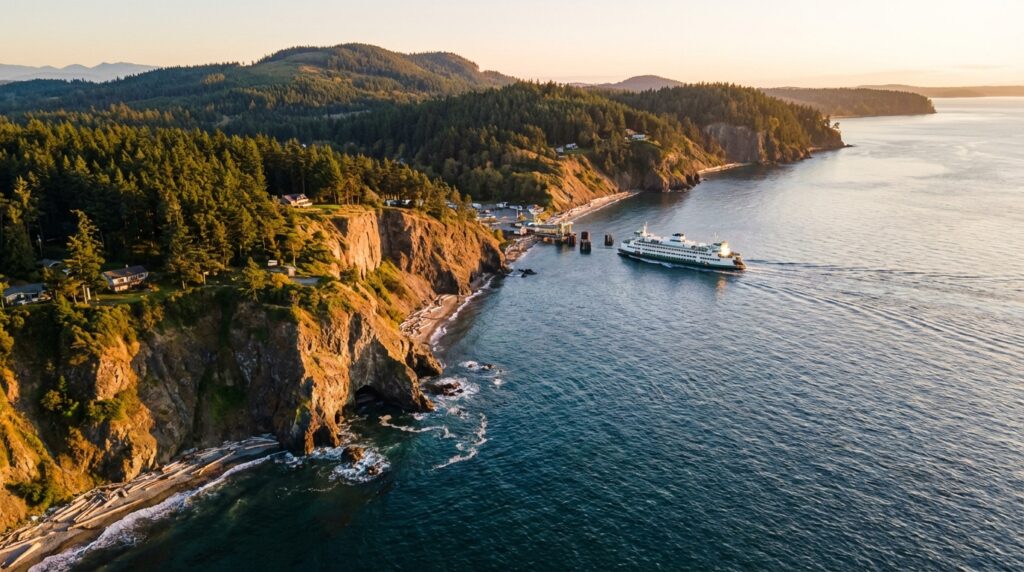
The green-and-white ferry pulls away from the dock. You’re standing on the car deck watching Mukilteo shrink behind you. Twenty minutes later, you’ll step onto Whidbey Island, a 55-mile stretch of forested bluffs, pocket beaches, and farmland floating in Puget Sound. The Washington State Ferries schedule and route information shows departures every 30 to 60 minutes depending on the season. Most visitors arrive this way. Some drive across Deception Pass Bridge from the north. Either route works.
This is Washington’s longest island. Home to roughly 70,000 year-round residents, according to the Island County official website. The island draws about 3.2 million visitors annually per Washington State Tourism Office data. They come for Fort Casey’s gun batteries. For Ebey’s Landing trails. For Langley’s art galleries and Coupeville’s waterfront cafes. The island doesn’t scream for attention. It just sits there in the rain shadow of the Olympics, waiting for you to notice.
You’ll find five main towns strung along Highway 525. Each has its own rhythm. Coupeville keeps the 19th-century wharf aesthetic alive. Langley leans artsy. Oak Harbor runs practical with naval base traffic. The southern tip stays quiet, farms, state parks, shoreline access. People bike the back roads. They kayak Penn Cove. They eat mussels pulled from the same waters Captain George Vancouver charted in 1792.
This guide covers the ferry logistics, the things to do on Whidbey Island, where to sleep, where to eat, and how to structure a day trip if you’re short on time. No fluff. Just the details you need to plan a trip that works.
Top Attractions and Things to Do
Whidbey Island’s top attractions include Fort Casey State Park with historic military fortifications, Deception Pass State Park, Ebey’s Landing National Historical Reserve, and the Greenbank Farm.
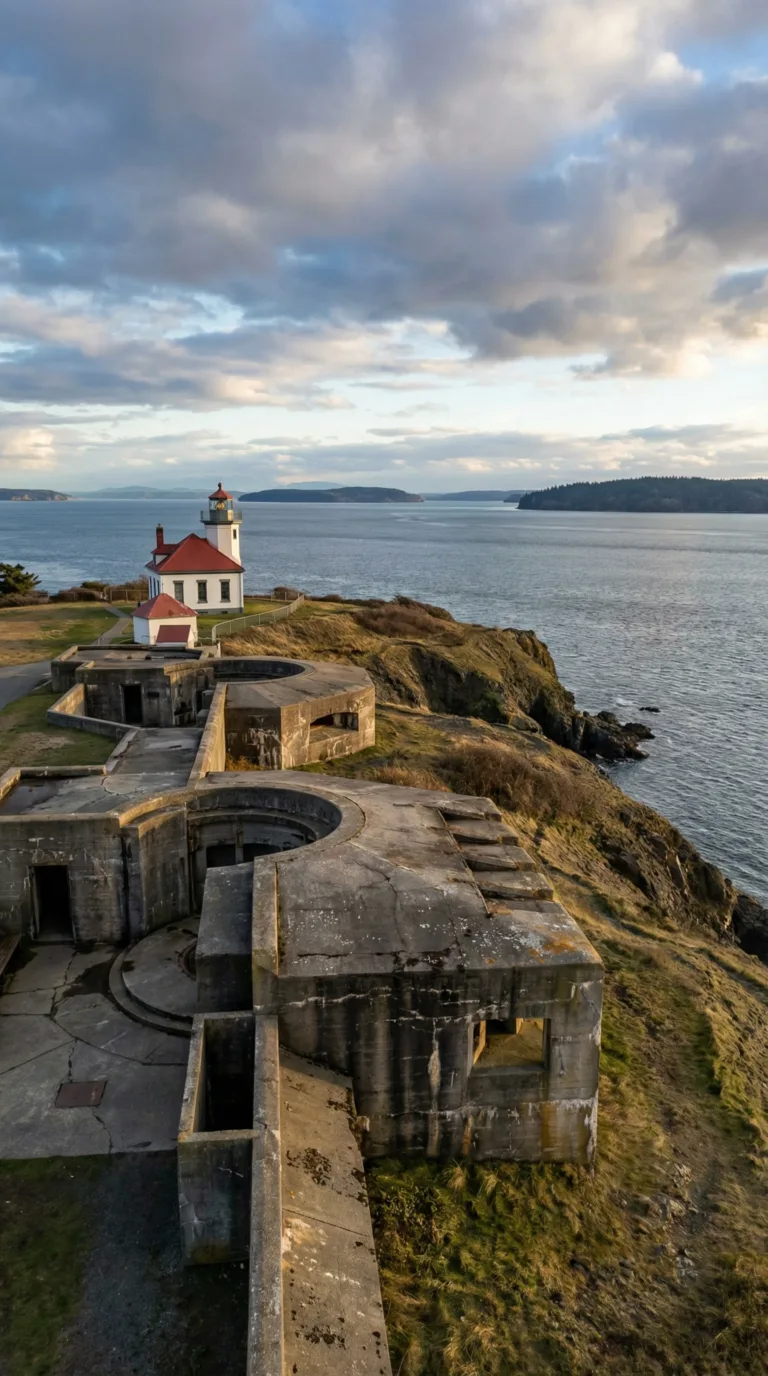
Fort Casey Historical State Park sits on the island’s western shore. Built in 1897 to defend Puget Sound, the fort now offers empty gun batteries you can walk through. The concrete bunkers feel like a Cold War movie set. Kids love the tunnels.
Planning Tip
Admiralty Head Lighthouse stands at the park’s edge. Built in 1903, it’s open for tours on weekends. The beach below is rocky but good for tide pooling. According to Washington State Parks, Fort Casey receives over 500,000 visitors annually. Parking costs $10 per day with a Discover Pass.
Deception Pass State Park marks the island’s northern boundary. The bridge spans 180 feet above churning water. Washington State Parks reports 2 million visitors per year, making it the state’s most-visited park. The bridge opened in 1935. You can walk across it, but the wind hits hard.
Trails branch out from both sides. Goose Rock summit trail climbs 480 feet in 2 miles. The view covers the San Juan Islands. West Beach offers calmer water for swimming. Pass Lake has a 2.5-mile loop trail around still water.
Ebey’s Landing National Historical Reserve protects 17,400 acres of coastal prairie. The bluff trail runs 5.6 miles round-trip above Perego’s Lagoon. You’ll see farmland that’s been worked since the 1850s. The trail gains 200 feet, then drops to the beach.
Prairie grasses turn gold in summer. Bring binoculars for bald eagles and harbor seals. The reserve includes the town of Coupeville. No entrance fee.
Greenbank Farm occupies 522 acres in the island’s center. Built in 1904, it was once the largest loganberry farm in the world. Now it’s a community hub with a wine shop, art galleries, and a café. The barn hosts weekend markets from May through October.
Planning Tip
Whidbey Island Winery operates a tasting room inside. Tastings cost $10 for five wines. The grounds have walking trails and picnic tables. Free to visit.
South Whidbey Island State Park protects 347 acres of old-growth forest. Douglas firs here are 250 years old. The Beach Trail drops 200 feet in half a mile to a rocky shoreline. Camping costs $30 per night for standard sites.
Beachcombing works best at low tide. Check NOAA tide tables before you go. Glass floats wash up occasionally. Driftwood piles line every beach.
Lavender farms bloom in July. Pelindaba Lavender Farm in Coupeville offers self-guided tours. Lavender Wind Farm near Coupeville charges $5 per person during bloom season. Both sell lavender products.
Art galleries cluster in Langley and Coupeville. The Museo gallery in Langley shows contemporary work. Most galleries are free to browse. Langley hosts a Mystery Weekend each February where actors stage a murder mystery around town.
Kayaking launches from multiple beaches. Langley Whale Center rents kayaks for $45 per day. Gray whales migrate past the island from March through May. Orcas appear less frequently, usually in summer.
Scenic drives cover the island’s length. Highway 525 runs 50 miles from Clinton to Deception Pass. Side roads branch to beaches and farms. Cell service drops out in the middle sections.
Whidbey Island’s Towns and Communities
Whidbey Island’s five main towns, Coupeville, Langley, Oak Harbor, Freeland, and Clinton, each offer distinct character with historic waterfronts and naval heritage.
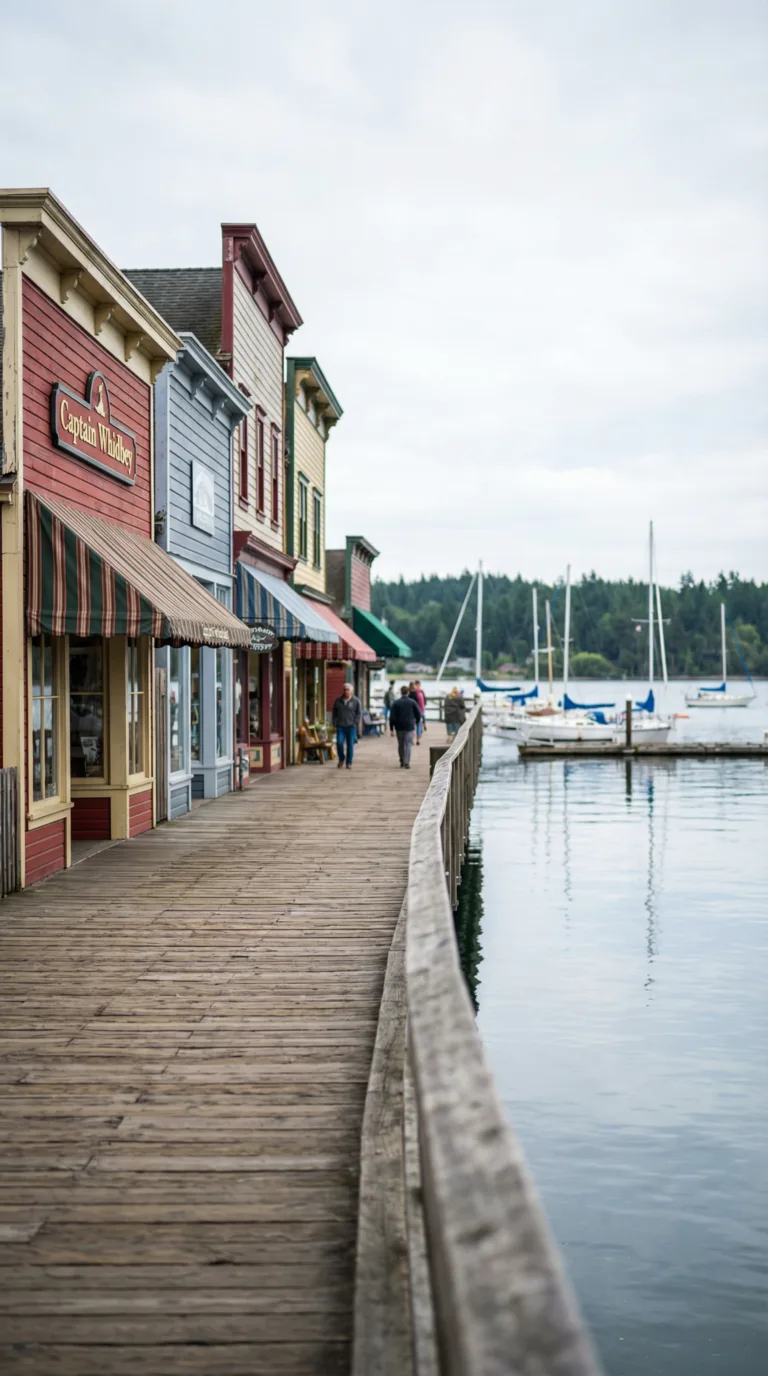
Coupeville sits on Penn Cove’s edge. Founded in 1852, it’s one of Washington’s oldest incorporated towns according to state historical records. Victorian storefronts line the waterfront. The wooden wharf still stands. You can walk the same boardwalk sea captains used 170 years ago. The Town of Coupeville official visitor information page lists current events and walking tour maps.
Langley perches on a bluff above Saratoga Passage. Art galleries occupy former fishing shacks. Boutiques sell local ceramics and fiber art. The village stretches three blocks. You can cover it in 20 minutes, but most visitors stay two hours browsing studios. Check the Langley Chamber of Commerce for gallery walk schedules.
Oak Harbor is the island’s largest town. Naval Air Station Whidbey Island employs 6,000 people here. Dutch settlers arrived in the 1890s, windmills and tulip festivals remain. You’ll find chain groceries, gas stations, urgent care clinics. It’s the practical base.
Freeland anchors the island’s center. Local restaurants outnumber chains. The community farmers market runs May through October. Clinton marks the southern tip where ferries dock from Mukilteo. Most visitors pass through without stopping.
History buffs pick Coupeville. Art lovers choose Langley. Anyone needing full services stays in Oak Harbor.
Where to Eat on Whidbey Island
Whidbey Island’s dining scene features Penn Cove mussels, farm-to-table restaurants in Coupeville and Langley, the iconic Whidbey Island Bagel Factory, and Toby’s Tavern serving locals since 1890.
Start your morning at Whidbey Island Bagel Factory. Lines form early. The bagels come out warm, and locals treat this place like a second living room. Expect a 15-minute wait on weekends.
Toby’s Tavern has poured drinks since 1890. The building tilts slightly. The bar is scarred wood. You’ll eat burgers and fish and chips surrounded by people who’ve been coming here for decades. No pretense.
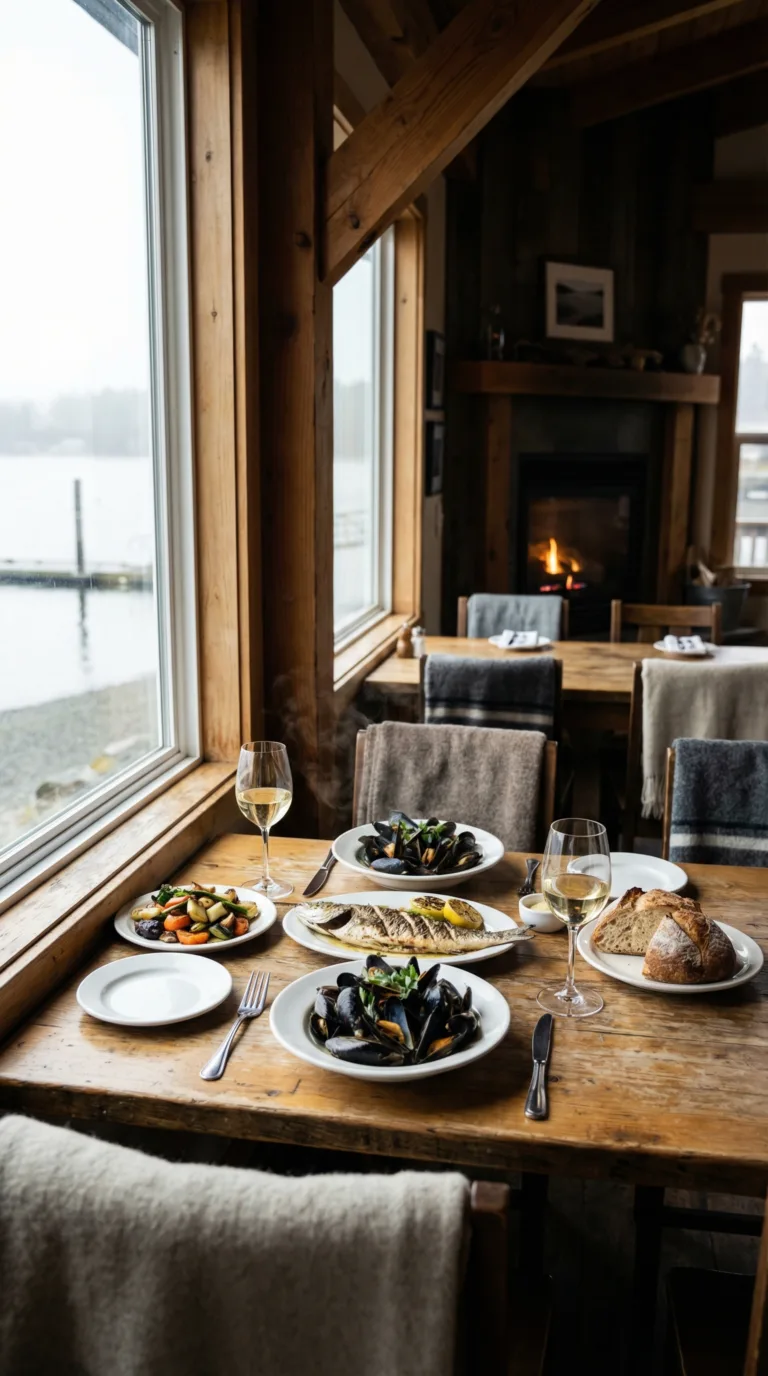
Coupeville’s waterfront restaurants specialize in Penn Cove mussels. Penn Cove Shellfish harvests over 1 million pounds of mussels annually, according to Washington Sea Grant. You’ll see them steamed in white wine, baked with garlic butter, or tossed with linguine on nearly every menu along Front Street.
Freeland sits mid-island. The restaurant scene here leans casual, Thai food, pizza joints, a solid Mexican spot. Nothing fancy, but the ingredients come from island farms.
Langley offers the upscale end. Wine bars with water views. Small plates featuring local lamb and Camano Island oysters. Artisan cafes where a latte costs $6 and tastes like it should.
The island’s farmers markets run May through October. Chefs shop there Saturday mornings, loading up on heirloom tomatoes and just-picked greens. That agricultural backbone shapes every menu worth eating at.
Where to Stay on Whidbey Island
Whidbey Island offers 6,600 monthly hotel searches across accommodations including the historic Captain Whidbey Inn, hotels in Coupeville, Langley, and Oak Harbor, plus vacation rentals and B&Bs.
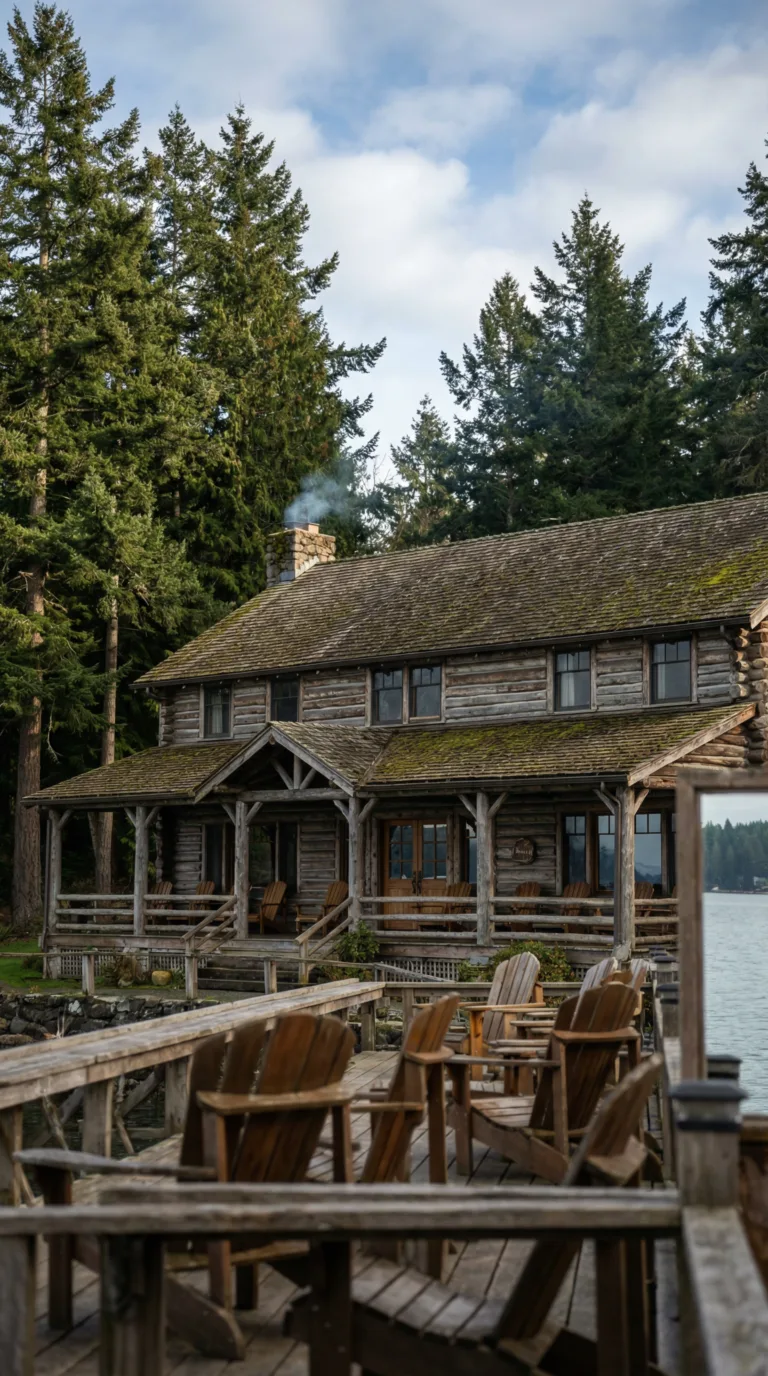
The Captain Whidbey Inn sits on Penn Cove’s shoreline. Built in 1907, this log lodge offers 25 rooms with madrone wood walls and zero TVs. The restaurant serves mussels harvested 100 feet from the deck. Rooms start at $175 per night.
Oak Harbor has the most hotel inventory on the island. Chain properties near the Naval Air Station run $90–140 per night. You’ll find Hampton Inn, Best Western, and several budget motels along Highway 20. Nothing fancy. Just clean beds near grocery stores.
Coupeville hotels cluster around the historic waterfront. Bed and breakfasts occupy Victorian homes within walking distance of Front Street shops. The Anchorage Inn charges $165 for harbor-view rooms. Book ahead for summer weekends.
Langley caters to couples. Boutique inns perch on the bluff above Saratoga Passage. Expect $200+ rates for clifftop properties with water views and complimentary wine. The Inn at Langley offers spa services and prix fixe dinners.
Pet-friendly options exist at several chain hotels in Oak Harbor and select vacation rentals. Waterfront properties with beach access command premium rates, especially in Langley and Coupeville. For longer stays, check the Whidbey Island lodging directory for vacation rentals. State park campgrounds offer budget alternatives at $35 per night.
Getting to and Around Whidbey Island
Whidbey Island is accessible via two Washington State Ferry routes, Mukilteo-Clinton and Port Townsend-Coupeville, plus the Deception Pass Bridge from the north, with ferry costs averaging $10-15 per vehicle.
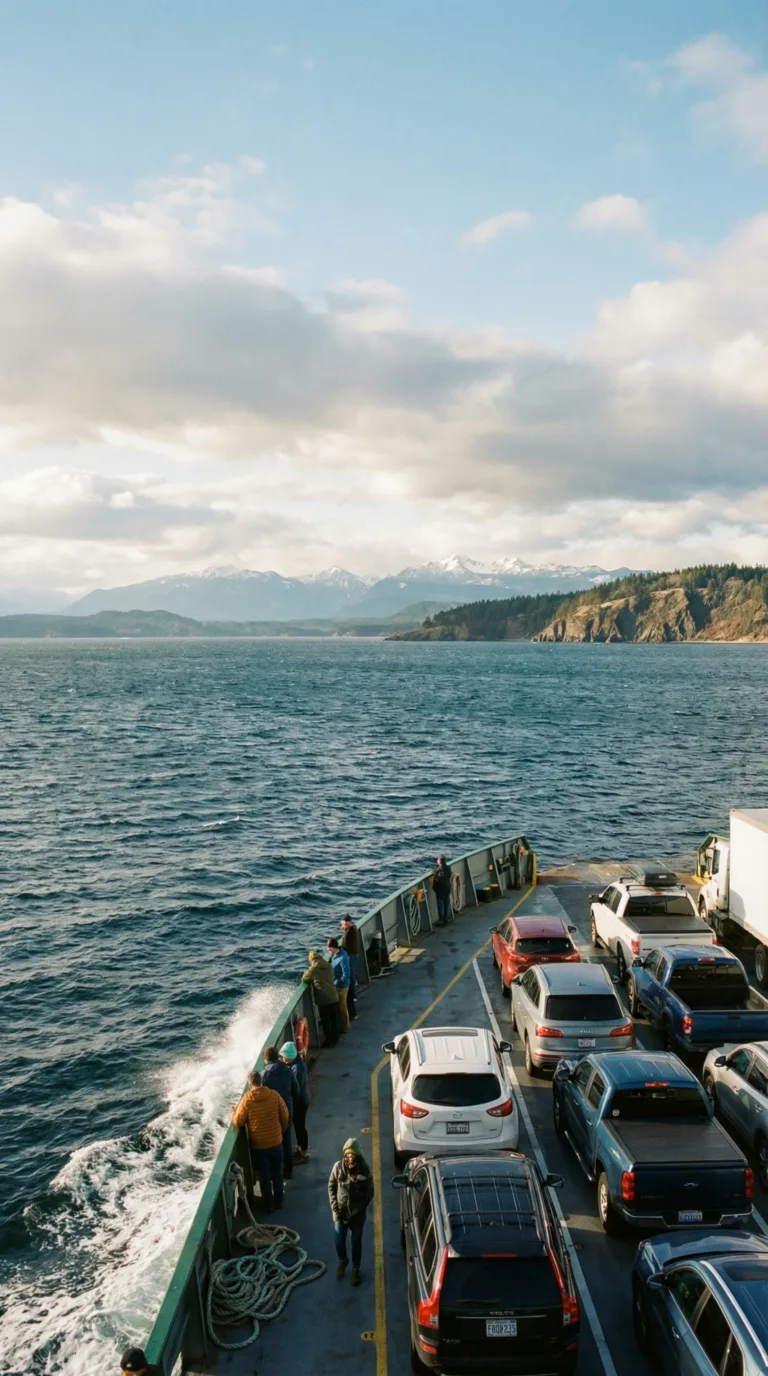
Two ferry routes serve the island. The Mukilteo-Clinton route runs with the mainland and the southern tip. Twenty-minute crossing. Boats depart every 30 minutes during peak hours, less frequently at night. This is your fastest option from Seattle, about 90 minutes total drive time including the ferry.
The Port Townsend-Coupeville route connects the Olympic Peninsula to the island’s western shore. Thirty-minute crossing. Fewer daily departures than Mukilteo-Clinton. Check the Washington State Ferries official schedule and fare information before you go, seasonal variations affect frequency.
Vehicle fares cost $13.50-$18.50 depending on vehicle size, according to Washington State Ferries 2026 rates. Walk-on passengers pay $9.35. Payment accepted via credit card or cash at toll booths. Peak summer weekends see wait times exceeding two hours at Clinton. The Washington State Ferries reservation system lets you book slots in advance for $2 extra, worth it Memorial Day through Labor Day.
You can skip the ferry entirely. Drive north from Seattle via Interstate 5, cross Deception Pass Bridge from Fidalgo Island. Adds 30 minutes compared to the Mukilteo route but eliminates wait uncertainty.
Bring a car. No public transit connects towns across the island. Some roads have bike lanes, but distances between attractions make cycling impractical for most visitors.
Day Trips from Whidbey Island
Whidbey Island’s location enables day trips to Olympic National Park via Port Townsend ferry, Seattle 90 minutes south, Mount Rainier National Park, Bellingham, and Skagit Valley.
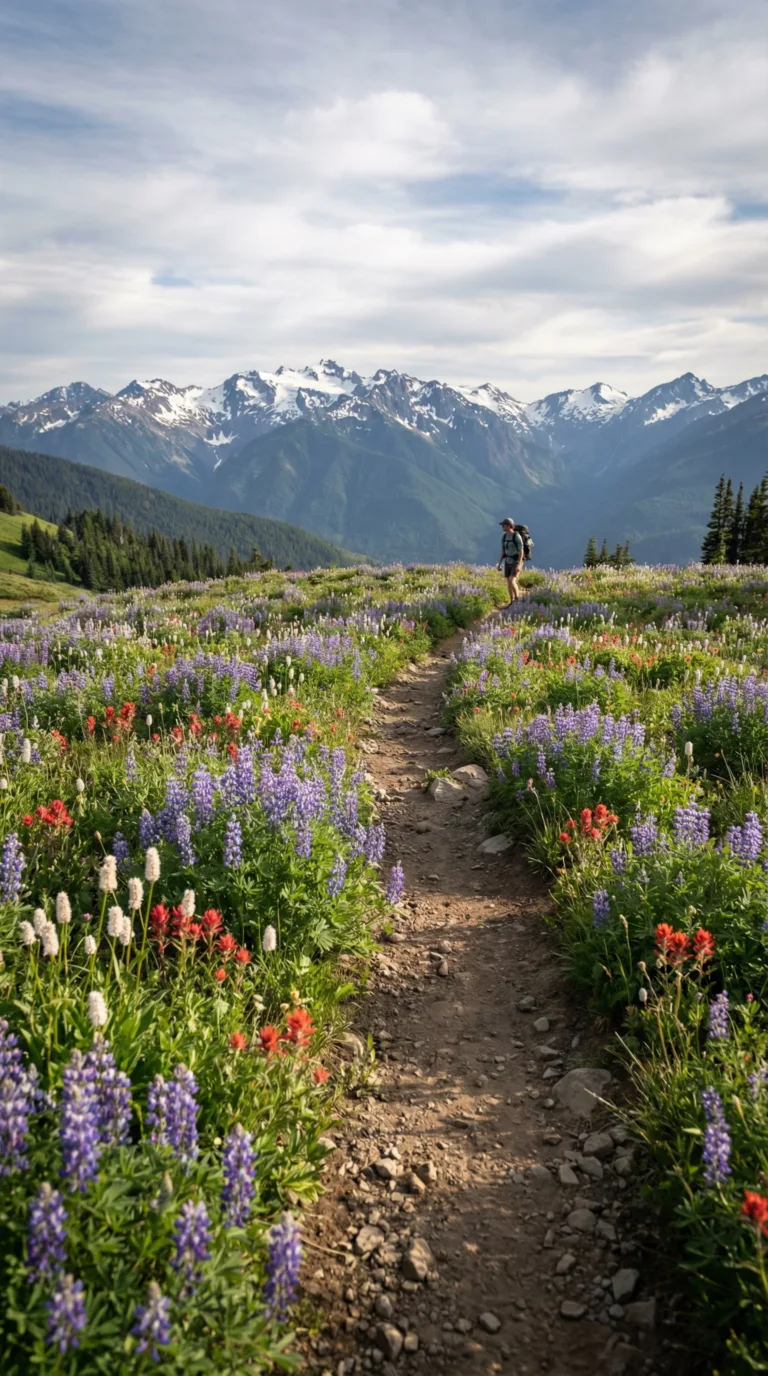
Olympic National Park sits 1.5 to 2 hours from Whidbey via the Port Townsend ferry. Take the Keystone ferry to Port Townsend, then drive west. Hurricane Ridge offers alpine meadows and mountain views. The Hoh Rainforest shows moss-draped trees and 140 inches of annual rainfall. Coastal areas like Ruby Beach have sea stacks and tide pools. Check the Olympic National Park official NPS website for road conditions before you go. The drive from the Port Townsend ferry dock to Hurricane Ridge takes about 90 minutes.
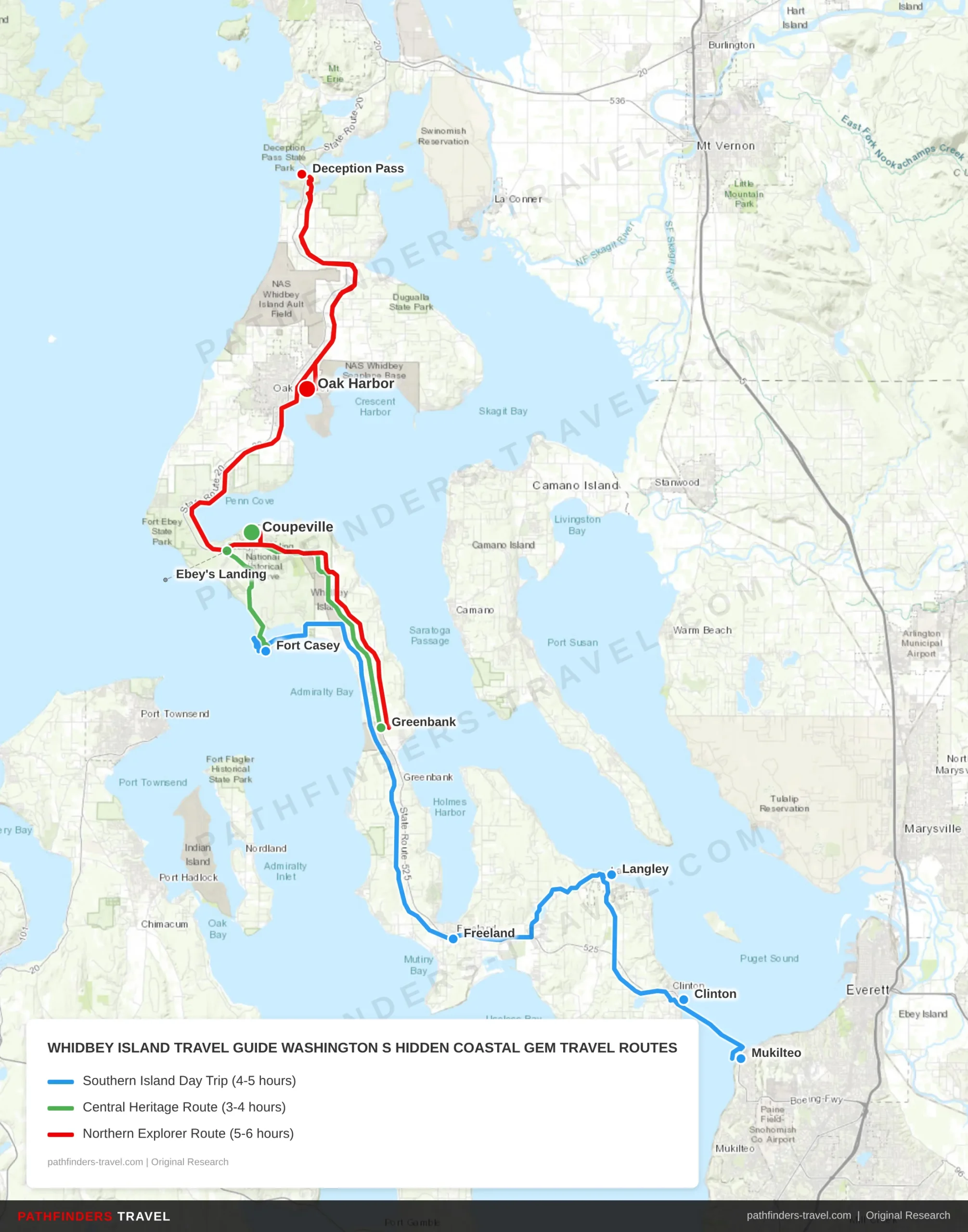
| # | Stop | Highlights | Drive Time |
|---|---|---|---|
| 1 | Mukilteo | Ferry terminal, departure point to island | 0m |
| 2 | Clinton | Ferry landing, island arrival point | 20m ferry |
| 3 | Langley | Art galleries, waterfront village, boutique shops | 10m |
| 4 | Freeland | Local dining, community center, residential area | 15m |
| 5 | Fort Casey | Historic gun batteries, lighthouse, tide pooling | 20m |
| # | Stop | Highlights | Drive Time |
|---|---|---|---|
| 1 | Greenbank | Historic farm, wine shop, weekend markets | 0m |
| 2 | Coupeville | 19th-century wharf, waterfront cafes, Penn Cove mussels | 15m |
| 3 | Ebey’s Landing | 5.6-mile bluff trail, prairie views, beach access | 5m |
| 4 | Fort Casey | Military fortifications, Admiralty Head Lighthouse | 10m |
| # | Stop | Highlights | Drive Time |
|---|---|---|---|
| 1 | Oak Harbor | Naval base town, practical services, local dining | 0m |
| 2 | Deception Pass | Famous bridge, Goose Rock summit, West Beach swimming | 20m |
| 3 | Coupeville | Historic waterfront, National Historical Reserve | 25m |
| 4 | Greenbank | Loganberry farm, art galleries, community events | 15m |
Seattle makes an easy reverse day trip. Drive south 90 minutes via the Mukilteo ferry. Pike Place Market opens at 9 AM. The Space Needle costs $37.50 for adults. Waterfront piers have seafood restaurants and tourist shops. Traffic clogs I-5 during rush hour, so time your return carefully.
Mount Rainier National Park requires 2.5 to 3 hours of driving each way. The Paradise area sits at 5,400 feet elevation. Wildflowers peak in late July and early August. Hiking trails range with paved loops and steep alpine routes. Visit the Mount Rainier National Park official NPS website for trail updates. This is a full-day commitment.
Bellingham lies 1.5 hours north via Deception Pass. The city has breweries, a historic downtown, and access to the North Cascades. Fairhaven district has bookstores and cafes.
Skagit Valley sits 45 minutes north. Tulip fields bloom in April. The rest of the year, you’ll find farm stands, wineries, and flat farmland. Tacoma is 2 hours south. The Museum District includes the Tacoma Art Museum and the Museum of Glass. The waterfront has seafood restaurants and walking paths.
Weather and When to Visit
Whidbey Island experiences mild Pacific Northwest weather with 6,600 monthly weather searches, featuring dry summers (June-September averaging 65-75°F) and wet winters (November-March), making July-August the peak visiting season.
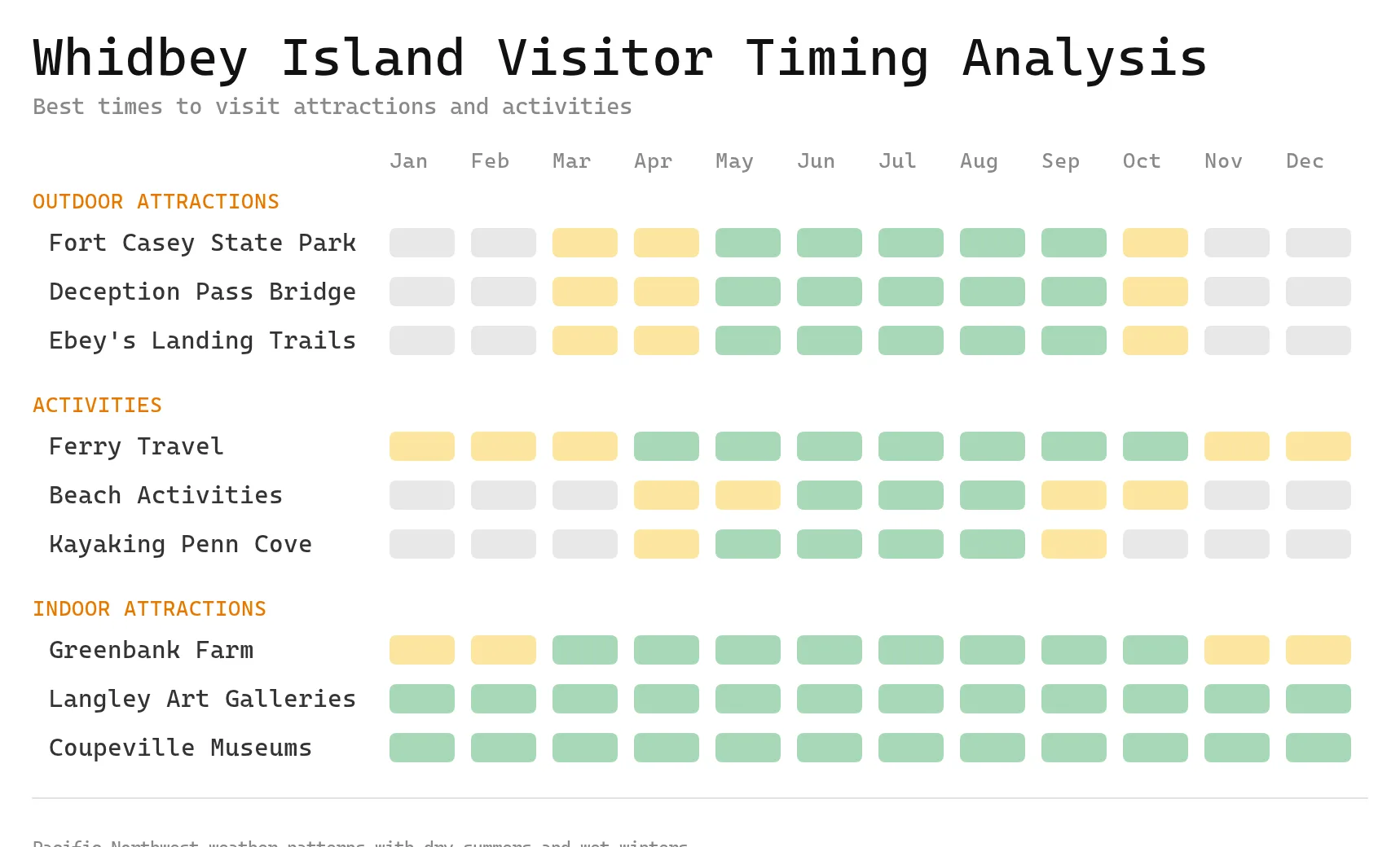
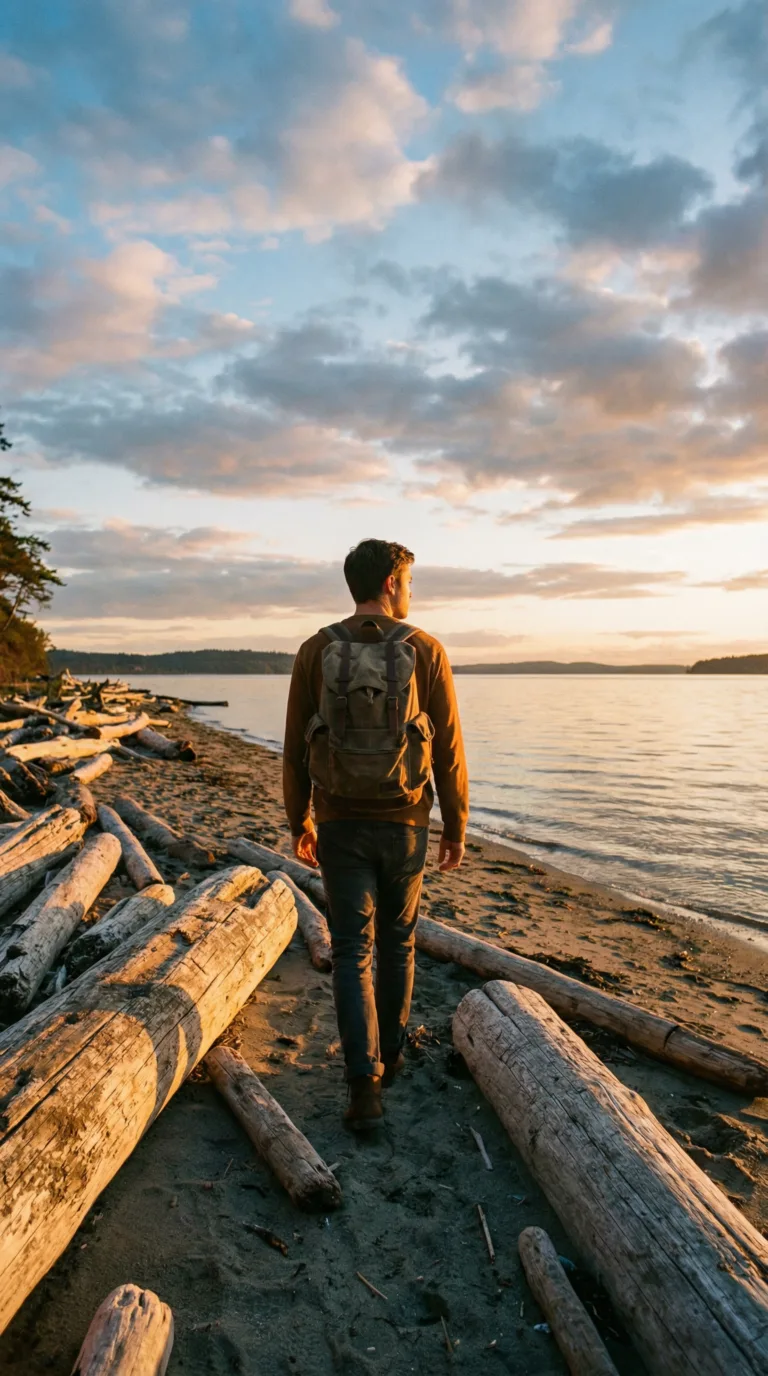
Whidbey Island sits in the Olympic rain shadow. This means less rain than Seattle, about 20 inches annually versus Seattle’s 38 inches, according to NOAA climate data. You’ll still get wet, but not as often.
Summer runs June through September. Expect 65-75°F days. Dry. Perfect for hiking, kayaking, beach walks. All attractions open. July and August bring peak crowds and highest prices. Book lodging months ahead.
May, June, and September offer a better deal. Temperatures still pleasant (60-70°F). Fewer tourists clogging Deception Pass. Wildflowers bloom April through May. Migrating birds pass through. October delivers autumn colors and harvest festivals at local farms.
Winter (November-March) is cool and wet. Temperatures hover 40-50°F. Storms roll in off the Pacific. Some restaurants and shops close or reduce hours. But winter has its fans, storm watching from bluff-top inns, empty trails, cozy firesides. Off-season rates drop 30-40%.
Pack layers no matter when you visit. A rain jacket is mandatory. Even July can surprise you with a cold front. Check the National Weather Service forecast for Whidbey Island before you leave home.
Frequently Asked Questions
What is special about Whidbey Island?
Whidbey is one of Washington’s largest islands, known for its laid-back pace, scenic shorelines, and small towns. Highlights include dramatic Deception Pass, the historic seaside town of Coupeville, the Ebey’s Landing bluff trail, the arts town of Langley, and gray-whale watching each spring.
Can you get to Whidbey Island without a ferry?
Yes. You can drive onto the north end of Whidbey via the Deception Pass Bridge from Fidalgo Island, with no ferry needed. The Mukilteo–Clinton ferry reaches the south end from the Seattle side and saves time, but the bridge is a free, scenic alternative.
What should you not miss on Whidbey Island?
Don’t miss Deception Pass State Park and its bridge, the historic waterfront of Coupeville on Penn Cove, the Ebey’s Landing bluff trail, and the village of Langley. Add Fort Casey, a Penn Cove mussels meal, and the island’s wineries and farm stands.
How far is Whidbey Island from Seattle?
Whidbey is about 30 miles north of Seattle. The quickest route is the Mukilteo–Clinton ferry, a 20-minute crossing about 30 minutes north of the city; driving via Deception Pass takes around two hours. It makes an easy day trip or weekend escape.
When is the best time to visit Whidbey Island?
Summer (June to September) is warmest and driest, ideal for hiking, beaches, and ferries. Spring brings gray whales to Penn Cove and the MusselFest; fall is quiet and colourful. Winters are mild but wet, with some shorter business hours.