Estimated reading time: 14 minutes
Last updated: August 2026
Is Spokane, WA Worth Visiting?
Yes — Spokane, Washington’s second-largest city, is an easy, affordable Inland Northwest base. Top things to do centre on downtown Riverfront Park, where the Spokane Falls roar through the city beside a gondola and a 1909 carousel. Add Manito Park’s gardens, the grand Davenport Hotel, the Garland and Kendall Yards districts for food and shops, and quick access to lakes, hiking, and skiing. It is about a 4-hour drive east of Seattle.
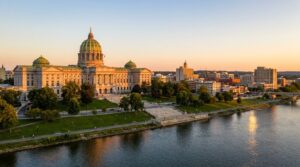
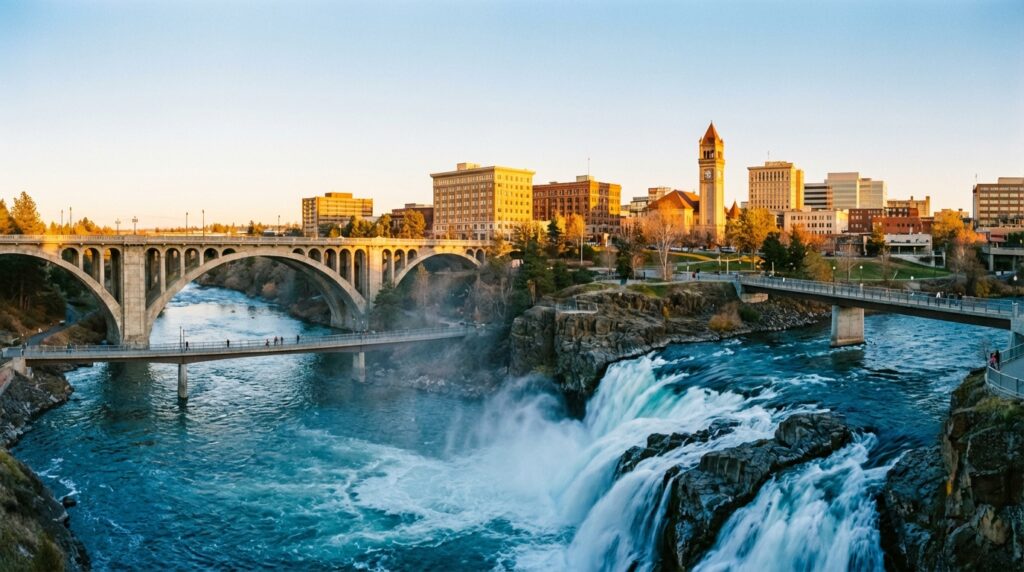
Spokane, Washington’s second-largest city with a metro population of 585,000, sits at the confluence of natural beauty and urban culture where Spokane Falls cascades through downtown Riverfront Park.
Want to experience Spokane’s natural beauty firsthand? Watch our complete Spokane travel guide in 4K Ultra HD.
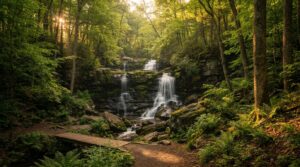
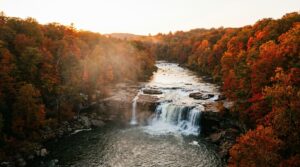
Spokane Falls thunders through the heart of downtown. Water drops 140 feet over basalt cliffs. You can stand on a pedestrian bridge and feel the spray on your face. The falls powered flour mills in the 1880s. Now they power the city’s identity.
Planning Tip
Spokane sits 18 miles west of the Idaho border in eastern Washington. The metro area hit 585,000 residents in 2025, according to the U.S. Census Bureau. That makes it the urban hub of the Inland Northwest. This is not Seattle. You get 260 sunny days a year here. The Cascade Range blocks the Pacific moisture. Summers reach 90°F. Winters drop to 20°F with actual snow.
The city sprawls across the Columbia Plateau where ponderosa pines meet sagebrush. Visit Spokane reports that Riverfront Park alone draws 1.8 million visitors annually. People come for the trails, the gondola ride over the falls, and the summer concerts.
You can hike 37 miles of urban trails in the morning. Eat wood-fired pizza in Kendall Yards at lunch. Catch a symphony performance at night. Drive 45 minutes and you’re skiing at Mount Spokane or floating the Spokane River. The city gives you both without the Seattle traffic or Portland prices.
Research Methodology
This guide was created using Spokane’s official tourism website, lodging and attraction databases, and feedback from seasoned visitors. All details about accommodations, activities, and logistics were verified at the time of writing. We suggest checking directly with venues and the local visitor bureau for current information before planning your trip.
Top Things to Do in Spokane
Spokane’s top attractions include Riverfront Park with Spokane Falls, the 100-acre urban park featuring the historic 1909 Looff Carrousel, SkyRide gondola, and year-round events drawing over 1.5 million annual visitors.
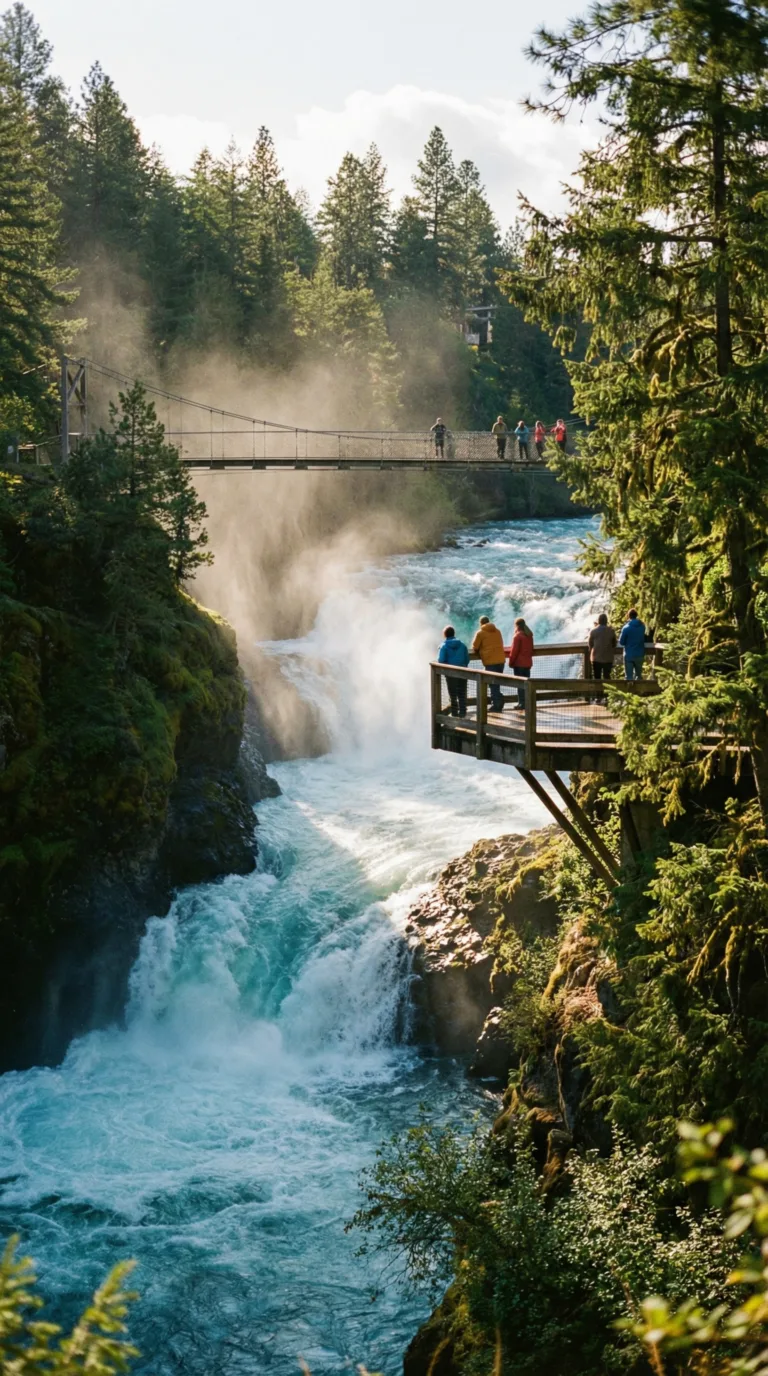
Spokane Falls roars through downtown. You can stand on viewing platforms and feel the mist. The falls drop 140 feet in two main cascades. Riverfront Park Spokane wraps around the falls on both sides of the river. This 100-acre park hosts over 1.5 million visitors each year according to Visit Spokane.
Planning Tip
The park’s SkyRide gondola floats you over the falls. Tickets cost $9 for adults. The 1909 Looff Carrousel still runs, hand-carved horses, original organ music. It survived the 1974 World’s Fair. The Pavilion hosts concerts and events year-round. Ice skating takes over in winter.
The Spokane Aquarium sits in Riverfront Park. It holds 30 exhibits focused on Pacific Northwest aquatic life. Admission runs $12 for adults, $8 for kids. Touch tanks let you handle sea stars and anemones. The aquarium partners with local conservation groups.
The Centennial Trail cuts 37 miles from Spokane to the Idaho border. Paved the whole way. Bikers, runners, and walkers share the path along the Spokane River. You can rent bikes downtown for $25 a day. The trail connects to Spokane Parks and Recreation facilities across the city.
Manito Park covers 90 acres on the South Hill. Free entry. The Japanese Garden blooms April through October. Duncan Garden features European-style formal plantings. Rose Hill has 1,500 rose bushes, peak bloom hits late June.
The Northwest Museum of Arts and Culture (MAC) charges $15 admission. Permanent collection covers regional history and Native American art. The Campbell House next door is a 1898 mansion you can tour. Both close Mondays.
Spokane Valley attractions spread east of downtown. Mirabeau Point Park has disc golf and trails. The Spokane Valley Mall anchors retail. Valley events include farmers markets May through September, Wednesdays 3-7pm at Mirabeau Meadows.
Free things to do in Spokane cluster around parks and public spaces. Riverfront Park charges nothing for entry, you only pay for rides. Huntington Park has basketball courts and picnic shelters. The Flour Mill building downtown offers free parking and river views.
Things to do in Spokane today depend on the season. Summer brings outdoor concerts at Riverfront Park, free Friday nights June through August. Winter means Hoopfest in late June (24,000 players, world’s largest 3-on-3 basketball tournament). The Spokane Fair runs September 6-15 annually at the fairgrounds. Admission costs $12.
Things to do in Spokane for couples lean toward wine bars and theater. The Garland Theater shows independent films ($10 tickets). Arbor Crest Wine Cellars perches on a cliff east of town, tastings $15, views free. The Davenport Hotel lobby is worth seeing even if you don’t stay there.
Things to do in Spokane for adults include brewery tours and live music. No-Li Brewhouse runs tours Saturdays at 2pm ($10 with samples). The Bing Crosby Theater books national acts. The Knitting Factory handles indie and punk shows.
Spokane’s Best Neighborhoods
Downtown Spokane serves as the city’s cultural and commercial heart with Riverfront Park, while Spokane Valley, a separate city of 102,000 residents, offers suburban shopping and outdoor recreation 10 miles east.
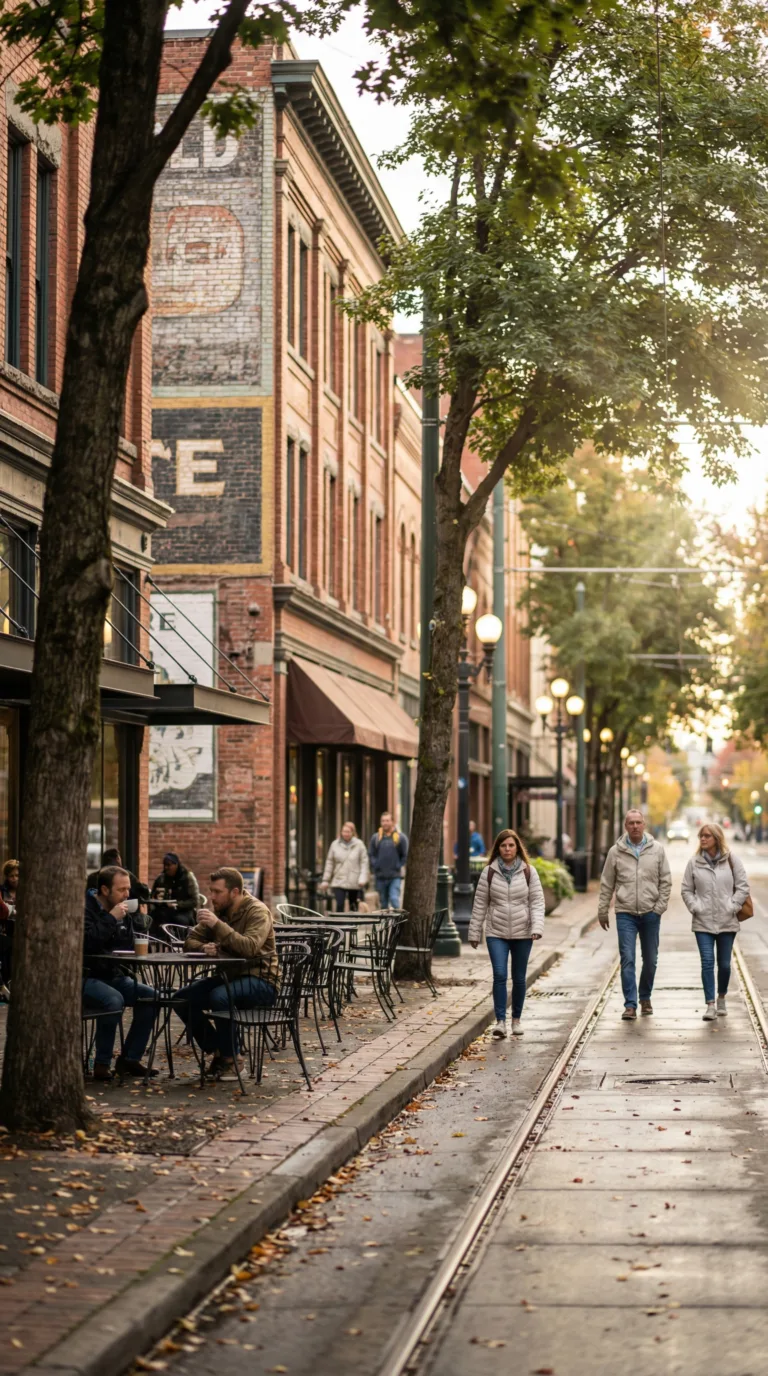
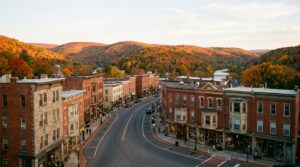
Downtown Spokane is where you want to be if you’re visiting for culture, food, or events. The core sits tight around Riverfront Park, a 100-acre green space with walking trails, a carousel, and the Spokane Falls overlook. Hotels cluster within five blocks of the park. Most restaurants and bars line the streets between Riverside Avenue and Sprague Avenue. Historic brick buildings from the early 1900s house coffee shops, breweries, and the occasional vintage clothing store. The Downtown Spokane Partnership maintains a walkable grid that’s easy to get around on foot.
Spokane Valley operates as its own municipality. It incorporated in 2003 and now holds a population of roughly 102,000 people, according to the U.S. Census Bureau. The city stretches east from Spokane proper along Interstate 90. You’ll find big-box stores, chain hotels, and Spokane Valley Mall here. It’s more suburban, wider roads, strip malls, parking lots. Outdoor access is strong. Centennial Trail runs through the valley. Mirabeau Point Park sits on the Spokane River. If you’re driving to Coeur d’Alene or hiking Mount Spokane, staying in Spokane Valley cuts 15 minutes off your drive.
South Hill and Browne’s Addition sit south and west of downtown. Both are residential. South Hill has Manito Park and older homes on tree-lined streets. Browne’s Addition is closer to Gonzaga University, Victorian houses, quieter blocks. Neither area offers much for short-term visitors. Base yourself downtown if you want walkability. Choose Spokane Valley if you’re road-tripping and need cheaper lodging.
Where to Eat in Spokane
Spokane’s dining scene features over 500 restaurants ranging from farm-to-table establishments using Inland Northwest ingredients to diverse ethnic cuisines, with concentrations in downtown and the Kendall Yards district.

Spokane restaurants have evolved beyond steak houses and chain diners. The city now supports a legitimate farm-to-table movement. Chefs source ingredients from the Palouse region, wheat, lentils, root vegetables. You’ll find huckleberries (the unofficial regional obsession) in everything from pancakes to cocktails.
Downtown holds the highest concentration of dining options. Kendall Yards follows close behind with newer spots focused on Pacific Northwest ingredients. South Perry has carved out a niche for independent cafes and ethnic restaurants. According to Visit Spokane, the metro area supports over 500 dining establishments, a number that includes brewpubs, fine dining rooms, and taco trucks.
Spokane’s craft beer scene runs deep. Most brewpubs serve full menus alongside their tap lists. Expect burgers, wood-fired pizzas, and shareable plates designed to pair with IPAs and stouts.
Price ranges span the spectrum. Downtown lunch spots charge $12–18 for entrees. Fine dining restaurants push $35–50 per plate. Food trucks and ethnic restaurants offer meals under $10. The Spokane Farmers Market runs May through October, locals buy produce directly from growers, plus prepared foods from vendors.
You’ll find Vietnamese pho, Mexican taquerias, Thai curries, and Italian trattorias scattered across neighborhoods. The dining scene reflects the city’s working-class roots and recent influx of younger residents demanding more variety.
Where to Stay in Spokane
Spokane offers approximately 6,500 hotel rooms across downtown and suburban areas, with downtown properties providing walkable access to Riverfront Park and nightly rates ranging from $80-250 depending on season.
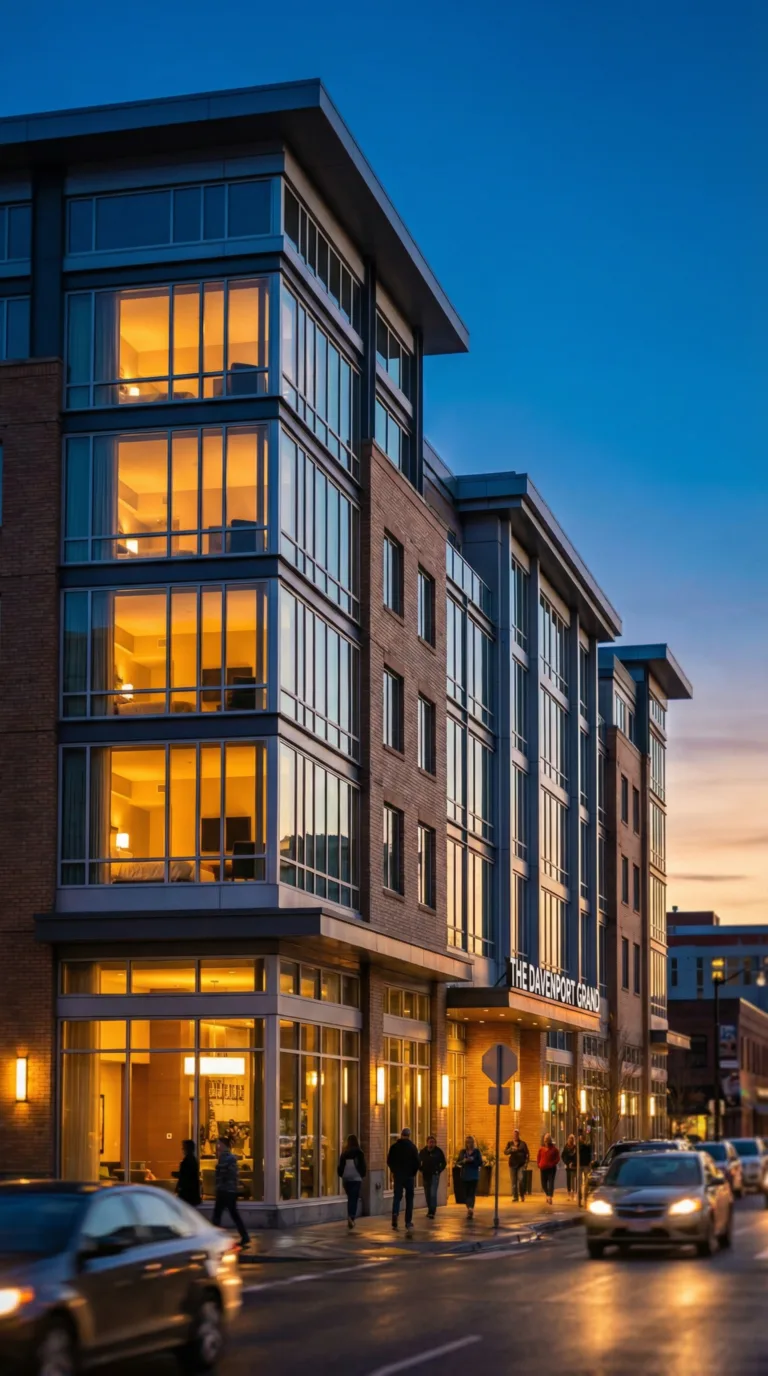
You’ve got options. Downtown puts you within walking distance of Riverfront Park, restaurants, and the Davenport Arts District. Spokane Valley spreads east with lower prices and chain hotels near shopping centers. The airport strip works if you’re catching an early flight.
Downtown hotels in Spokane Washington range from renovated historic buildings to standard Marriotts and Hiltons. The Davenport Hotel anchors the historic end. Hampton Inns and Courtyards fill the practical middle. Expect $120-180 per night in summer, $80-120 in winter. Book ahead for Bloomsday (late April/early May) and Hoopfest (late June), prices jump 30-40% those weekends.
Spokane Valley hotels sit along I-90 east of downtown. You’ll find Holiday Inn Express, La Quinta, Best Western. Rates run $70-110 most of the year. You’ll need a car. Nothing’s walkable out here. Trade convenience for savings.
Airport area properties cluster near Geiger Boulevard. Comfort Suites, Ramada, Red Lion. Rooms cost $75-130. Makes sense if you’re flying in late or out early. Downtown sits 20 minutes west by car.
Vacation rentals and Airbnbs scatter through Browne’s Addition and South Hill neighborhoods. Expect $100-200 per night for a full apartment. A few bed-and-breakfasts operate in historic homes near Manito Park. Search Visit Spokane for current availability across all hotel rooms in Spokane and alternative lodging.
Getting to and Around Spokane
Spokane International Airport serves 3.5 million annual passengers with nonstop flights to 20+ destinations, located 7 miles southwest of downtown with a 15-minute drive time and $25-30 taxi fare.
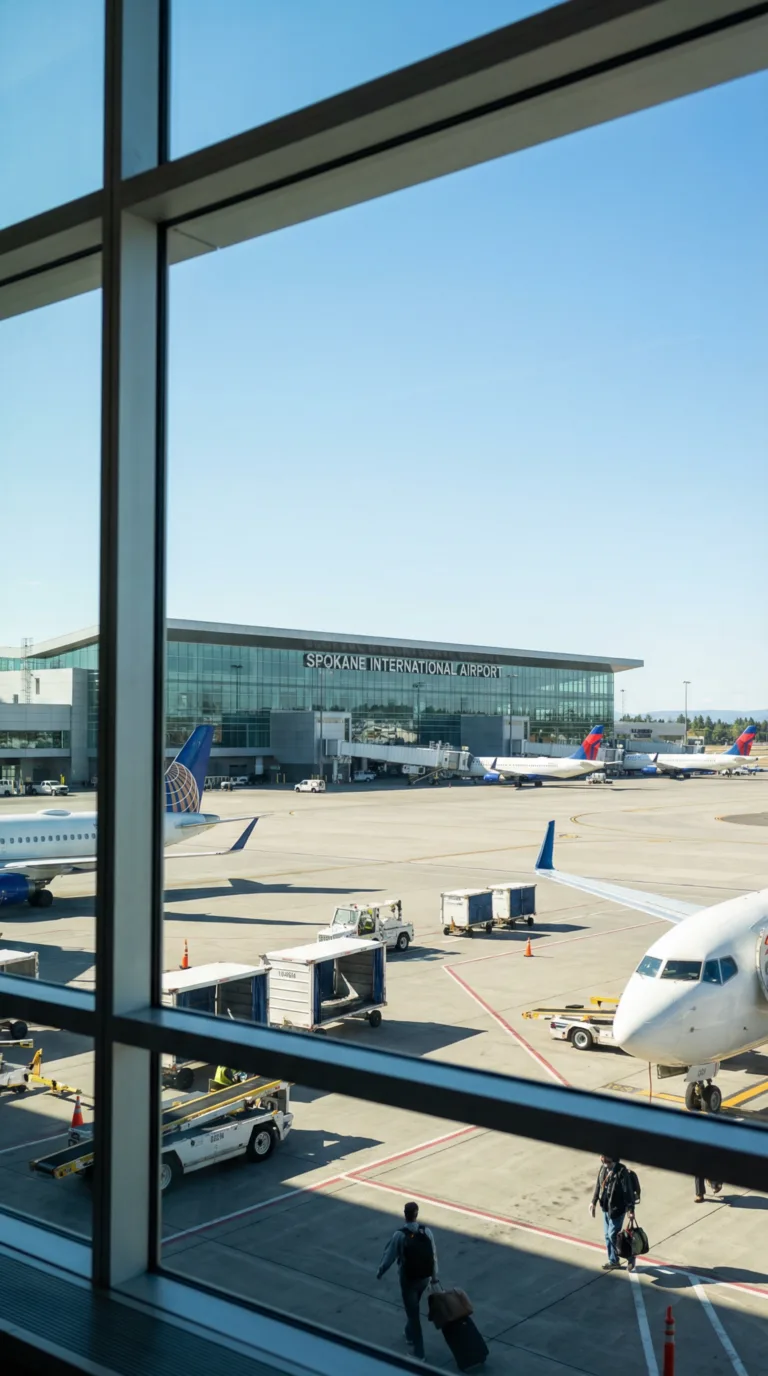
Spokane International Airport sits 7 miles southwest of downtown. According to airport statistics, it handles 3.5 million passengers annually. Alaska Airlines dominates here. You’ll find nonstop flights to 20+ cities including Seattle, Portland, Denver, Phoenix, and Las Vegas. Delta, United, and Southwest also operate regular service.
Getting downtown takes 15 minutes by car. Taxis run $25-30. Uber and Lyft cost about the same. Most rental car companies operate on-site.
The Spokane to Seattle drive covers 280 miles via Interstate 90. Budget 4-5 hours. The route crosses the Columbia River plateau before climbing into the Cascades. Amtrak’s Empire Builder train runs daily between the cities but takes 7-8 hours with an early morning departure. Northwestern Trailways operates bus service for around $35-45 one-way. Flight time is just 55 minutes.
Downtown Spokane is walkable. Riverfront Park, the Davenport Hotel, and most restaurants cluster within a half-mile radius. Spokane Transit Authority routes and schedules cover the metro area with buses running every 15-30 minutes on main corridors. Single rides cost $2.
Street parking downtown runs $1-2 per hour. The River Park Square garage charges $1.50 per hour with a $12 daily max. Most hotels include parking for $10-15 per night.
Day Trips from Spokane
Spokane serves as a gateway to diverse day trips including Seattle (280 miles west via I-90), Mount Rainier National Park (250 miles), Olympic National Park (400 miles), and closer destinations like Coeur d’Alene, Idaho (30 miles east).
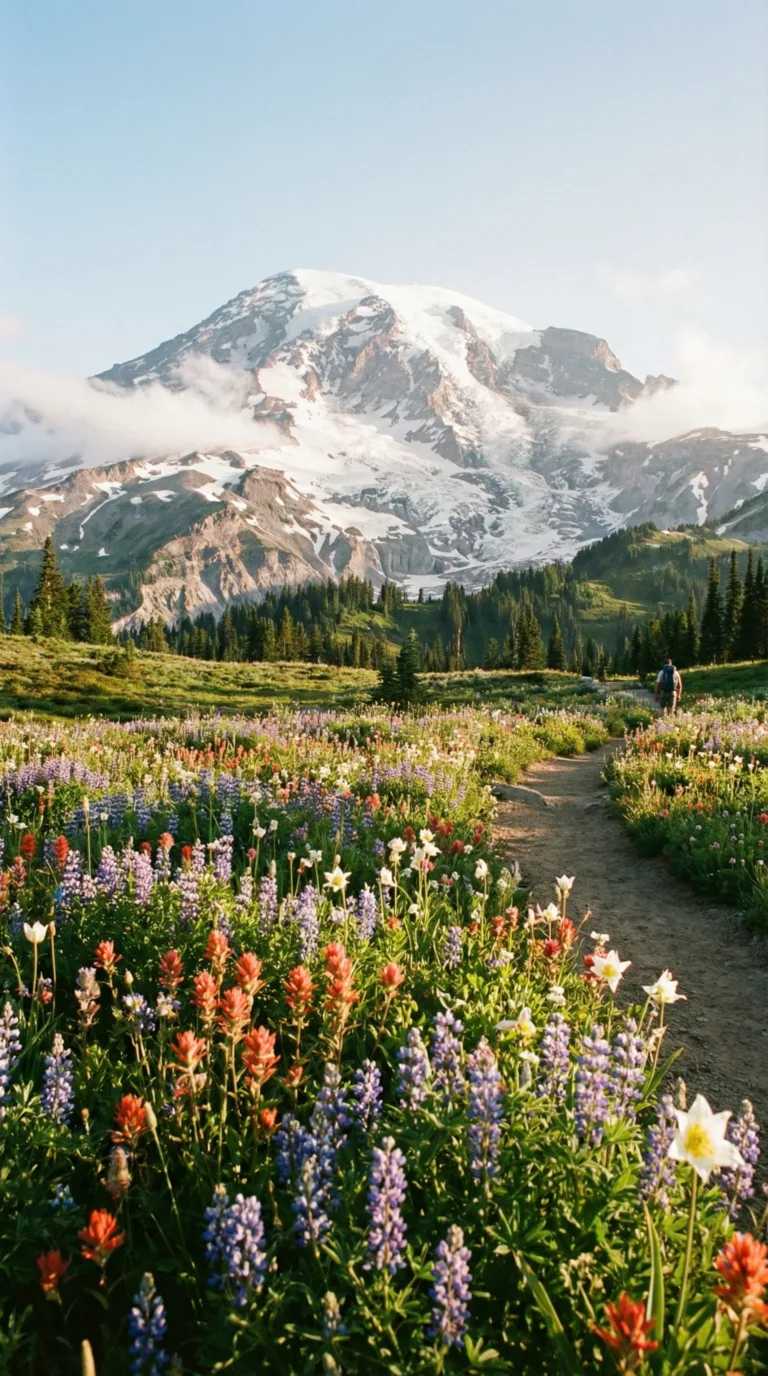
Spokane sits at the crossroads of the Pacific Northwest and Inland Northwest. You can reach multiple ecosystems within a day’s drive. The city makes a practical base for exploring Washington state and beyond.
Seattle lies 280 miles west on I-90. The drive takes 4 to 5 hours depending on traffic. You can do it as a long day trip, but an overnight stay gives you more time. Pike Place Market, the Space Needle, and the waterfront fill a full day. According to the Washington State Department of Transportation, I-90 is the primary corridor connecting Eastern and Western Washington.
Mount Rainier National Park sits about 250 miles southwest of Spokane. Mount Rainier National Park draws 1.5 million visitors annually, per National Park Service statistics. The drive takes 4.5 to 5 hours. You can visit in a very long day, but an overnight trip lets you hike the alpine trails properly. Paradise and Sunrise areas offer wildflower meadows in summer.
Olympic National Park requires more commitment. It’s 400 miles west on the Olympic Peninsula. Olympic National Park is better as a multi-day trip. The park covers rainforests, mountains, and Pacific coastline. Plan at least two nights if you’re driving from Spokane.
Tacoma sits between Spokane and Seattle, about 260 miles west. The Museum of Glass and Point Defiance Park make it worth a stop. Bellevue is an upscale suburb east of Seattle with shopping districts and waterfront parks. Bellingham lies 320 miles northwest. It’s a college town near the Canadian border with access to the Cascade Range.
Diablo Lake and Ross Lake in North Cascades National Park offer turquoise water and mountain scenery. The drive takes about 5 hours. Whidbey Island in Puget Sound requires a ferry but delivers coastal views and small-town atmosphere. Skagit Valley blooms with tulip fields in April.
Closer to home, Coeur d’Alene, Idaho sits just 30 miles east. The lakeside resort town makes an easy half-day trip. Wine country in the Columbia Valley and natural areas in the Idaho Panhandle are all within two hours.
Practical Information for Visiting Spokane
Spokane is pronounced ‘spo-KAN’ (not ‘spo-KANE’), experiences four distinct seasons with summer highs of 85°F and winter lows of 25°F, and sits in the Pacific Time Zone despite being in Eastern Washington.
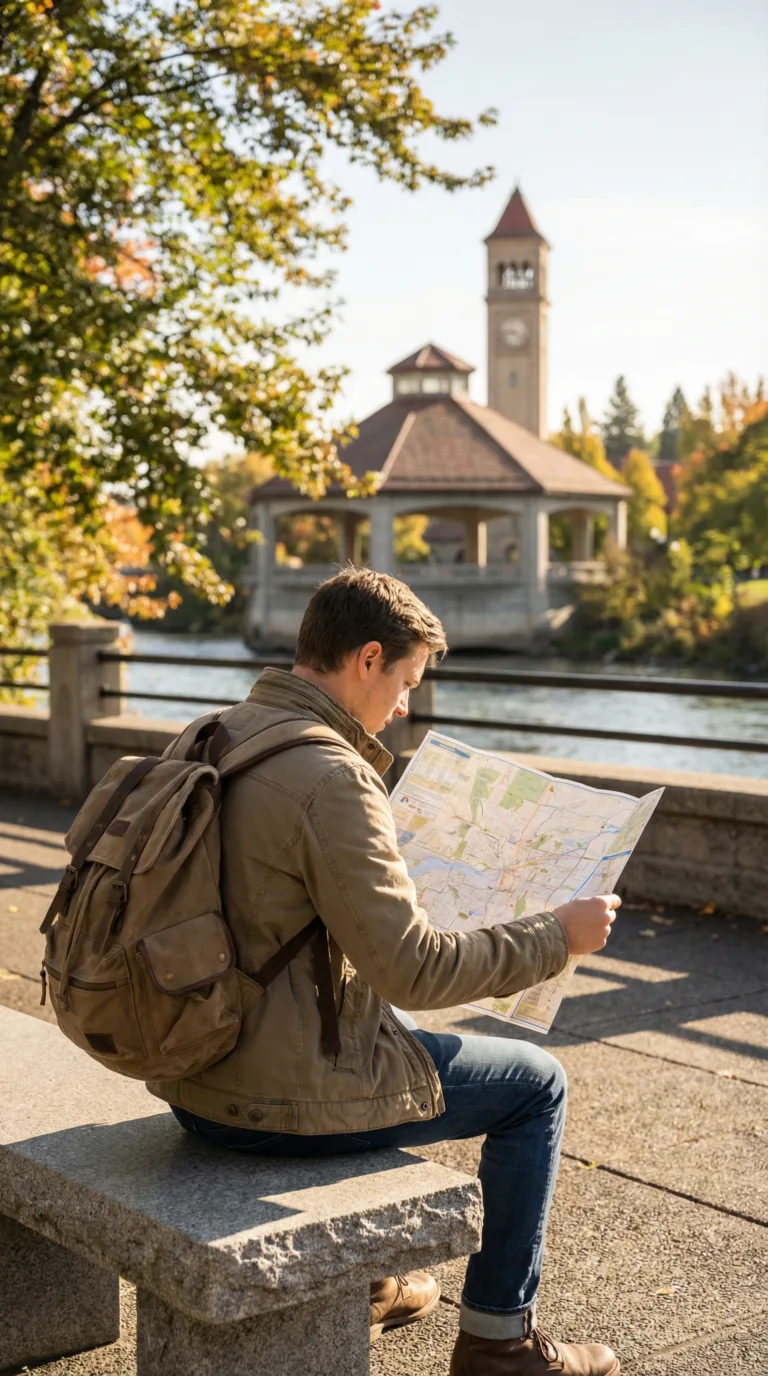
First things first: it’s spo-KAN, with the emphasis on the second syllable. Locals will notice if you say it wrong. The city sits in eastern Washington, about 18 miles from the Idaho border in the Inland Northwest region. Despite being closer to Montana than Seattle, Spokane follows Pacific Time.
The climate here differs dramatically from Seattle’s perpetual drizzle. Spokane gets four real seasons. Summers run hot and dry, with July averaging 85°F according to National Weather Service Spokane. Winters drop to 25°F with regular snowfall. Spring and fall bring fewer crowds and mild temperatures in the 50s and 60s.
June through September offers the best weather for outdoor activities and festivals. Winter (December through February) works for skiing at nearby Mount Spokane. Pack layers year-round, temperatures swing 30 degrees between morning and afternoon. Summer requires sun protection and a water bottle. Winter demands insulated jackets, gloves, and waterproof boots.
Cell coverage works reliably throughout the city. Free WiFi appears in most cafes and hotels. The Spokane Visitor Information Center operates downtown at 201 West Main Avenue with maps and local recommendations.
Frequently Asked Questions
Are there fun things to do in Spokane?
Yes. Top picks are Riverfront Park with the Spokane Falls, the SkyRide gondola, and the historic carousel; Manito Park’s gardens and conservatory; the restored Davenport Hotel; the Garland and Kendall Yards districts for food and shops; and nearby lakes, trails, and ski areas.
What are free things to do in Spokane?
Plenty: walk Riverfront Park and the Spokane Falls, follow the Centennial Trail along the river, explore Manito Park’s free gardens, and browse the murals and shops of the Garland District and Kendall Yards. Many festivals and First Friday art events are free too.
What is the best time to visit Spokane?
Late spring through early fall (May to September) is best, with warm, dry weather for the riverfront, parks, lakes, and festivals like Hoopfest and Pig Out in the Park. Fall brings colour and harvest, while winter offers skiing at nearby Mount Spokane and 49 Degrees North.
What is Spokane known for?
Spokane is known for Riverfront Park and the Spokane Falls in the heart of downtown, hosting the 1974 World’s Fair, the grand Davenport Hotel, a growing craft-beer and food scene, and easy access to the lakes, mountains, and trails of the Inland Northwest.
How far is Spokane from Seattle?
Spokane is about 280 miles — a 4 to 4.5-hour drive — east of Seattle across Washington via I-90, or a short 1-hour flight. It is also close to the Idaho border, with Coeur d’Alene just 30 to 40 minutes east.