Estimated reading time: 14 minutes
Last updated: September 2026
Table of Contents
- What Is Seattle Famous For?
- Top Attractions and Things to Do in Seattle
- Seattle’s Best Neighborhoods to Explore
- Seattle’s Food Scene and Where to Eat
- Where to Stay in Seattle
- Getting to and Around Seattle
- Day Trips from Seattle
- Practical Information for Visiting Seattle
- Frequently Asked Questions About Seattle
What Is Seattle Famous For?
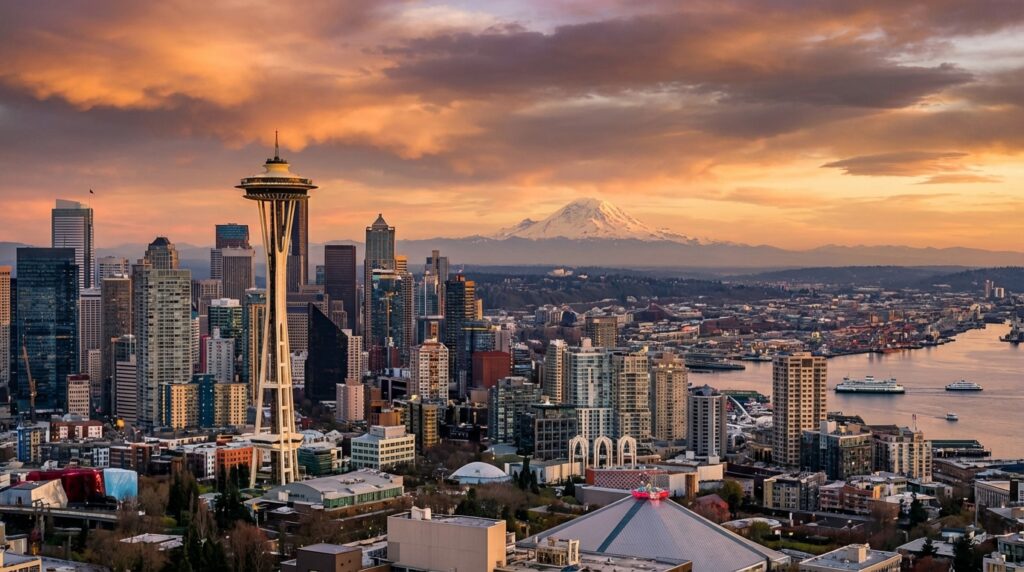
Seattle, the largest city in the Pacific Northwest, is famous for Pike Place Market and the original Starbucks, the Space Needle and Chihuly Garden and Glass, and the Museum of Pop Culture. Nicknamed the ‘Emerald City’ for its evergreen surroundings, it has views of Puget Sound and Mount Rainier, a strong coffee and grunge-music heritage, and tech giants like Amazon and Microsoft nearby.
How We Researched This
We built this guide using Seattle’s official tourism board, government resources, and feedback from actual travelers, Gunnar hasn’t visited in person. All details were verified when written, but attractions, hours, and prices change, so check official websites before heading out.
Planning a trip to the Pacific Northwest? Watch our Seattle travel guide in 4K Ultra HD.
Seattle Washington delivers an incredible range of things to do. You can watch fishmongers throw salmon at Pike Place Market in the morning, then tour underground streets from the 1890s in the afternoon. The city earned its nickname “Emerald City” from the dense forests and green hills that surround it, not from any wizard.
The Pacific Northwest location puts Seattle between Puget Sound’s cold saltwater and the Cascade Mountains. On clear days, Mount Rainier dominates the southern skyline, a 14,411-foot volcano that looks close enough to touch but sits 54 miles away. According to Visit Seattle, the city welcomed 41.9 million visitors in 2023, making it one of the top tourist destinations in the United States.
Seattle built its reputation on three things: coffee culture that started with Starbucks in 1971, tech companies like Amazon and Microsoft headquartered in the metro area, and access to hiking trails within a 30-minute drive. This guide covers the essential Seattle attractions, the neighborhoods worth your time, where to eat without hitting tourist traps, practical transport advice, and day trips to nearby islands and mountains.
Top Attractions and Things to Do in Seattle
Pike Place Market, founded in 1907, welcomes over 10 million visitors annually and houses 225 year-round commercial businesses including the original Starbucks store opened in 1971.
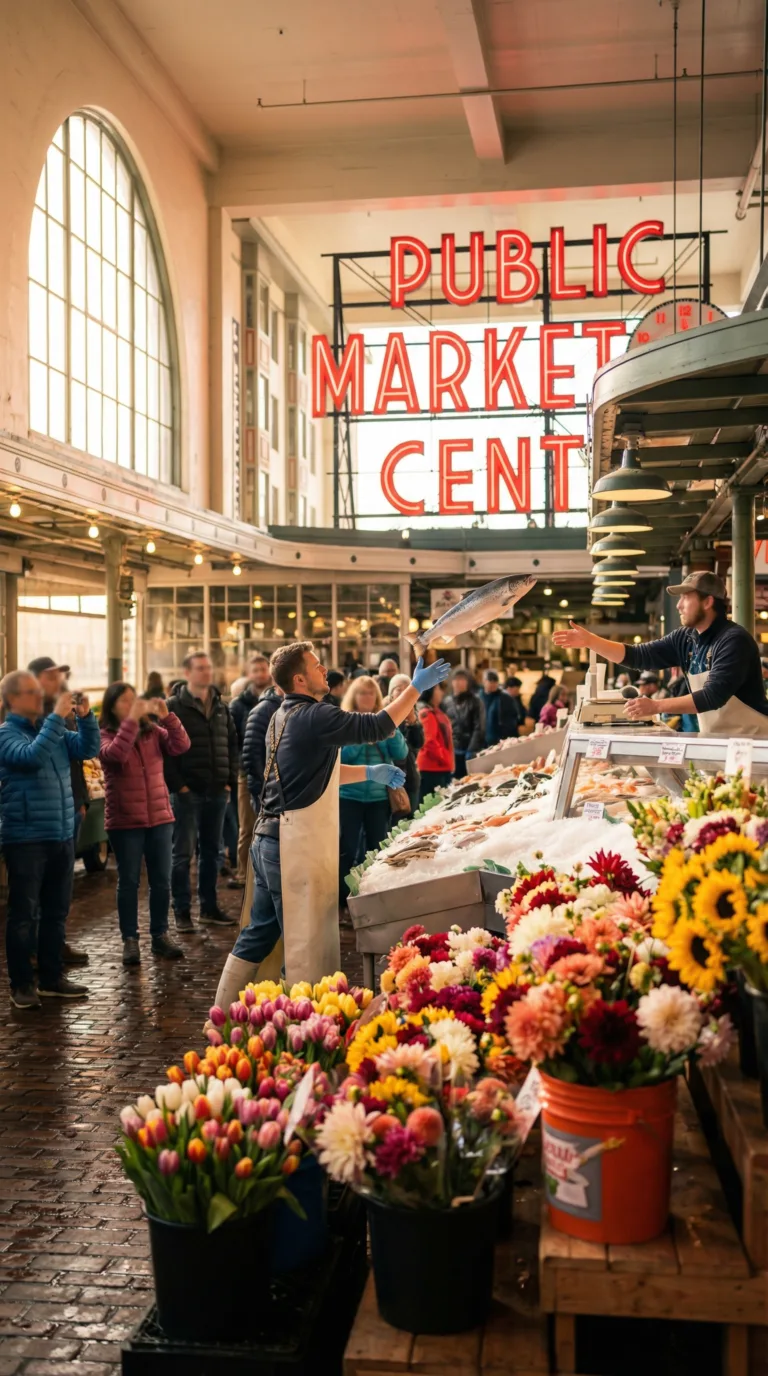
Pike Place Market sits at the top of every Seattle itinerary for good reason. According to the Pike Place Market Preservation and Development Authority, the market draws over 10 million visitors each year. The fishmongers at Pike Place Fish Market throw 20-pound salmon across the counter while shouting orders. It’s loud. It’s theatrical. It works.
Planning Tip
The Seattle Center complex sprawls across 74 acres north of downtown. The Space Needle rises 605 feet and rotates visitors through its observation deck at a rate of 1.3 million per year, according to the Space Needle’s official visitor statistics. Tickets cost $37.50 for adults. The glass floor panels tilt outward at The Loupe level. Your stomach drops.
Chihuly Garden and Glass sits next door. Dale Chihuly’s blown glass installations fill eight galleries plus an outdoor garden. The Glasshouse centerpiece suspends a 100-foot sculpture of red and orange tendrils above your head. Admission runs $32. The Museum of Pop Culture (MoPOP) occupies Frank Gehry’s crumpled metal building across the lawn. Exhibits rotate through Nirvana memorabilia, sci-fi props, and indie video games. Combined tickets for all three attractions save you $15.
Pioneer Square’s Bill Speidel’s Underground Tour descends beneath the sidewalks into the city’s original street level. After the 1889 fire, Seattle rebuilt one story higher. The old storefronts and sidewalks became basements. The 75-minute tour winds through dim passageways lined with purple glass skylights. Your guide cracks jokes about toilets that fthicked upward during high tide. Tours run every 30 minutes. Book ahead in summer.
The Seattle waterfront stretches from Pier 48 to Pier 70 along Elliott Bay. The Seattle Great Wheel spins 175 feet above the water. Each enclosed gondola fits eight people. One rotation takes 12 minutes. The Seattle Aquarium houses 800,000 gallons of Puget Sound marine life. Harbor seals bark in the outdoor pool. Giant Pacific octopuses hide in rocky crevices. Admission costs $34.95 for adults.
The Museum of History and Industry (MOHAI) anchors the south end of Lake Union in a restored Naval Reserve Building. Exhibits trace Seattle’s evolution with logging camp and tech hub. You’ll see Boeing’s first airplane, Jimi Hendrix’s guitars, and a working periscope from a Cold War submarine. Entry runs $22. Free admission on the first Thursday of each month.
Things to do in Seattle shift with the seasons. December brings the Argosy Christmas Ship Festival cruising Elliott Bay with carolers. Winter months mean fewer crowds at Pike Place Market and discounted hotel rates. Young adults gravitate toward Capitol Hill’s music venues and dive bars. The weekend event calendar fills with farmers markets, brewery tours, and Mariners games at T-Mobile Park.
Seattle’s Best Neighborhoods to Explore
Seattle’s neighborhoods range from Downtown Seattle’s urban core to Ballard’s Scandinavian heritage district, West Seattle’s beach communities, and the International District’s Asian cultural hub established in the 1880s.
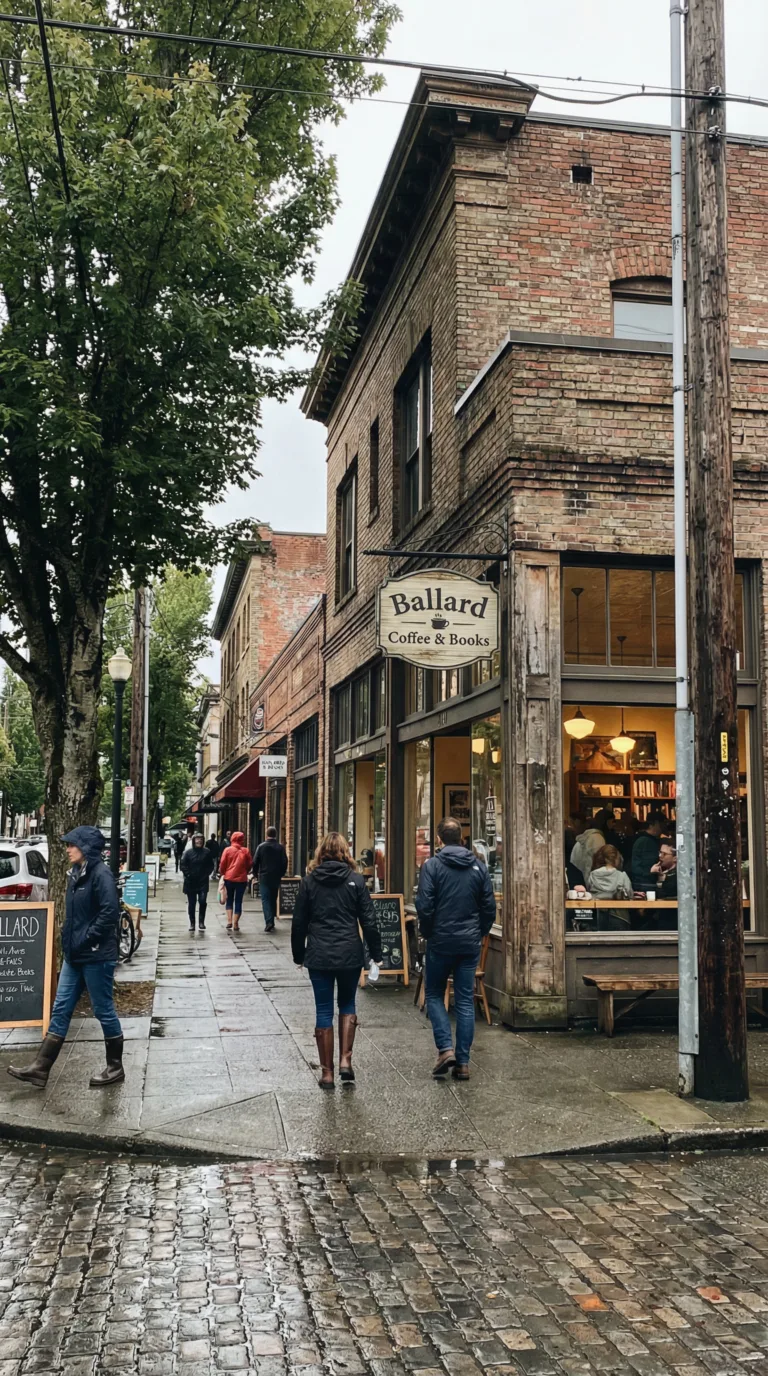
Downtown Seattle packs the city’s shopping, hotels, and business towers into a walkable grid. Pike Place Market sits at the western edge. Convention hotels line Pike Street. The retail core runs along 4th and 5th Avenues. You’ll spend time here Chinese, Korean, and Filipino ingredients. Dim sum restaurants open at 10am on weekends. The Wing Luke Museum documents Asian Pacific American history. According to the Seattle neighborhoods guide, the city recognizes 118 distinct neighborhoods across its seven hills.
South Seattle covers everything below I-90. Georgetown has dive bars in old industrial buildings. Columbia City runs a year-round farmers market and Ethiopian restaurants. Rainier Valley holds the most diverse zip codes in Washington State.
Capitol Hill concentrates the city’s nightlife and LGBTQ+ culture on a dense grid of bars and music venues. Fremont calls itself the “Center of the Universe” and backs it up with a 16-foot Lenin statue and a troll sculpture under the Aurora Bridge.
Seattle’s Food Scene and Where to Eat
Seattle’s food scene centers on Pike Place Market’s 225 vendors, fresh Pacific seafood, the iconic Seattle Dog with cream cheese, and a coffee culture anchored by the original 1971 Starbucks location.
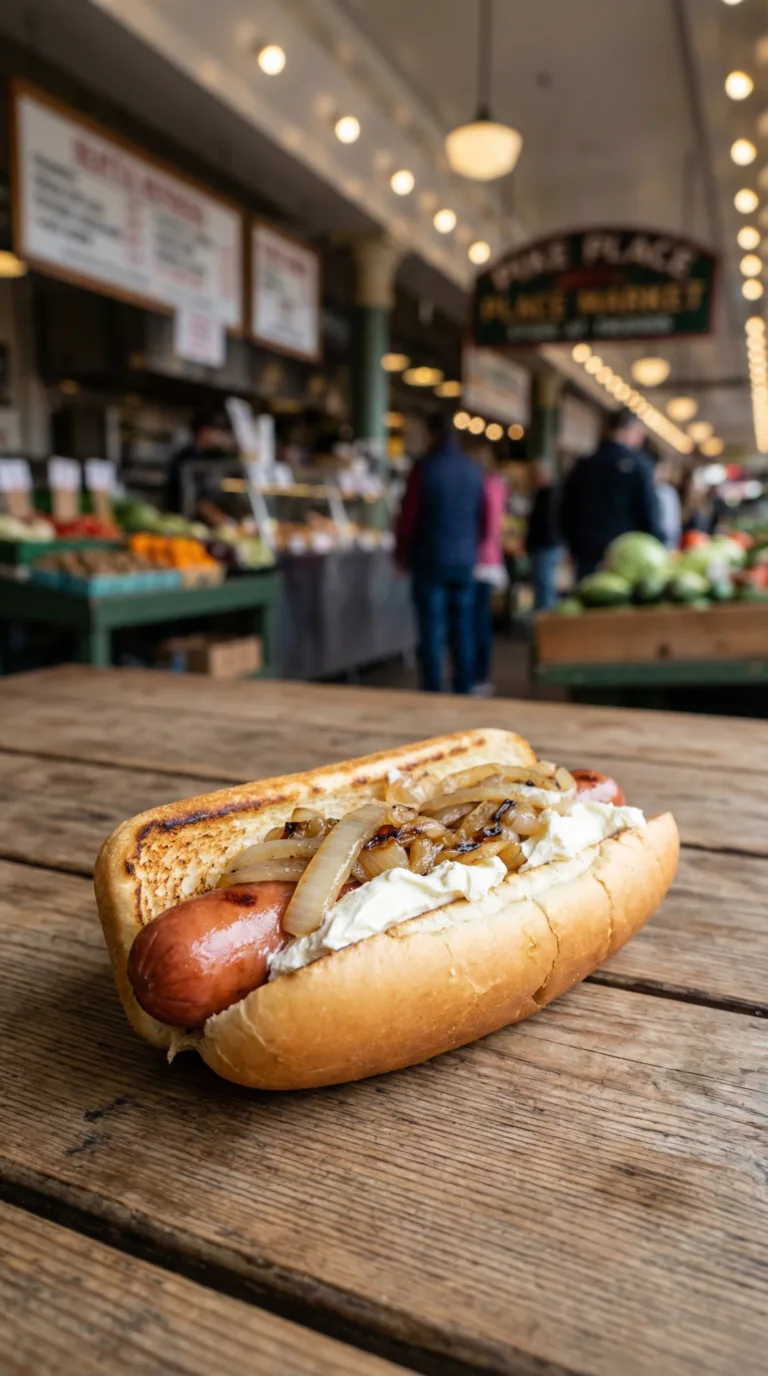
Seattle has 5,000+ restaurants according to city business licensing data. You’ll eat well here. The Seattle Dog is the local obsession, a hot dog slathered with cream cheese and grilled onions. Street carts sell them for $5. Find one near Pike Place Market after midnight.
Pike Place Market is the real food destination. Fresh salmon. Dungeness crab. Oysters from Puget Sound. The Pike Place Market Directory lists over 80 food vendors and restaurants inside the market complex. Grab smoked fish to go or sit down for clam chowder at the waterfront stalls.
Coffee culture here is serious. The original Starbucks opened in 1971 at Pike Place. Skip the tourist line. Walk three blocks to any independent roaster instead. Espresso Vivace. Victrola. Slate Coffee.
Canlis is the fine dining institution, $300 per person, reservations months out. Maneki in the International District has served Japanese food since 1904. Spinasse does Northern Italian pasta. Lola closed in 2024, so scratch that one off your list.
The International District feeds you well. Uwajimaya is the massive Asian grocery with a food court. Dim sum at Jade Garden costs $15 per person. According to the Seattle Restaurant Alliance, the neighborhood has 150+ Asian restaurants within six blocks.
Momiji serves Japanese comfort food in Fremont. Oddfellows does brunch in Capitol Hill, expect a 45-minute wait on weekends. Pacific Northwest seafood shows up everywhere. Order the salmon. Always order the salmon.
Where to Stay in Seattle
Downtown Seattle concentrates most visitor accommodations within walking distance of Pike Place Market, with the Westin Seattle and waterfront hotels offering premium access to major attractions.
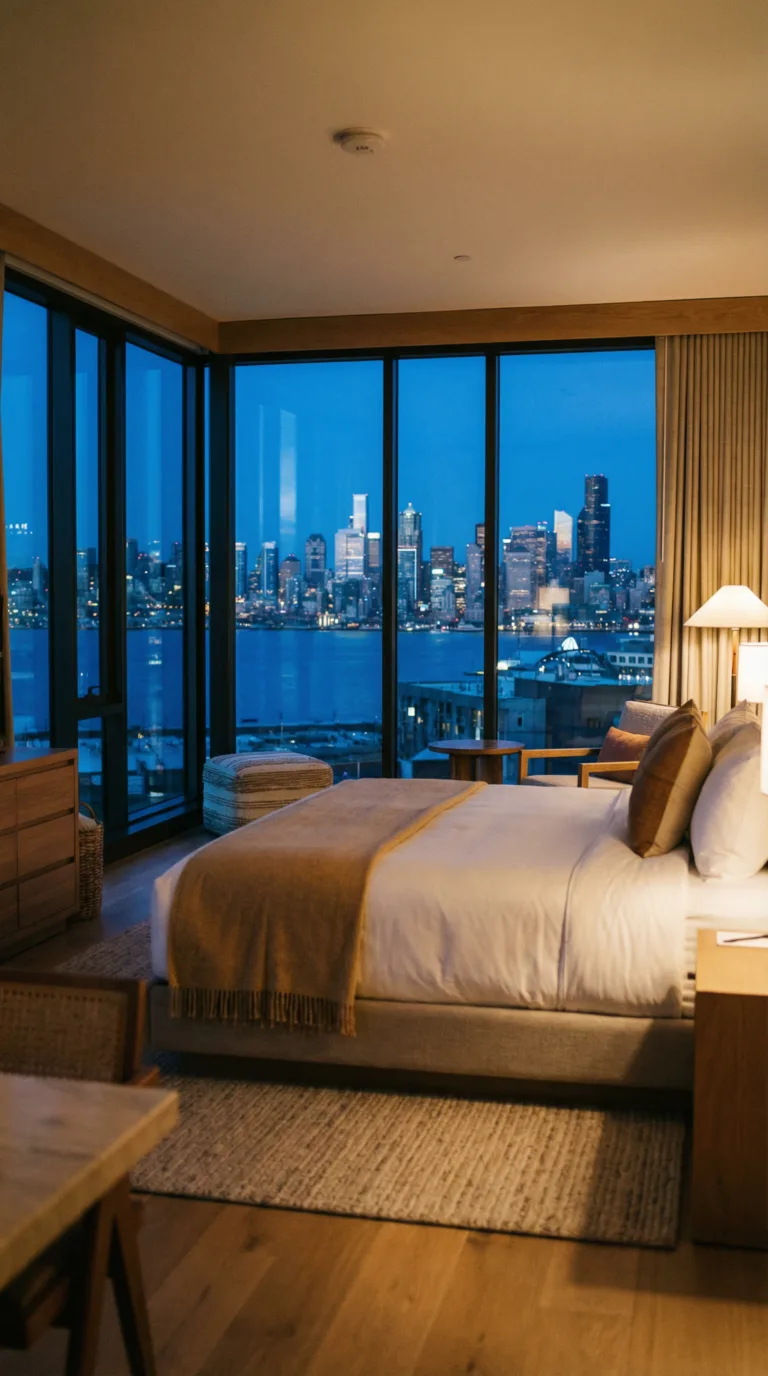
Downtown Seattle puts you in the center of everything. Pike Place Market is a 10-minute walk from most hotels here. The waterfront sits two blocks west. According to Visit Seattle, downtown holds over 12,000 hotel rooms, the city’s largest concentration of visitor lodging.
The Westin Seattle anchors the downtown hotel scene with twin cylindrical towers near Westlake Center. Solid mid-range option. The W Seattle offers boutique luxury a few blocks south if you want more style and smaller scale.
Waterfront hotels deliver Elliott Bay views and direct access to Pier 57 and the Seattle Aquarium. You pay a premium for the location, expect $250+ per night in summer.
Seattle Center works if you’re prioritizing the Space Needle and museums. South Lake Union puts you near Amazon’s campus and newer hotels with lower rates. Capitol Hill and Ballard trade convenience for neighborhood character, breweries, indie shops, local restaurants within walking distance of your room.
Getting to and Around Seattle
Seattle-Tacoma International Airport, located 14 miles south of downtown, connects to the city center via Link light rail in 38 minutes for $3.00, with trains departing every 6-15 minutes.
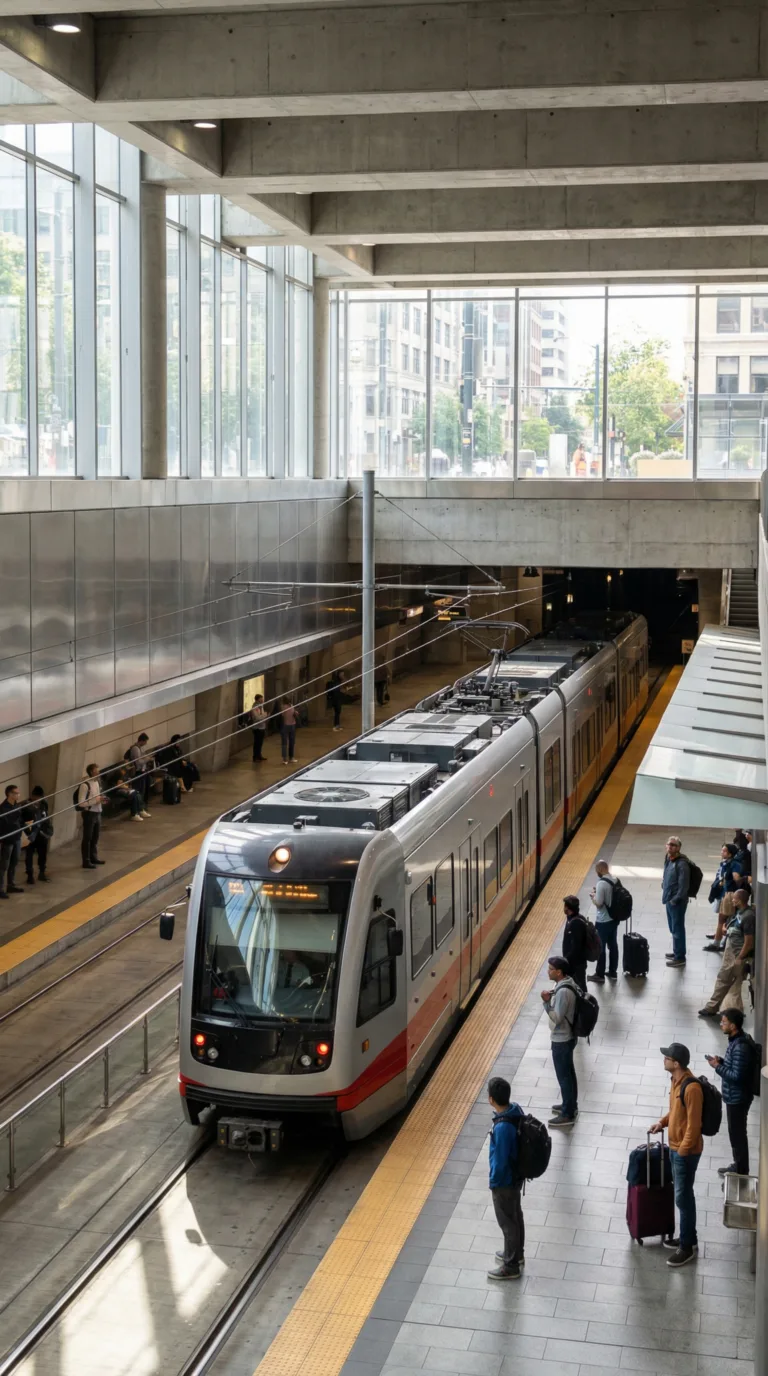
Seattle-Tacoma International Airport handles over 51 million passengers annually, according to Port of Seattle data. Most travelers arrive here. The Seattle-Tacoma International Airport ground transportation page lists all your options, but the Link light rail beats them all for speed and cost.
The Sound Transit Link light rail schedules and maps show trains running every 6 to 15 minutes depending on time of day. You’ll reach Westlake Station downtown in 38 minutes for $3.00. Rideshares cost $45 to $60 and take longer during rush hour.
Downtown Seattle is walkable. Pike Place Market, the waterfront, and Pioneer Square sit within a 20-minute walk of each other. Seattle traffic ranks among the worst in the U.S., the 2025 INRIX Global Traffic Scorecard placed it in the top 10 for congestion. Skip the rental car unless you’re planning day trips to Mount Rainier or the San Juan Islands.
The King County Metro trip planner and bus routes cover the entire city. Buses run frequently and cost $2.75 per ride. The streetcar connects Capitol Hill to Pioneer Square. The monorail runs between downtown and Seattle Center, a novelty from the 1962 World’s Fair, but it works.
Water taxis cross Elliott Bay to West Seattle in 12 minutes. Bike-share stations and electric scooters cluster around tourist areas if you want two-wheeled freedom.
Day Trips from Seattle
Seattle’s location provides access to Olympic National Park (90 miles west), Mount Rainier National Park (85 miles southeast), and Bellingham (90 miles north), all reachable within 2 hours’ drive.
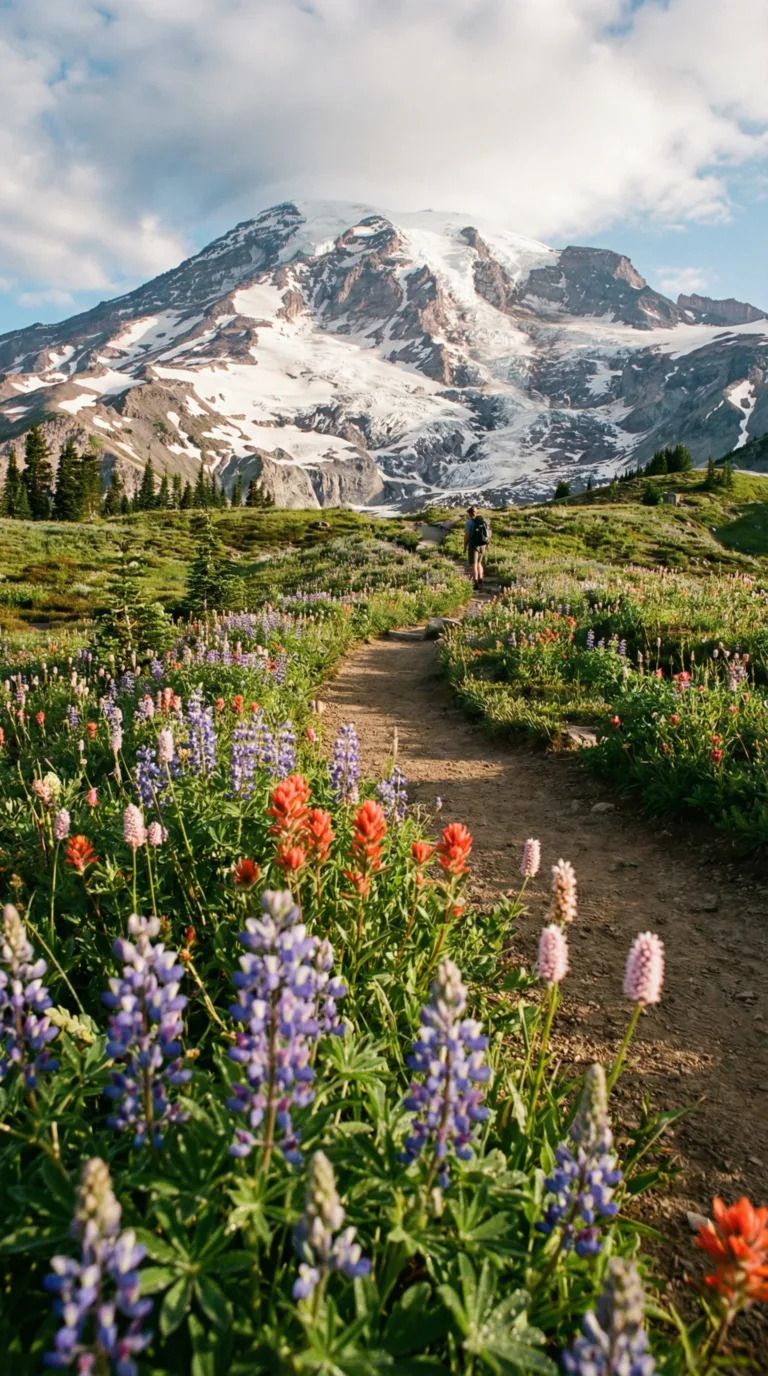
Seattle sits at the center of Washington State‘s best geography. Mountains rise to the east. Islands scatter across Puget Sound. The Pacific coast spreads west. You can hit alpine meadows, temperate rainforest, or coastal tide pools in the same day.
Olympic National Park
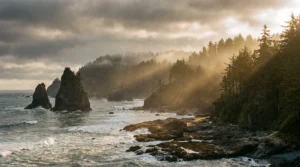
Olympic National Park packs three ecosystems into one park 90 miles west of Seattle. The Hoh Rainforest gets 140 inches of rain annually. Moss drips from Sitka spruce. Elk wander through fern groves. Drive another hour and you hit the Olympic Peninsula Coast, driftwood beaches, sea stacks, tide pools full of starfish. According to the National Park Service, Olympic draws over 3 million visitors per year. Hurricane Ridge offers alpine hiking at 5,200 feet with views across the Strait of Juan de Fuca. The park requires a full day minimum. Two days is better.
Mount Rainier National Park
Mount Rainier National Park sits 85 miles southeast. The volcano dominates Seattle’s skyline on clear days, all 14,411 feet of it. Paradise area gets 640 inches of snow each winter. Summer turns the meadows purple with lupine. Glaciers carve the upper slopes. Trails range from paved loops to multi-day backcountry routes. The Nisqually entrance stays open year-round. Sunrise area opens late June through September. Expect crowds on summer weekends. Arrive before 9 AM or after 3 PM.
Tacoma
Tacoma sprawls 35 miles south. The Museum of Glass sits on the waterfront, Dale Chihuly’s hometown museum with a working hot shop. Point Defiance Park covers 760 acres with beaches, old-growth forest, and a zoo. The Tacoma Dome hosts concerts. Downtown has decent Vietnamese food in the Hilltop neighborhood. Tacoma makes sense as a half-day add-on if you’re already driving to Mount Rainier.
Bellevue
Bellevue sits across Lake Washington, connected by I-90 and SR-520 bridges. The Bellevue Collection includes three shopping centers. Downtown Park has a 240-foot-wide waterfall. Meydenbauer Bay Park offers lake access. Bellevue Square pulls crowds for high-end retail. The city feels suburban compared to Seattle’s density. Traffic on the bridges backs up during rush hour.
Whidbey Island
Whidbey Island stretches 55 miles north of Seattle. The Mukilteo ferry takes 20 minutes to Clinton. Deception Pass Bridge connects the island’s north end to the mainland, 180 feet above churning water. Coupeville preserves Victorian storefronts. Langley has art galleries and waterfront restaurants. Fort Casey State Park includes bunkers and a lighthouse. Check Washington State Ferries Schedules before driving. Summer waits can hit 2 hours.
Bellingham
Bellingham sits 90 miles north near the Canadian border. Western Washington University brings 16,000 students. Fairhaven Historic District has bookstores and breweries. Whatcom Falls Park covers 241 acres. The city serves as the gateway to North Cascades National Park. Diablo Lake glows turquoise 60 miles east, glacial flour suspended in the water creates the color. Ross Lake extends 23 miles into the backcountry. The Cascade Range dominates the eastern horizon.
Spokane
Spokane requires a longer haul, 280 miles east across the state. The climate shifts with wet coastal and dry inland. Riverfront Park sits downtown with a 1909 carousel. Manito Park includes a Japanese garden. The Eastern Washington Scablands spread south of the city, channeled scablands carved by Ice Age floods. Spokane makes sense as an overnight trip, not a day drive.
The Snoqualmie Region sits 30 miles east on I-90. Snoqualmie Falls drops 268 feet. The town has hiking trails and outlet shopping. Skagit Valley blooms with tulips each April, rows of red, yellow, and pink stretching to the horizon. The Tulip Festival runs through the month. Traffic gets thick on weekends.
Practical Information for Visiting Seattle
Seattle receives 38 inches of annual rainfall spread across 150 days, with July through September offering the driest weather and temperatures averaging 65-75°F during summer months.
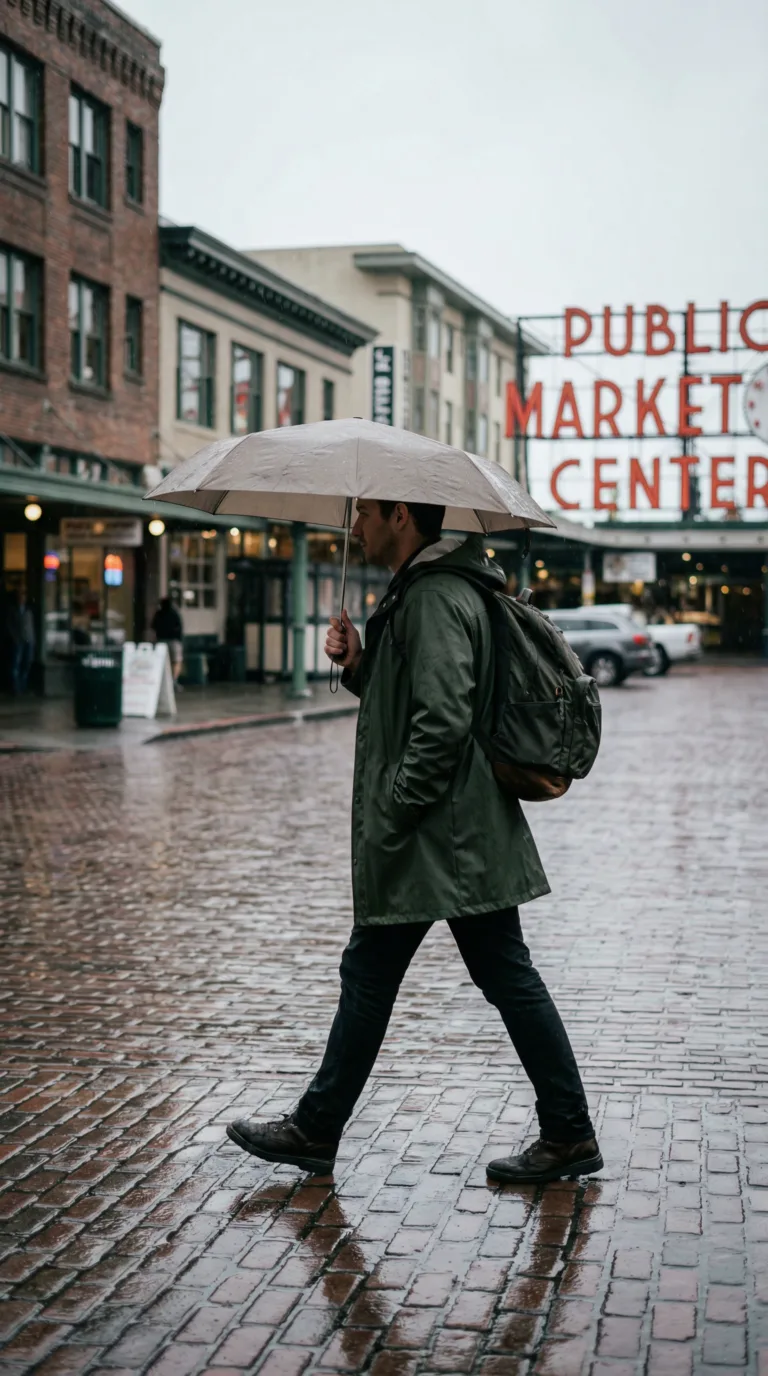
Seattle’s rain reputation exceeds reality. The city gets less annual precipitation than New York, Boston, or Miami. The difference? Seattle’s rainfall spreads across more days in lighter drizzle rather than heavy downpours. Pack a waterproof jacket year-round. You’ll use it.
July through September deliver the best weather. Temperatures sit between 65-75°F with minimal rain. Tourist crowds peak during these months. Expect higher hotel rates and longer lines at Pike Place Market. According to the National Weather Service Seattle, the city averages just 0.7 inches of rain in July, the driest month.
Winter transforms the city into a different experience. December brings holiday markets at Westlake Center and the Seattle Center Winterfest. Indoor attractions like the Museum of Pop Culture and Seattle Art Museum become primary destinations. Temperatures rarely drop below 40°F. Snow? Maybe once or twice per year, and the city shuts down when it happens.
Pack in layers. Mornings start cool even in summer. A fleece or light sweater works under your rain jacket. Comfortable walking shoes matter more than fashion, Seattle’s hills will test your footwear choices. The city sits in the Pacific Time Zone, three hours behind the East Coast.
Frequently Asked Questions About Seattle
What are the best things to do in Seattle?
Visit Pike Place Market and the first Starbucks, go up the Space Needle, see Chihuly Garden and Glass, explore the Museum of Pop Culture, ride the waterfront and the Seattle Great Wheel, tour Pioneer Square, and take a ferry across Puget Sound.
How many days do you need in Seattle?
Three days is ideal: one for downtown, Pike Place, and the waterfront, one for Seattle Center (Space Needle, Chihuly, MoPOP), and one for neighbourhoods like Capitol Hill and Ballard or a day trip. Two days covers the highlights if time is short.
What is the best time to visit Seattle?
Summer (late June to September) is warmest, driest, and sunniest — the best time for the islands, ferries, and Mount Rainier. Spring and fall are mild and quieter; winter is cool and rainy but good for lower prices, museums, and coffee culture.
Is Seattle expensive to visit?
Seattle is one of the pricier US cities for hotels and dining, especially downtown in summer. Save by visiting in shoulder seasons, using transit and the monorail, buying a CityPASS for big attractions, and enjoying free spots like Pike Place, parks, and the waterfront.
How do you get around Seattle?
Downtown is walkable, and light rail links Sea-Tac Airport to downtown, Capitol Hill, and the U-District. Buses, streetcars, the monorail, and Washington State Ferries cover the rest. A car is handy mainly for day trips to Mount Rainier, the Olympic Peninsula, or the islands.