Estimated reading time: 13 minutes
Last updated: August 2026
Is Fort Worth Worth Visiting?
Yes — Fort Worth is well worth visiting, especially for Western culture and museums. Nicknamed ‘Cowtown,’ it is home to the Fort Worth Stockyards with its twice-daily longhorn cattle drive and rodeo, a world-class Cultural District (the Kimbell and the Modern Art Museum), the Fort Worth Zoo, and the walkable Sundance Square downtown. It feels more laid-back than neighbouring Dallas and makes a great trip on its own or paired with Dallas.
Want to experience Fort Worth’s cowboy culture firsthand? Watch our complete Fort Worth travel guide in 4K.
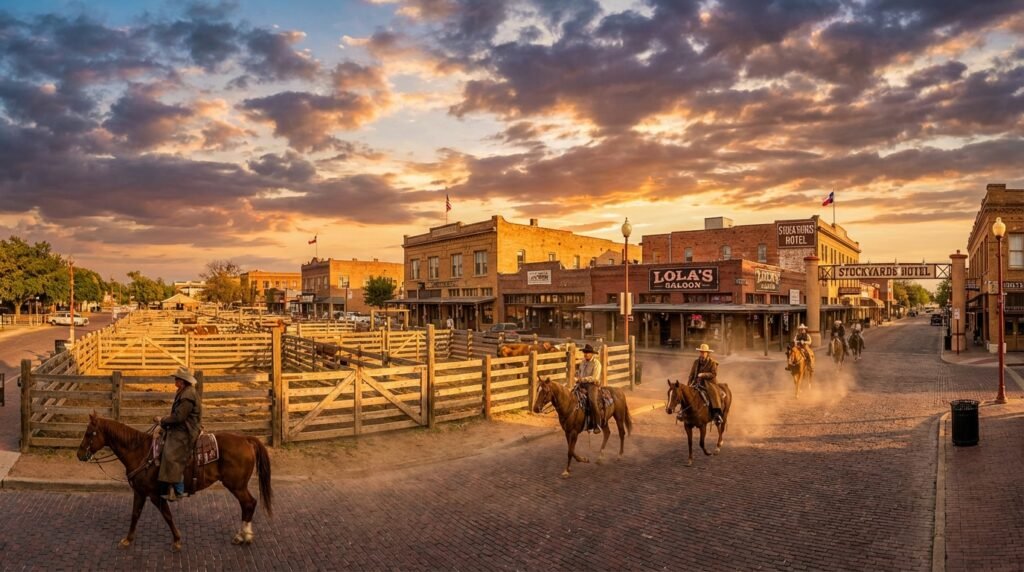
The Fort Worth Stockyards still echo with the sound of longhorn hooves twice daily. Cowboys drive cattle down brick streets at 11:30 a.m. and 4 p.m., just as they did over a century ago. This is Fort Worth, the city of Fort Worth that Texans call Cowtown, where authentic Western heritage meets modern city life.
Fort Worth gives you both sides of Texas. You can watch rodeos at the Stockyards in the morning and tour top-quality art museums downtown by afternoon. The Fort Worth Zoo houses over 7,000 animals across 64 acres. Sundance Square downtown fills 35 blocks with restaurants, shops, and live music venues. The city sits 30 miles west of Dallas, connected by highway and rail.
This guide covers Fort Worth’s top attractions, neighborhoods worth exploring, where to eat and sleep, and how to get around. We also include day trips to Austin, San Antonio, and Big Bend National Park. For official visitor information, check Visit Fort Worth.
Top Attractions in Fort Worth
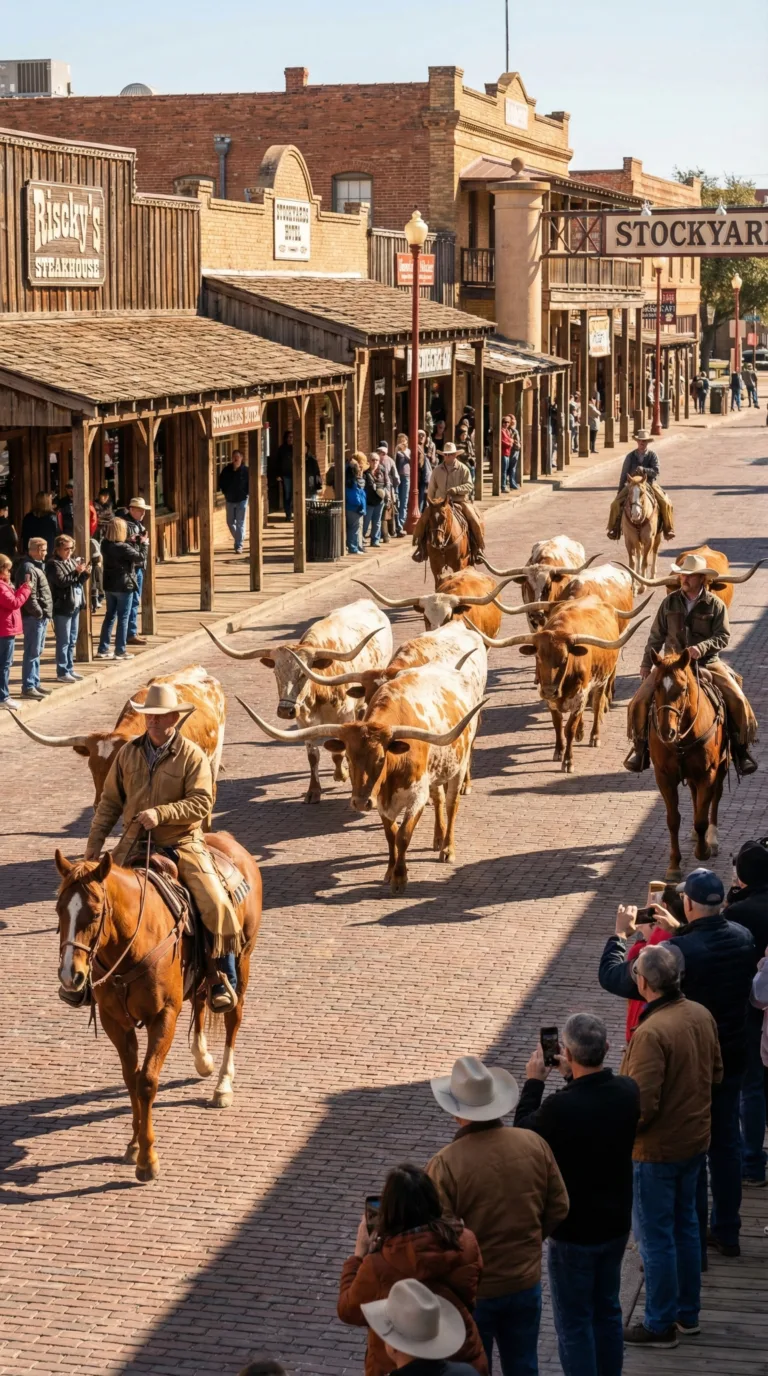
The Fort Worth Stockyards National Historic District sits at the heart of the city’s Western identity. This former livestock trading center once processed millions of cattle during its peak years in the early 1900s. Today, it stands as a preserved heritage site where cowboy culture lives on through daily demonstrations and authentic experiences.
Twice each day, at 11:30 a.m. and 4:00 p.m., longhorn cattle walk down brick-paved Exchange Avenue led by mounted cowboys. The drive lasts about 15 minutes and draws crowds who line the wooden sidewalks to watch. After the cattle pass, you can explore Western shops selling boots, hats, and leather goods along the same street.
The Fort Worth Zoo consistently ranks among the top five zoos in the United States. More than 7,000 animals from 500 species live here across themed habitats. The Texas Wild section recreates native ecosystems with black bears, alligators, and prairie dogs. The Museum of Living Art houses one of the country’s largest reptile and amphibian collections. General admission costs $22 for adults and $18 for children ages 3-12.
Downtown, Sundance Square covers 35 blocks of restaurants, shops, and theaters connected by brick sidewalks. The district takes its name from the Sundance Kid, who once hid out in Fort Worth. Street performers and musicians work the plaza on weekends.
Fort Worth’s Cultural District clusters four major museums within walking distance. The Kimbell Art Museum displays works by Caravaggio, Monet, and Picasso in a building designed by Louis Kahn. The Modern Art Museum focuses on post-World War II art. The Amon Carter Museum specializes in American art from the 19th and 20th centuries. The Fort Worth Botanic Garden spreads across 110 acres with 2,500 plant species, including a Japanese Garden that requires a separate $7 admission.
Texas Motor Speedway hosts NASCAR Cup Series races on its 1.5-mile oval track. When races aren’t running, the facility offers behind-the-scenes tours for $10 per person and driving experiences where you can take a stock car around the track starting at $99 for three laps.
Fort Worth Neighborhoods Guide
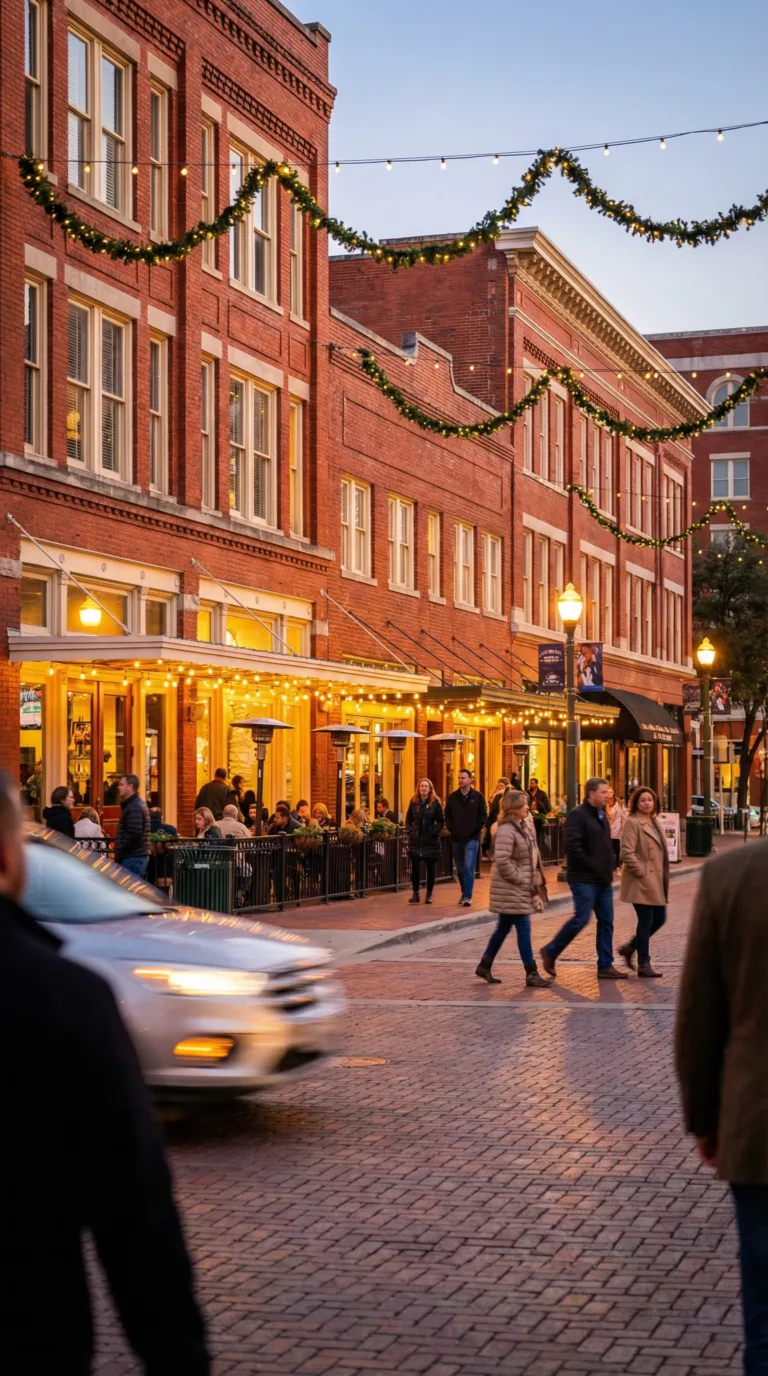
Fort Worth downtown centers on Sundance Square, a 35-block district packed with restaurants, shops, and theaters. This walkable area serves as the city’s business and entertainment hub. Most hotels and upscale dining sit within a few blocks of the square. Check the Official Sundance Square website with district map and directory for current businesses and events.
The Stockyards District sits two miles north of downtown. This historic quarter houses Western-themed hotels, honky-tonks, and boot shops. Tourists flock here for the twice-daily cattle drive and cowboy atmosphere.
West of downtown, the Cultural District holds the city’s major museums, the Botanic Garden, and quiet residential streets. Upscale restaurants line the area around the museums.
North Fort Worth spreads into residential suburbs with shopping centers and chain restaurants. Families settle here for the schools and newer housing. South Fort Worth offers more affordable homes and local Mexican and Vietnamese restaurants. The Texas Christian University campus anchors West Fort Worth, where college bars and cheap eats cater to students. Fort Worth suburbs extend into neighboring cities like Arlington and Keller, forming part of the larger Dallas-Fort Worth metro area.
Where to Eat in Fort Worth
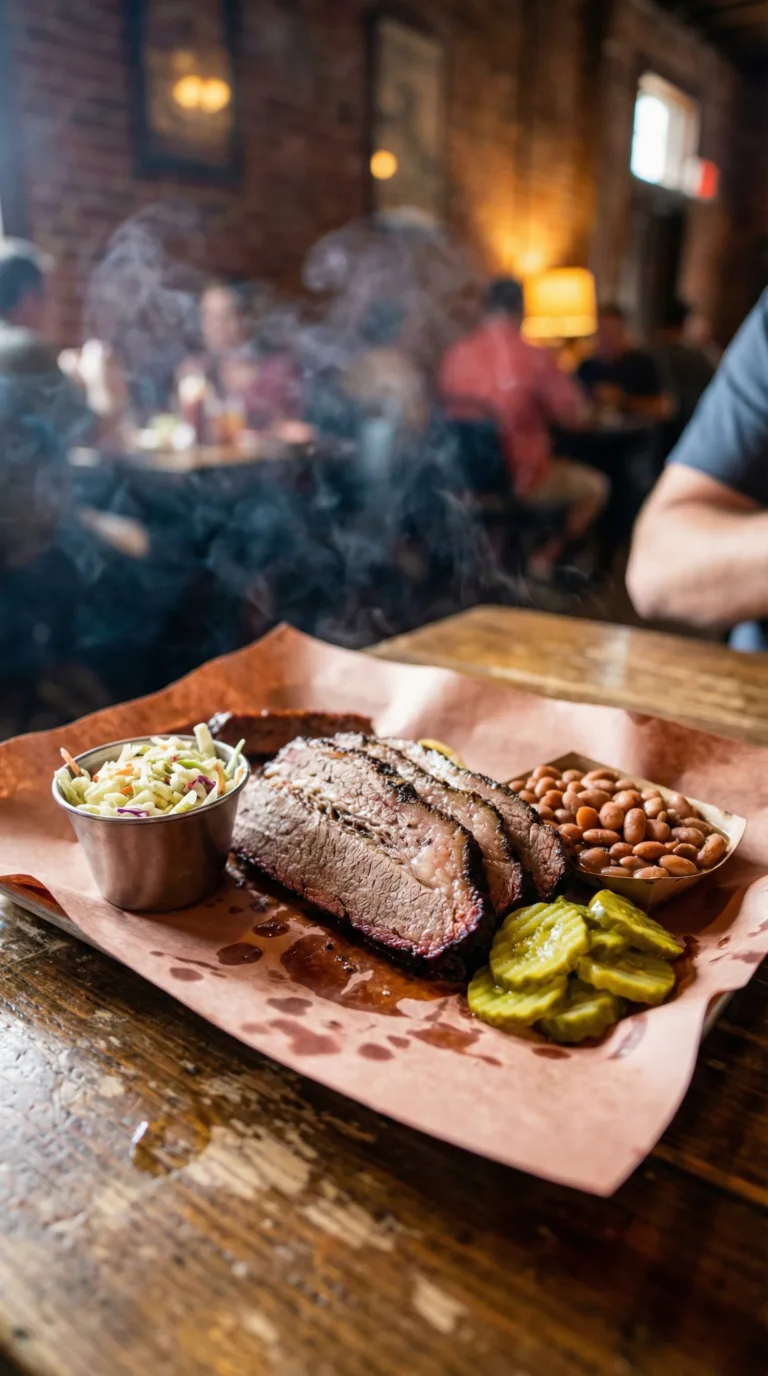
Fort Worth restaurants serve up Texas flavors that range from slow-smoked brisket to upscale steaks. The city’s dining scene reflects its cowboy roots while embracing modern farm-to-table cooking.
In the Stockyards, you’ll find Western-themed steakhouses and casual spots serving chicken-fried steak and cold beer. Many restaurants feature live country music and decor that nods to the area’s cattle-trading past.
Downtown Fort Worth restaurants cluster around Sundance Square, where you can choose from rooftop bars, Tex-Mex cantinas, and upscale American bistros. The area offers more variety than the Stockyards, including Italian, Asian, and contemporary Southern cuisine.
Texas specialties worth trying include barbecue brisket rubbed with black pepper and salt, then smoked for 12 hours. Chicken-fried steak comes breaded and fried, topped with cream gravy. Local breweries pour craft beers that pair well with both.
The Hulen Mall area offers chain restaurants and casual dining if you prefer familiar options. Food trucks park near downtown offices during lunch hours, and farmers markets run on weekends.
For current restaurant recommendations and reservations, check the Fort Worth Convention & Visitors Bureau restaurant guide.
Where to Stay in Fort Worth
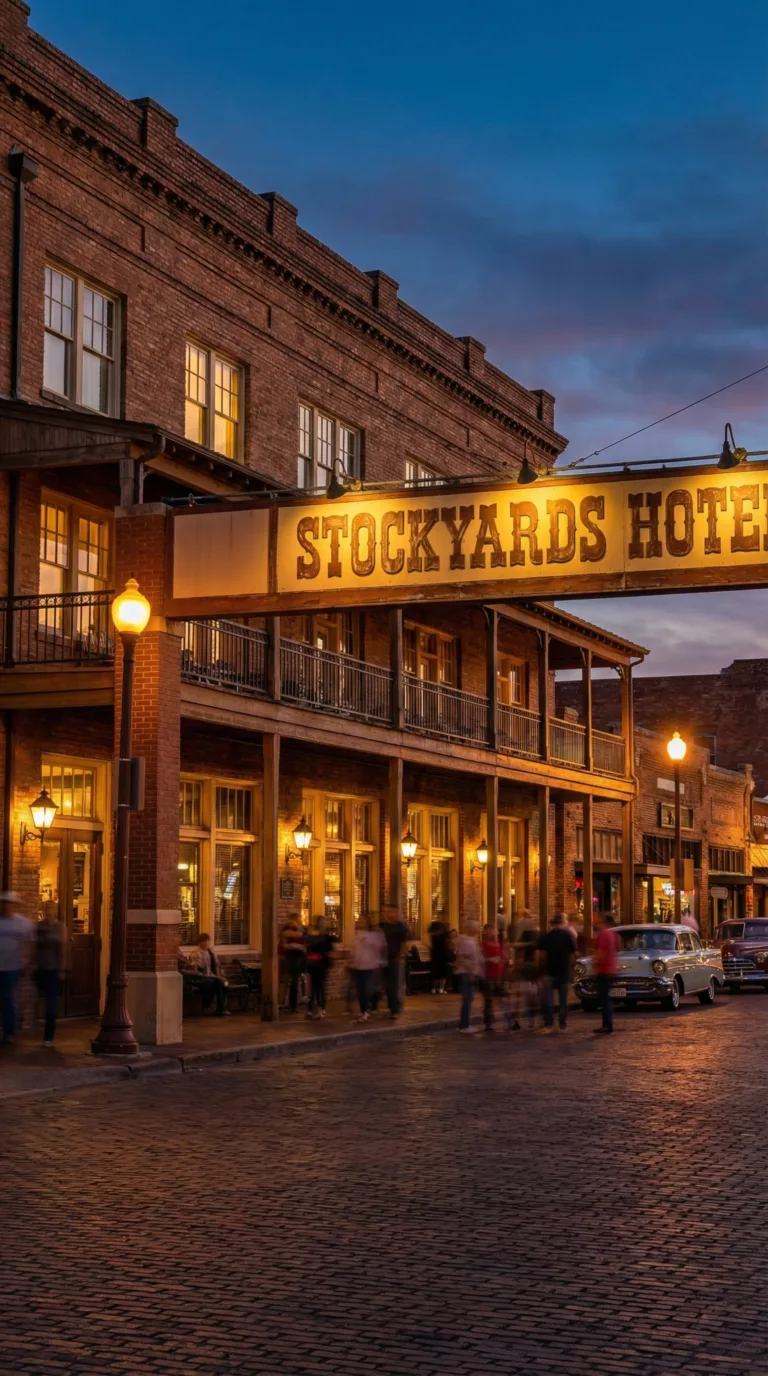
Your choice of neighborhood shapes your Fort Worth experience. The city offers options from cowboy-themed lodging to modern business hotels.
Fort Worth Stockyards hotels put you in the middle of the action. These properties feature Western decor, exposed brick, and easy access to the twice-daily cattle drives. You can walk to rodeos, honky-tonks, and Billy Bob’s Texas in minutes. Historic buildings house boutique hotels alongside chain properties with Western touches. Expect to pay more here, especially during rodeo season and major events. Check Fort Worth Stockyards hotels & lodging for current options.
Fort Worth downtown hotels serve business travelers and visitors who want modern amenities. These properties cluster around Sundance Square and the convention center. You get walkable access to restaurants, bars, and the Bass Performance Hall. Museums sit a short drive away. Downtown works well if you plan to split time between attractions across the city.
Budget travelers find better rates at chain hotels near major highways, in suburban areas, or by the airport. The Cultural District offers a quieter base near museums. West Fort Worth, near TCU, provides residential calm with good restaurant access.
Book early if you visit during the Fort Worth Stock Show in January or other major rodeo weekends. Prices jump and rooms fill quickly. Browse Visit Fort Worth accommodations to compare neighborhoods and rates.
Getting to and Around Fort Worth
Most visitors fly into Dallas/Fort Worth International Airport, a major hub sitting 20 miles from downtown Fort Worth. The airport serves both cities and spans five terminals, so check your DFW Airport Terminal Maps before your flight and allow extra time for connections if you need to switch terminals. For private or regional flights, Fort Worth Meacham Airport offers a smaller alternative closer to the city center.
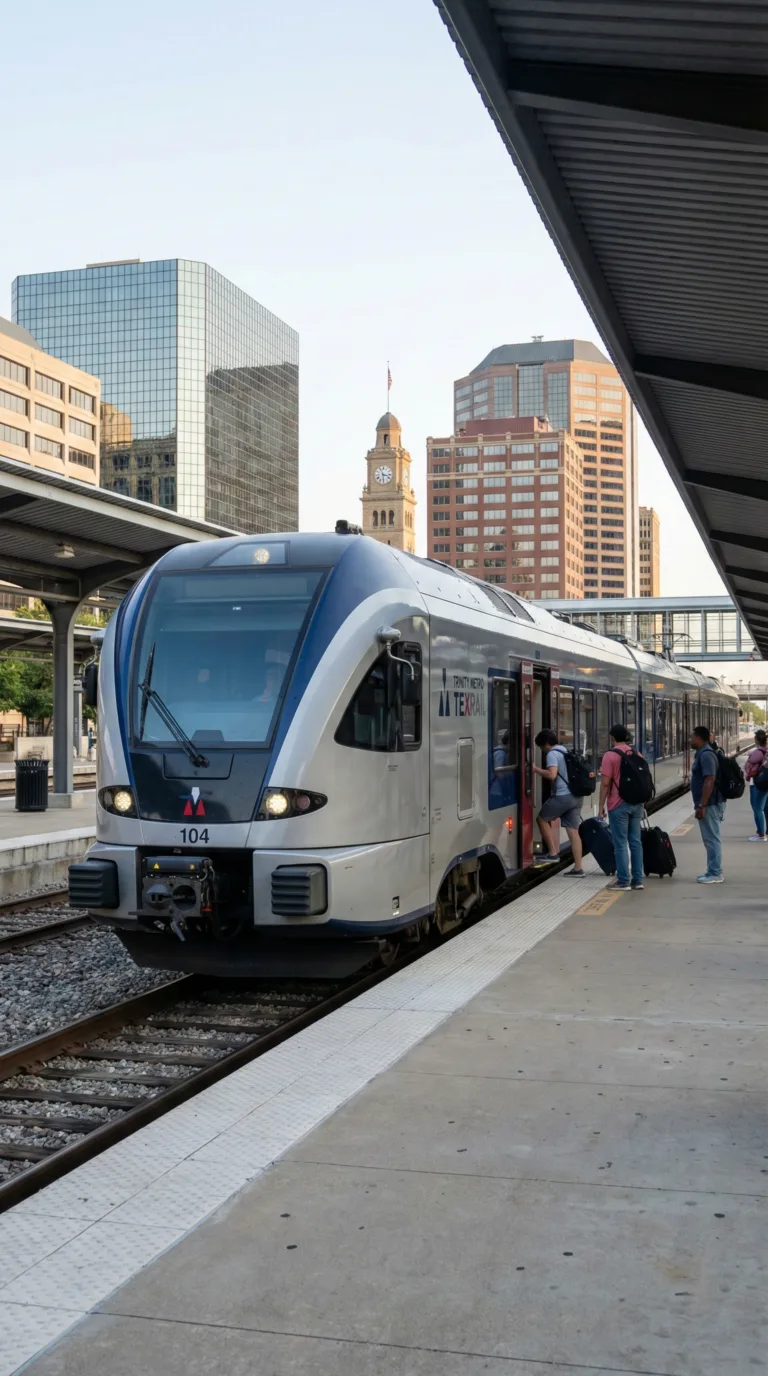
From DFW, the Trinity Metro TEXRail train reaches downtown Fort Worth in 52 minutes. Rental cars, rideshare services, and taxis also operate from all terminals. If you plan to explore only the Stockyards and Sundance Square, TEXRail plus local buses or rideshare will cover your needs.
Fort Worth sits 30 to 35 miles from Dallas. The Trinity Railway Express (TRE) Schedule shows commuter rail service connecting both downtowns, making day trips easy without a car. Trinity Metro buses and Molly the Trolley (free in downtown) handle local trips. The Stockyards and Sundance Square are walkable once you arrive, but you will need a car or rideshare to reach the zoo and other attractions outside the core. Major highways include I-35W and I-30. Parking costs money in downtown lots, but spaces are usually available.
Day Trips from Fort Worth
Fort Worth sits at the center of Texas, which makes it a perfect base for exploring the state. You can reach major cities, Gulf Coast beaches, and desert canyons all within a few hours’ drive.
Dallas lies just 30 miles east. The drive takes 35 to 45 minutes by car, or you can ride the TRE commuter train. Visit the Sixth Floor Museum at Dealey Plaza, walk through the Dallas Arts District, or ride the elevator up Reunion Tower for city views. Deep Ellum offers live music and late-night food.
Head south for three hours to reach Austin, the state capital. The city runs on live music, food trucks, and university energy. Shop vintage stores on South Congress, rent a kayak on Lady Bird Lake, or catch a show on Sixth Street.
Continue south another hour to San Antonio, where the River Walk winds through downtown past restaurants and bars. Tour the Alamo, visit four Spanish missions along the river, and eat Tex-Mex in Market Square.
The drive to Houston takes four and a half hours southeast. The Museum District holds 19 museums within walking distance. Space Center Houston shows real mission control rooms and spacecraft. The city’s restaurant scene reflects its international population.
Waco sits 90 minutes south. Magnolia Market draws fans of Chip and Joanna Gaines. Walk the suspension bridge over the Brazos River, tour the Dr Pepper Museum, or hike Cameron Park’s limestone cliffs.
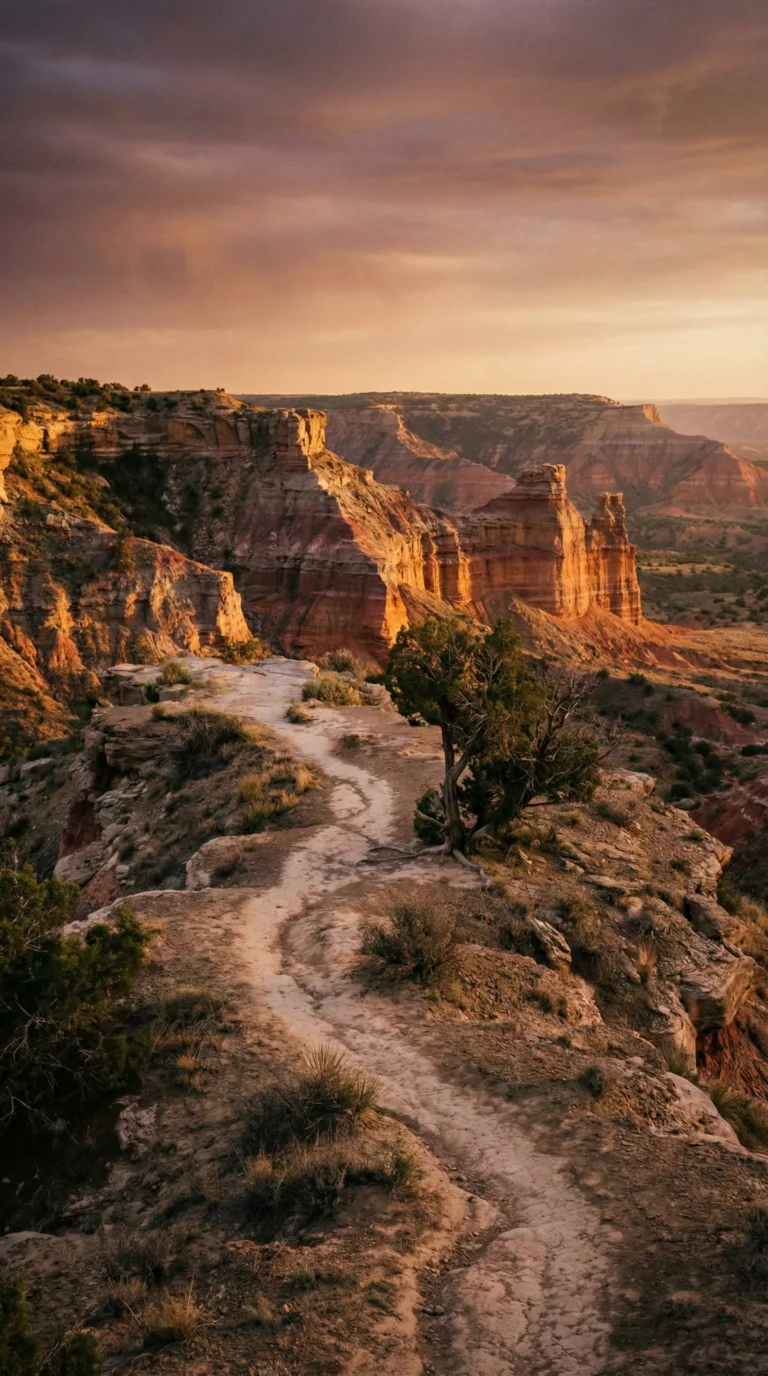
For natural landscapes, drive five hours northwest to Palo Duro Canyon near Amarillo. This canyon stretches 120 miles long and drops 800 feet deep, making it the second-largest canyon system in the United States. Red rock layers show 250 million years of geology. Hike the Lighthouse Trail or camp under dark skies. Check Texas Parks & Wildlife for current conditions.
Big Bend National Park requires seven to eight hours of driving west, but the remote desert wilderness rewards the effort. The Rio Grande carves through canyon walls, and the Chisos Mountains rise from the desert floor. Plan a multi-day trip to explore properly. Visit the Big Bend National Park website before you go.
Drive five and a half hours west to Guadalupe Mountains National Park, where Guadalupe Peak reaches 8,749 feet (the highest point in Texas). Desert trails lead through canyons that turn gold and red in October. The park sees fewer visitors than Big Bend but offers equally dramatic scenery. Check the Guadalupe Mountains National Park site for trail updates.
For a shorter trip, Possum Kingdom Lake sits two hours west. Rent a boat, fish for bass, or photograph Hell’s Gate, a narrow passage between 90-foot cliffs. The lake makes a good weekend escape.
Beach towns line the Gulf Coast five to six hours south. Corpus Christi offers the USS Lexington aircraft carrier museum and the Texas State Aquarium. Galveston Island preserves Victorian architecture in the Strand Historic District. Drive through Aransas Pass and Port Isabel to reach Isla Blanca Park at the southern tip of South Padre Island, where the Queen Isabella Causeway crosses the Laguna Madre.
Closer to home, Glen Rose (90 minutes southwest) preserves dinosaur tracks in the Paluxy River. Granbury (60 minutes southwest) centers on a historic courthouse square. The Fort Worth Nature Center (20 minutes northwest) protects 3,600 acres of forest and prairie.
Fort Worth pairs perfectly with neighboring Dallas, located just 30 miles east via I-30.
For another taste of Texas history and culture, consider exploring Waco, about 90 miles south of Fort Worth.
Fort Worth exemplifies the diverse experiences available across the Lone Star State, from its western heritage to modern cultural attractions.
Music lovers and food enthusiasts often combine their Fort Worth visit with a trip to Austin, just a three-hour drive south.
Frequently Asked Questions
What are the best things to do in Fort Worth?
Visit the Fort Worth Stockyards for the twice-daily longhorn cattle drive and rodeo, explore the Cultural District museums (the Kimbell and the Modern), see the Fort Worth Zoo, stroll Sundance Square downtown, and catch live music at Billy Bob’s Texas, the world’s largest honky-tonk.
What is Fort Worth best known for?
Fort Worth is known as ‘Cowtown’ for its Western heritage, centred on the Stockyards National Historic District with its cattle drives and rodeos. It is also famous for first-class art museums in the Cultural District and a friendly, laid-back Texas atmosphere.
How far is Fort Worth from Dallas?
Fort Worth is about 30 miles west of Dallas, a 30–45 minute drive on I-30. The TEXRail and TRE commuter trains also connect the two cities, so it is easy to visit both on one Dallas–Fort Worth trip.
How many days do you need in Fort Worth?
Two days covers the highlights: one for the Stockyards and a rodeo, and one for the Cultural District museums, the zoo, and downtown. Add a third day for day trips or to pair Fort Worth with nearby Dallas.
When is the best time to visit Fort Worth?
Spring (March to May) and fall (September to November) have the most comfortable weather. Winter brings the Fort Worth Stock Show & Rodeo (January–February); summers are hot, so plan indoor museums by day and the Stockyards in the evening.