This guide contains affiliate links. As an Amazon Associate we earn from qualifying purchases — at no extra cost to you.
Estimated reading time: 13 minutes
Last updated: September 2026
What Are the Top 5 Things to Do in Big Bend National Park?
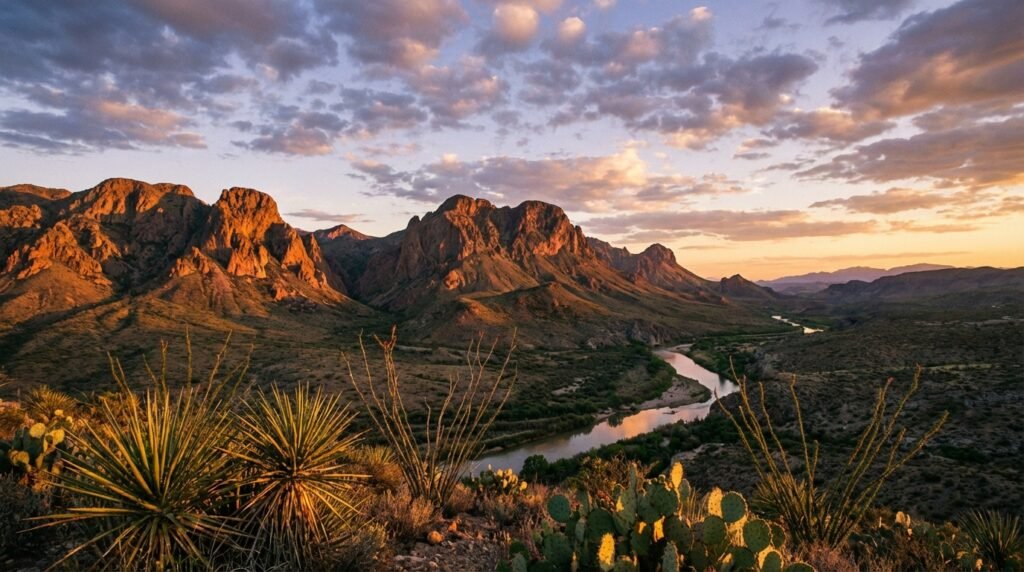
The top things to do in Big Bend are hiking the Window Trail in the Chisos Basin, walking into Santa Elena Canyon, soaking in the riverside hot springs, paddling the Rio Grande, and stargazing under some of the darkest night skies in the US. This 801,163-acre wilderness in the Chihuahuan Desert is one of America’s most remote and least-visited national parks, so you can often hike for hours without seeing another person.
Want to experience the raw beauty of Big Bend firsthand? Watch our complete travel guide in 4K Ultra HD.
The park sits in West Texas along the U.S.-Mexico border, where the Rio Grande makes a dramatic bend to the south. This is Big Bend National Park Texas at its finest: rugged mountains, endless desert, and skies so dark you can see the Milky Way with your naked eye. The Chisos Basin, a mountain bowl in the heart of the park, rises 5,400 feet above sea level and offers cooler temperatures and great views.
What makes Big Bend special is its raw, untouched character. There are no crowds, no traffic jams, and no cell service for most of the park — a satellite communicator is smart backup for emergencies out here. You’ll find top-quality stargazing (a pair of binoculars brings the Dark Sky views — and the wildlife — right in), challenging hikes, and a sense of wilderness that’s hard to find anywhere else in the lower 48 states. Check the Official Big Bend National Park website for planning information, and review Alerts & Conditions before your trip.
This guide covers everything you need to know: where to hike, where to stay, how to get there, and what to pack for this remote Texas desert.
Best Hikes and Trails in Big Bend National Park
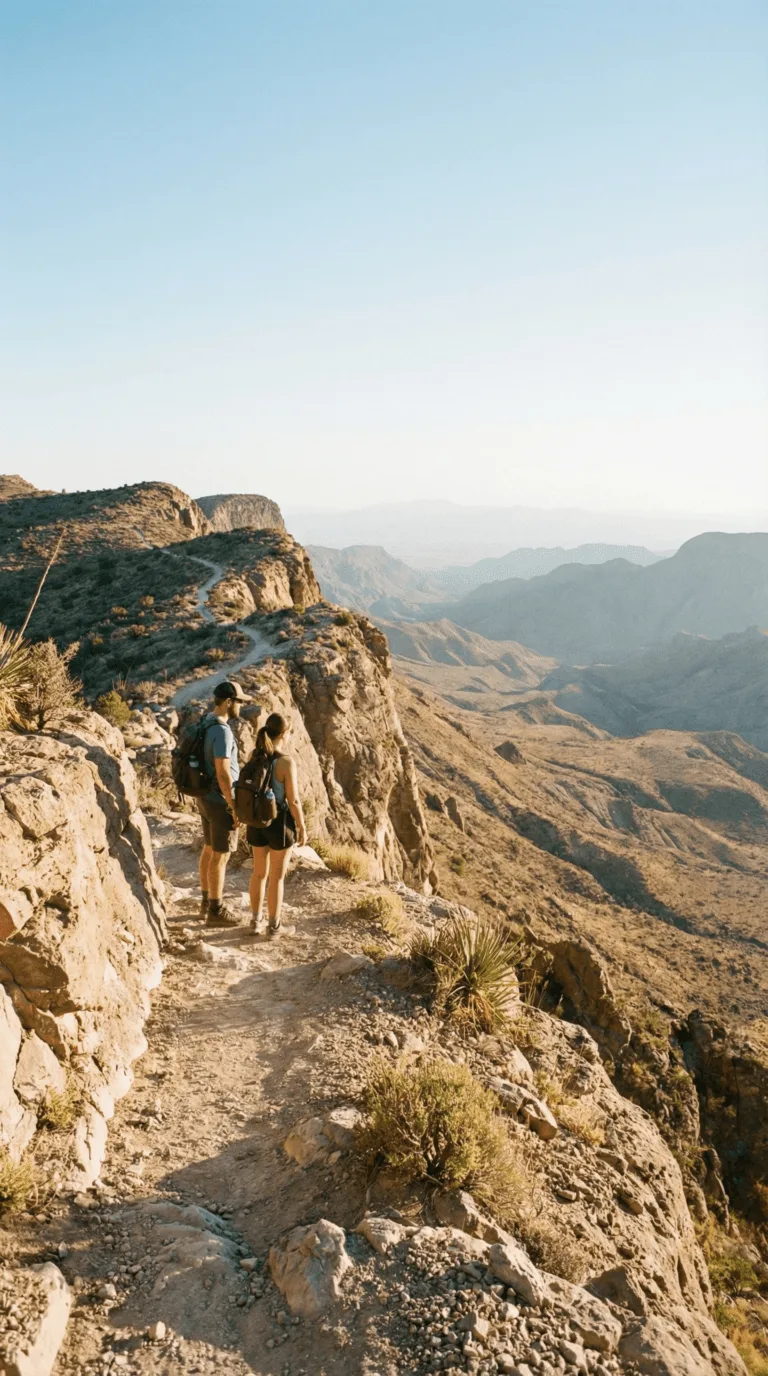
Hiking Big Bend National Park is the main draw for most visitors. The park offers over 200 miles of trails that range from easy nature walks to challenging mountain treks. You’ll find a trail that fits.
The South Rim Trail is one of the park’s premier Big Bend National Park hiking trails. This 12 to 14-mile loop climbs into the Chisos Mountains and delivers wide views from over 7,000 feet. The trail is challenging but worth every step. For something shorter, try the Lost Mine Trail, a moderate 4.8-mile round trip with excellent mountain vistas. The Window Trail is another favorite, a 5.6-mile hike that leads to a dramatic rock window overlooking the desert below. Down near the Rio Grande, the Santa Elena Canyon Trail is an easy 1.7-mile walk along towering canyon walls. You can check current trail conditions on the Day Hikes, Big Bend National Park page.
Big Bend National Park stargazing is top-quality. The park is an International Dark Sky Park with some of the darkest skies in North America. On clear nights, the Milky Way stretches across the sky in vivid detail. Bring a blanket, lie back, and watch for shooting stars. Rangers often lead stargazing programs where you can learn about constellations and planets. For more information, visit the Night Skies and Stargazing, Big Bend National Park page.
The Ross Maxwell Scenic Drive is a 30-mile paved route that cuts through desert landscapes and ends at Santa Elena Canyon. The drive has numerous pullouts where you can stop for photos or short hikes. It’s one of the best ways to see the park if you have limited time.
Big Bend National Park hot springs offer a unique experience. These historic natural hot springs sit along the Rio Grande, accessible via a short hike. You can soak in the warm water while looking across the river into Mexico. The springs are rustic and clothing-optional, so come prepared.
The Big Bend National Park Visitor Center at Panther Junction is the park’s headquarters. Stop here for exhibits, maps, and advice from rangers. It’s a good first stop to plan your visit.
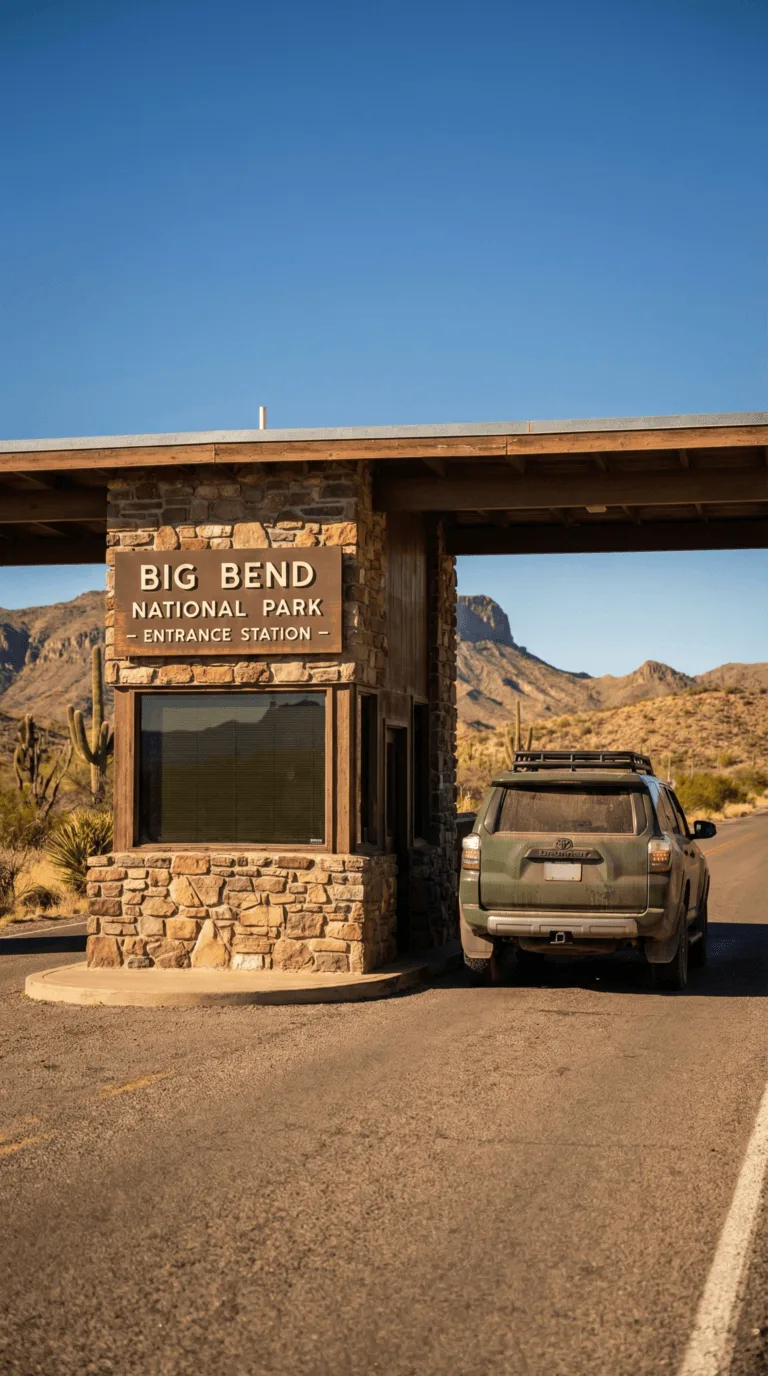
Big Bend National Park entrances include three main access points. Persimmon Gap is the north entrance, Maverick is on the east side, and the west entrance is near Study Butte. Each has an entrance station where you’ll pay your fee.
Other things to do in Big Bend National Park include wildlife watching, photography, river trips, and backcountry exploration. The park is remote and wild, so every visit feels like a true escape.
What should I pack for Big Bend National Park?
Big Bend swings from 110°F desert days to freezing mountain nights, with no cell service and 200+ miles of trail — so pack the hiking “ten essentials” with desert heat and Dark Sky nights in mind. The must-haves:
- A hydration backpack — carry plenty of water — the desert is unforgiving
- Waterproof hiking boots — grip for 200+ miles of rocky trail (men’s & women’s)
- A wide-brim sun hat — shade from the brutal desert sun
- A rechargeable headlamp — pre-dawn trail starts and Dark Sky stargazing
- A fleece layer — Chisos Mountain nights drop below freezing, even in the desert
- Trekking poles — save your knees on the South Rim and Lost Mine climbs
As an Amazon Associate we earn from qualifying purchases.
Where to Stay: Lodging and Camping
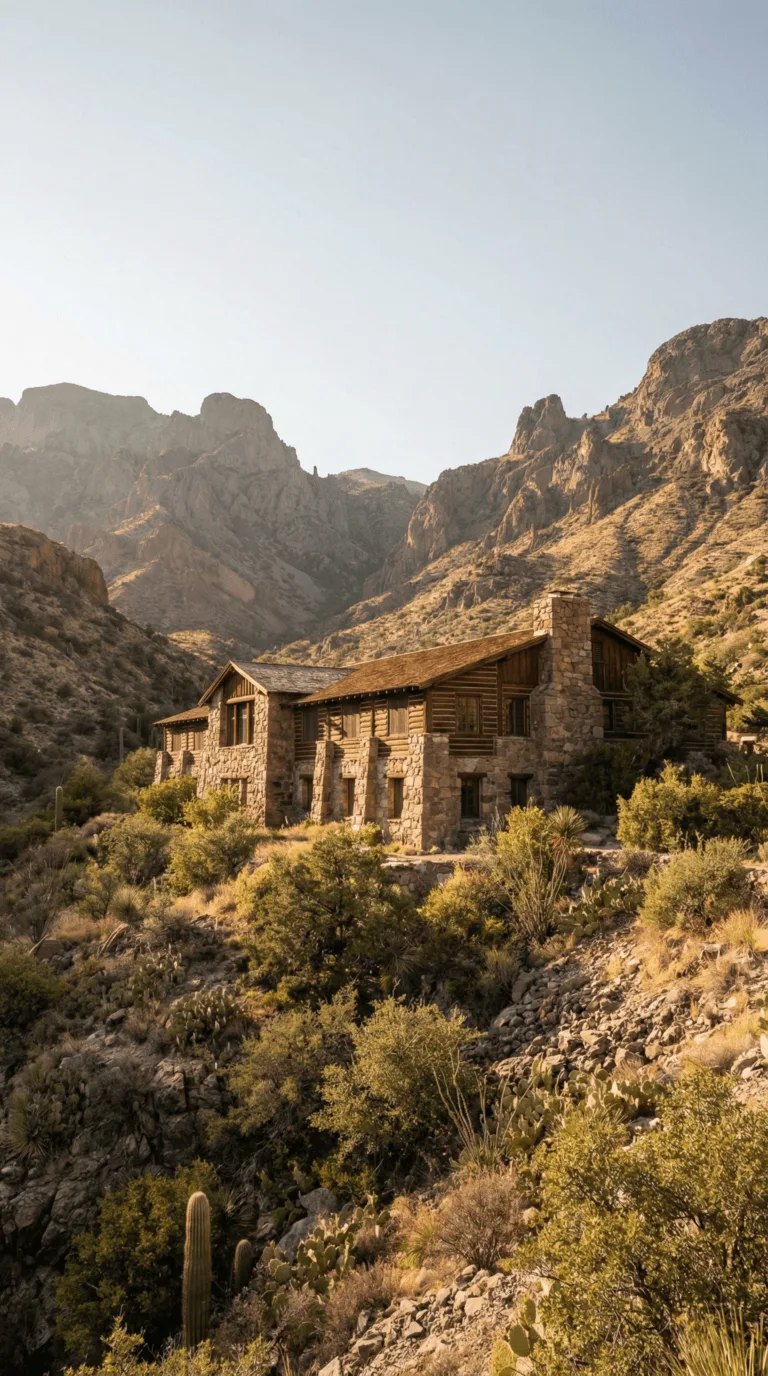
Big Bend National Park offers limited lodging options inside its boundaries, so planning ahead is essential. Chisos Mountains Lodge Official Booking is the only hotel inside the park. Set in the Chisos Basin at 5,400 feet elevation, this historic lodge has 72 rooms and cabins with mountain views. It books up fast, so reserve at least four to six months in advance, especially for the peak season from October through April.
Big Bend National Park camping is the most popular way to stay overnight. The park has three developed campgrounds. Chisos Basin Campground sits at 5,400 feet and offers cooler temperatures and great views, making it the most sought-after site. Rio Grande Village Campground sits near the river and has full RV hookups for Big Bend National Park RV camping. Cottonwood Campground is smaller and more remote. All three require Big Bend National Park camping reservations through Recreation.gov Big Bend Camping, available up to six months in advance. For a true wilderness experience, backcountry camping is allowed with a free permit from the visitor center.
If you prefer staying outside the park, hotels near Big Bend National Park are available in Terlingua, Study Butte, Marathon, and Alpine. These towns offer motels, vacation rentals, and unique options like glamping domes. The Summit at Big Bend and other private properties near the park boundaries also provide Big Bend National Park cabins and alternative lodging. Book early no matter where you stay. This remote corner of Texas fills up quickly during cooler months.
Getting There and Around
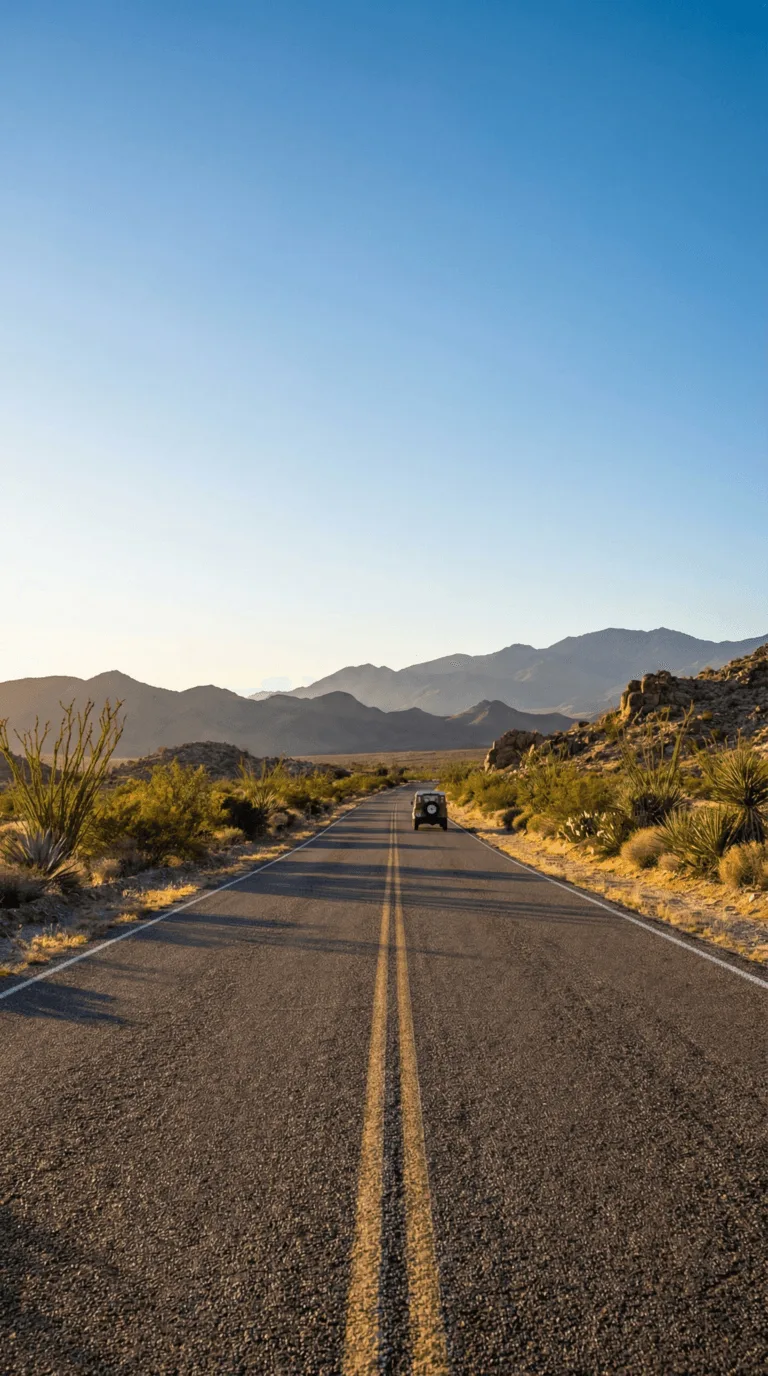
Big Bend sits in one of the most remote corners of Texas. The closest airport to Big Bend National Park is Midland International, 230 miles away (about 3.5 hours of driving). El Paso International Airport is 325 miles northwest (5 hours), and San Antonio International is 410 miles east (6 hours). Flights to Big Bend National Park actually land at these regional hubs. Major cities like Dallas, Houston, and Austin are all 7-8 hours away by car.
You need a vehicle. There’s no bus service, no train, no shuttle. Rent a car at the airport or drive your own. Check Texas Highway Conditions before you go, especially in winter.
Big Bend National Park entrances include three main gates. Persimmon Gap (north entrance) connects via Marathon. The Maverick entrance sits on the east side. The west entrance near Terlingua and Study Butte is the most popular. Alpine is 108 miles from park headquarters. Marathon is 70 miles away. Study Butte sits right outside the west gate.
Download a Big Bend National Park map before you arrive. Cell service barely exists out here. The NPS Big Bend Directions & Transportation page has official maps. Paper versions are free at visitor centers.
Paved roads connect the main areas inside the park. Some trails and viewpoints require high-clearance vehicles on dirt roads. Plan 45 minutes to 2 hours between major sites like Chisos Basin and Rio Grande Village. There are no gas stations inside Big Bend. Fill your tank in Marathon, Alpine, or Study Butte before entering.
Budget and Costs
Planning Tip
Entrance fees at Big Bend cost $30 per vehicle for a seven-day pass, $25 per motorcycle, or $15 per person entering on foot or bicycle. If you plan to visit multiple times or explore other national parks, the $55 Big Bend annual pass or the $80 America the Beautiful pass (covering all national parks nationwide) offer better value. Check the Official National Park Service Big Bend fees and passes page for current rates.
Camping costs $16 per night at developed campgrounds like Chisos Basin and Rio Grande Village. RV sites with hookups run $30 to $40 per night. Backcountry permits cost $10 and allow primitive camping in remote areas. For lodging, rooms at Chisos Mountain Lodge start around $150 to $200 per night. Nearby hotels in Terlingua or Alpine charge $80 to $150.
Budget travelers spending $50 to $80 per day can camp and cook their own meals. Mid-range visitors paying $150 to $250 per day typically stay at the lodge and eat at restaurants. Gas prices run high in this remote region, so fill up before arriving. Bring all food and water to save money, as options inside the park are limited. Guided tours cost $75 to $200 depending on the activity.
Day Trips and Nearby Destinations
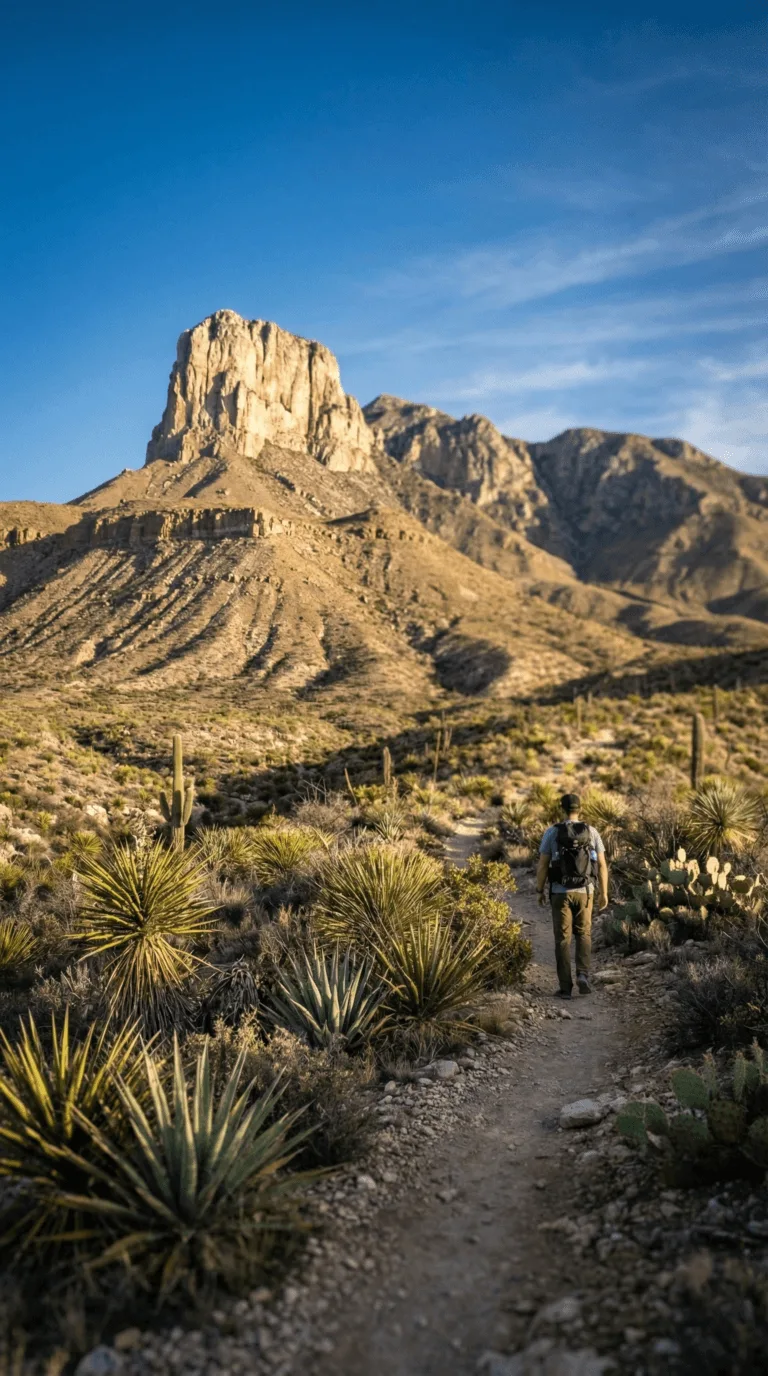
Big Bend sits in one of America’s most remote regions, but several worthwhile destinations lie within a few hours’ drive. The closest is Big Bend Ranch State Park, Texas’s largest state park. It borders Big Bend National Park to the west and offers more rugged hiking, primitive camping, and scenic drives along the Rio Grande. This park sees far fewer visitors than its national park neighbor.
Just outside the park entrance, the ghost town of Terlingua makes an excellent base. This former mining town now hosts restaurants, quirky shops, and the famous Terlingua International Chili Championship each November. Many visitors stay here and drive into the park each day.
About 60 miles north, the art town of Marfa draws visitors, known for its galleries, the Prada Marfa art installation, and the mysterious Marfa Lights. Fort Davis, another mountain town nearby, features a historic fort and the McDonald Observatory, which offers stargazing programs under some of the darkest skies in the continental United States.
For a longer trip, Guadalupe Mountains National Park sits four to five hours northeast. This park protects Texas’s highest peak, Guadalupe Peak, which rises to 8,751 feet. The hiking here ranks among the best in Texas. Palo Duro Canyon, the second-largest canyon system in the United States, lies farther north and makes another excellent addition to a Texas parks road trip. Franklin Mountains State Park in El Paso offers urban wilderness hiking about three and a half hours northwest.
When to Visit and What to Pack
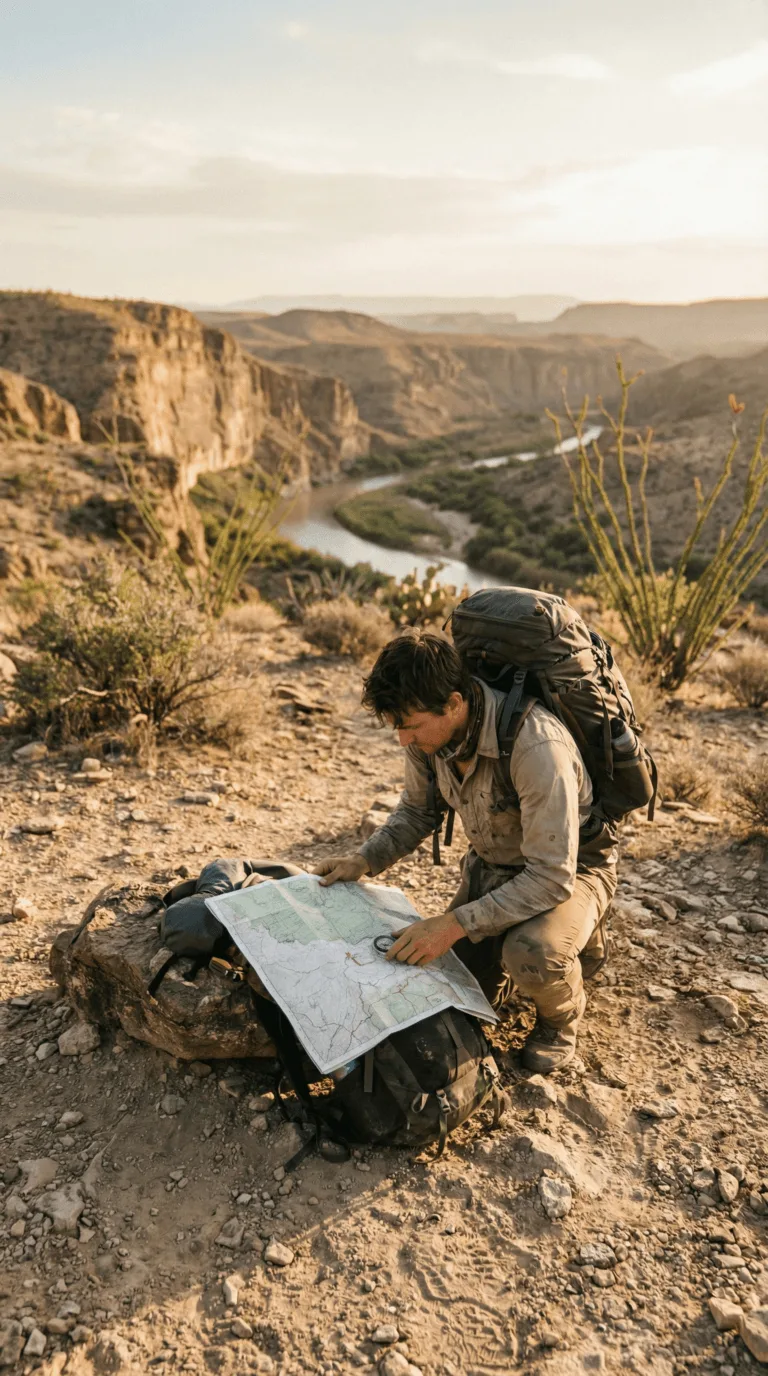
The best time to visit Big Bend is October through April, when temperatures stay comfortable for hiking and exploring. Summer is brutal here. Desert areas regularly hit 110°F or higher. Save yourself the misery and come during cooler months.
Big Bend National Park weather varies dramatically by season and elevation. Desert areas run 20 to 30 degrees hotter than the mountains. Winter months (December through February) bring daytime highs of 40 to 60°F, with cool nights that can drop below freezing in the Chisos Mountains. Check the National Weather Service forecast for Big Bend National Park area before you go.
Spring (March through May) is peak season for good reason. Temperatures range from 70 to 85°F, and wildflowers blanket the desert after winter rains. Big Bend National Park weather November through early March offers excellent conditions with fewer crowds. November sees comfortable 60 to 75°F days, perfect for long hikes.
Pack smart for this remote park. Bring a wide-brimmed hat, sunscreen, and sunglasses. Layer your clothing because temperatures swing wildly between day and night. Sturdy hiking boots are non-negotiable on rocky trails. A headlamp helps with stargazing and early morning starts. The Chihuahuan Desert’s extreme heat, freezing mountain nights, and 200+ miles of trail demand the full hiking “ten essentials” — so review a comprehensive Big Bend hiking gear list before you head out.
Water is critical. Bring at least one gallon per person per day. The park has limited water sources, and you can’t count on finding any on trails. Pack a first aid kit, offline maps or GPS, extra food, and a car emergency kit. Cell service is spotty to nonexistent, so download what you need beforehand. For detailed planning tips, visit Plan Your Visit, Big Bend National Park.
Bring binoculars for wildlife watching and a good camera for the landscapes. If you plan to camp, pack all your gear. The nearest town with full services is over an hour away. Bring cash, too. ATMs are scarce out here.
Frequently Asked Questions
Are there grizzly bears in Big Bend?
No. There are no grizzly bears in Big Bend National Park. The park is home to black bears, which recolonized the Chisos Mountains naturally from Mexico in the 1980s, along with mountain lions and javelinas. Black bear sightings are uncommon and attacks are extremely rare — store food in the provided bear boxes and keep your distance if you spot one.
What town should I stay in when visiting Big Bend National Park?
For in-park lodging, book Chisos Mountain Lodge, the only hotel inside the park, or camp at one of three developed campgrounds. Outside the park, Terlingua and Study Butte offer the closest accommodations with hotels, vacation rentals, and RV parks. Alpine provides the most services and lodging options but requires a 1.5 to 2 hour drive to reach the park. Marathon is a quieter option with limited but charming accommodations, about 1 hour from the north entrance.
How many days do you need to see Big Bend National Park?
Plan a minimum of 2 to 3 days to see major highlights like Chisos Basin, Santa Elena Canyon, Ross Maxwell Scenic Drive, and a few hikes. An ideal visit is 4 to 5 days to explore multiple hiking trails, scenic drives, and experience both mountain and river areas. Week-long trips allow for backcountry camping, extensive hiking, and day trips to Big Bend Ranch State Park. The park covers over 800,000 acres, so more time allows deeper exploration of this vast wilderness.
Can you just drive through Big Bend National Park?
Yes. Big Bend’s paved scenic routes — the Ross Maxwell Scenic Drive, the road up to Chisos Basin, and the route to Rio Grande Village — let you see major overlooks, the Chisos Mountains, and Santa Elena Canyon by car. You’ll still need the $30 per-vehicle entrance pass, and short walks from the pullouts reach the best viewpoints like Santa Elena Canyon and the hot springs.
What is the best time of year to visit Big Bend?
October through April offers the best weather with mild temperatures (60 to 80°F) and comfortable hiking conditions. March and April are peak season with wildflowers but also the most crowded, so book accommodations far in advance. November through February provides solitude and pleasant days, though nights can be cold (freezing in the mountains). Avoid summer (May through September) when desert temperatures regularly exceed 110°F, making hiking dangerous during midday.